Texas-based supplier of research peptides in vials, sprays, capsules, topicals and kits; COAs from a US ISO 17025 accredited third-party lab, focused on identity and content for finished formats.
Kisspeptin-10 is the shortest active form of kisspeptin, a hormone made from the KISS1 gene that switches on the brain's reproductive hormone axis. It acts on the kisspeptin receptor (KISS1R) to trigger GnRH release, which in turn raises LH and FSH.
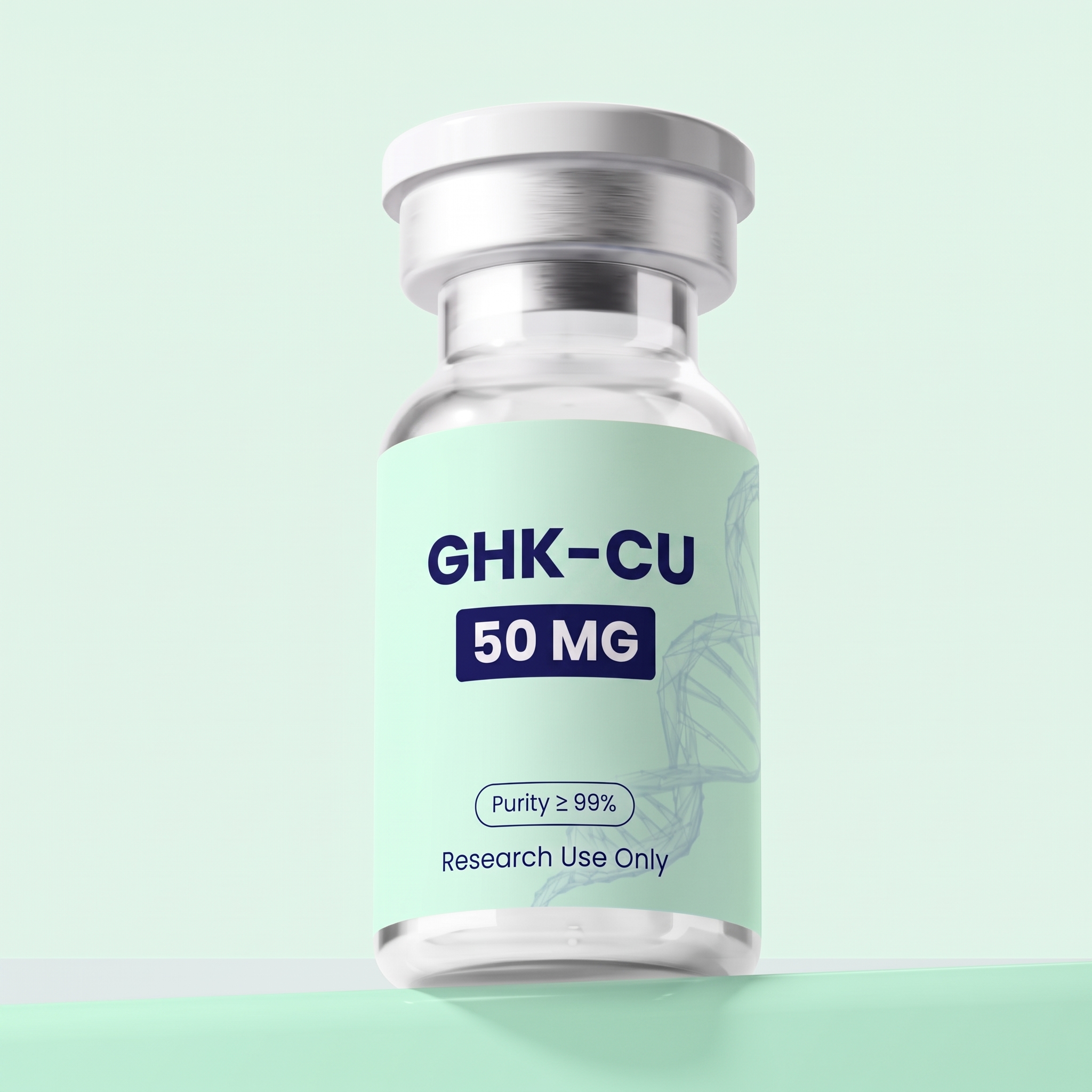
If you've ever seen a blue-tinted skincare serum, you've already met GHK-Cu. It's a copper-carrying tripeptide that was first pulled out of human blood plasma back in 1973, and it's been sitting in cosmetics for decades. What's newer is its life as a research peptide: vials of it, and blends like Glow and Klow that put it alongside BPC-157 and TB-500 . I'll say upfront that GHK-Cu is a bit unusual in this catalog. It has a long research history, and the skin-care version is a mainstream cosmetic ingredient. But no GHK-Cu drug is approved by the FDA, and the injectable side is much less studied than the creams. On Peptide Grading , we line up the research-labeled listings, with vendors, sizes, price per mg, and COAs , so you can see the differences. A listing isn't a recommendation to use it.
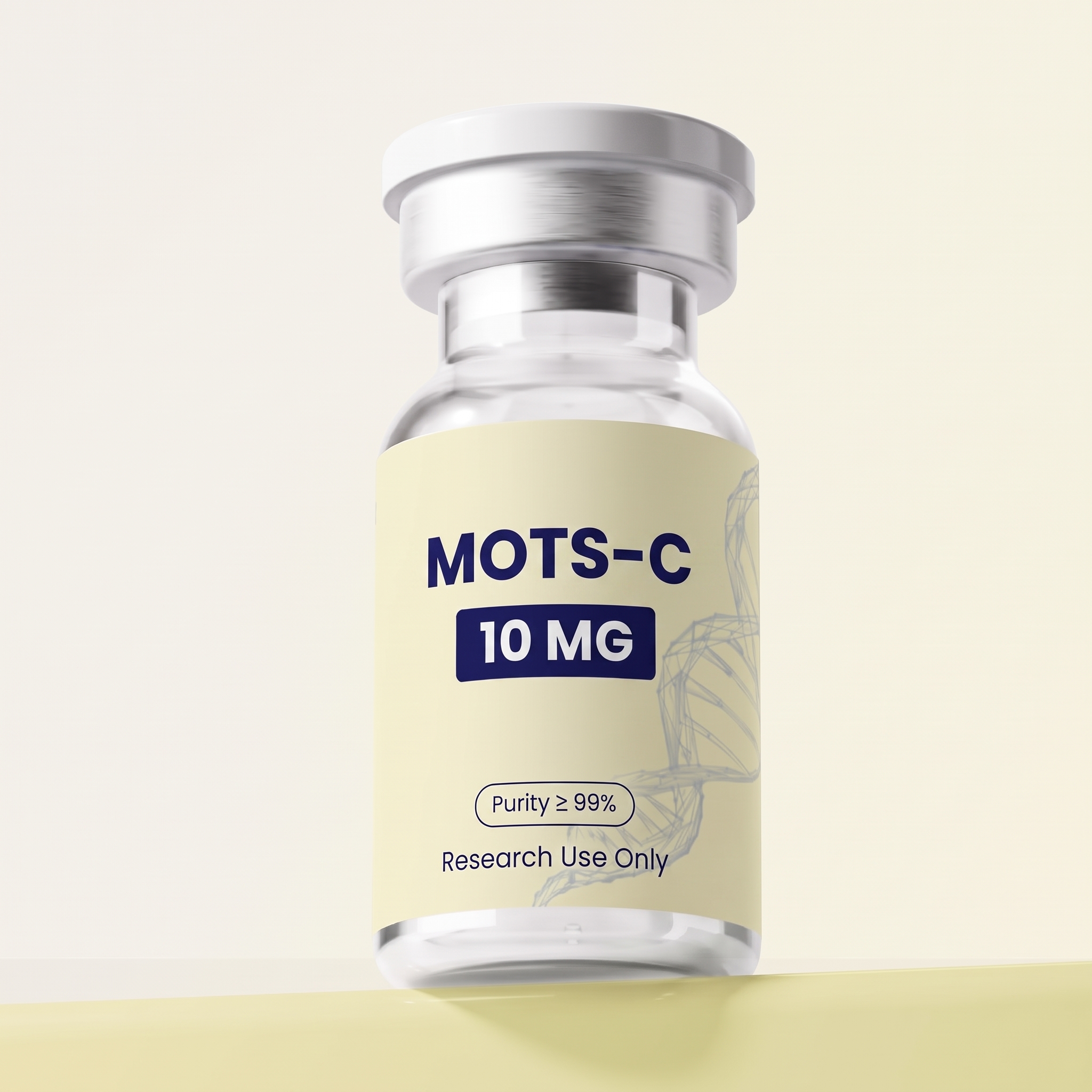
MOTS-c is a 16-amino-acid mitochondrial-derived peptide encoded by a short open reading frame in the mitochondrial 12S rRNA region. Peptide Grading tracks MOTS-c vendors, quantities, prices, shipping details, and COA information to make research-product listings easier to compare.
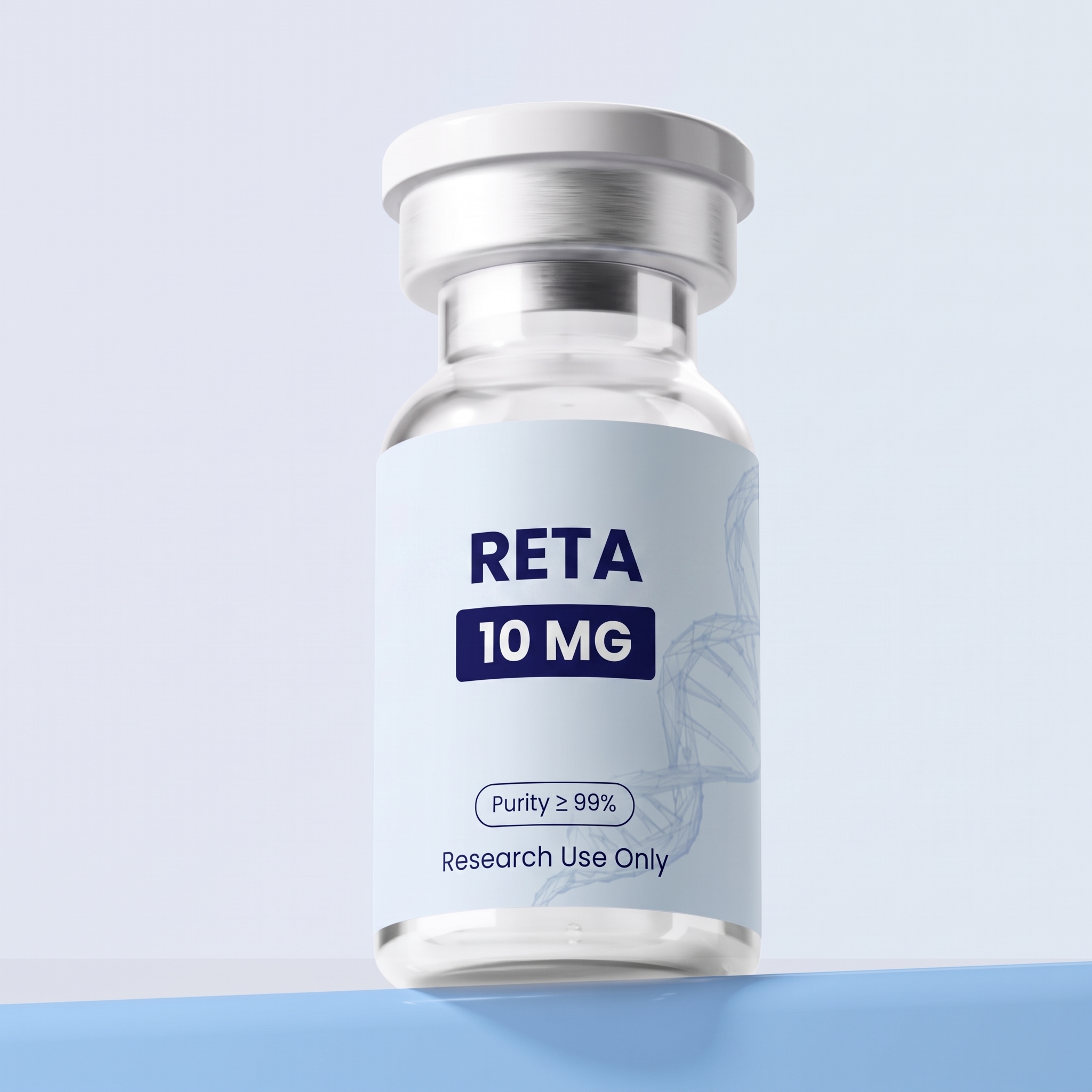
Retatrutide is an experimental once-weekly injection from Eli Lilly (internal code LY3437943). It's a single molecule that activates three receptors: GIP, GLP-1, and glucagon. Tirzepatide covers the first two, and retatrutide adds the third. It isn't approved anywhere, for anything. Lilly has said it plans to file with the FDA in the first quarter of 2027. On Peptide Grading , we list the research-labeled vials with sizes, price per mg, and COAs side by side. Being listed there isn't an endorsement, and those vials aren't Lilly's product.
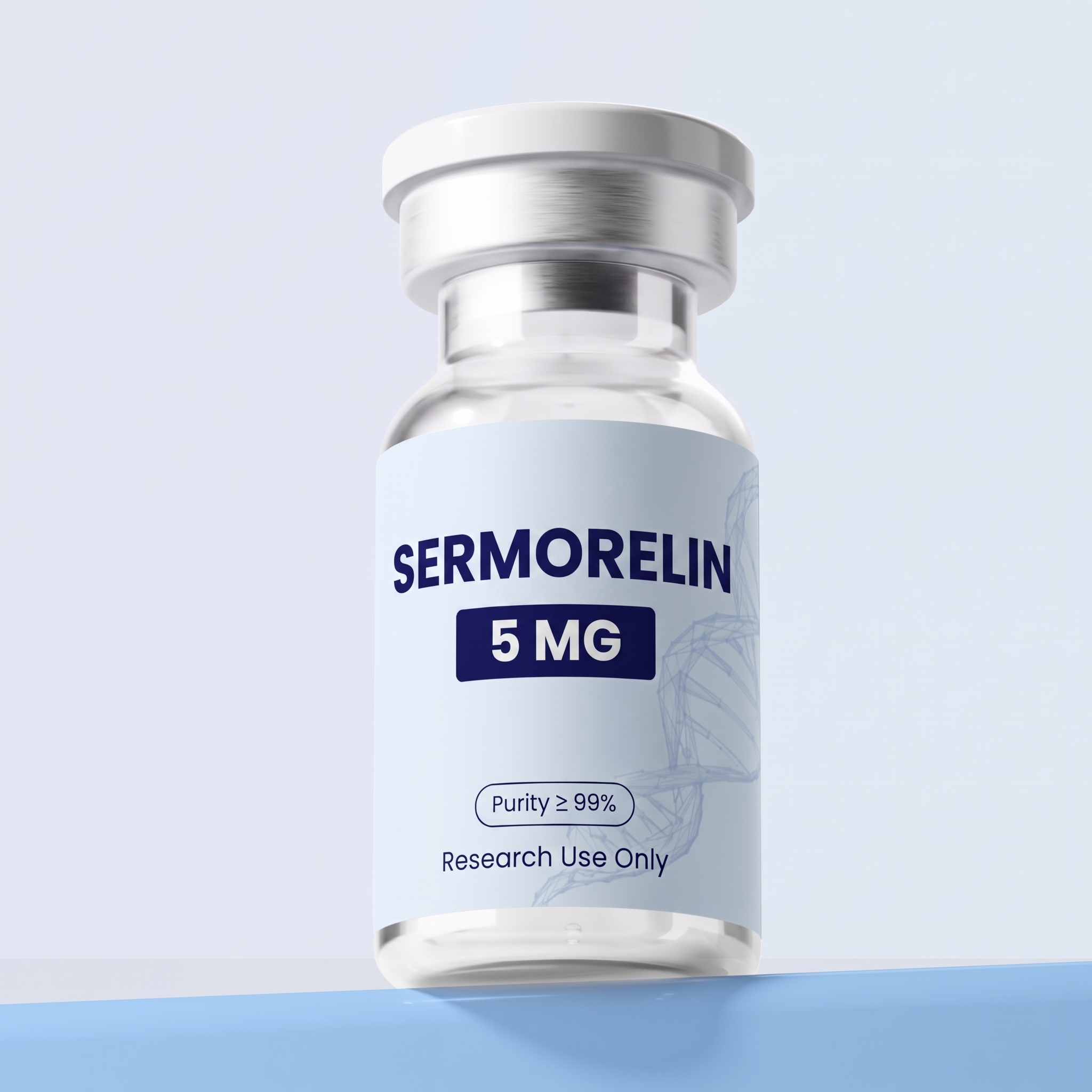
Sermorelin is the amidated 1–29 fragment of human growth hormone-releasing hormone (GHRH), with the peptide sequence YADAIFTNSYRKVLGQLSARKLLQDIMSR-NH₂. It has been studied extensively in human endocrine research, particularly for growth hormone (GH) release, pituitary responsiveness, dose-related responses, feedback mechanisms, and factors that influence GHRH-stimulated GH secretion. Peptide Grading compares current Sermorelin listings by supplier, quantity, specifications, COA availability, shipping, and price per mg.
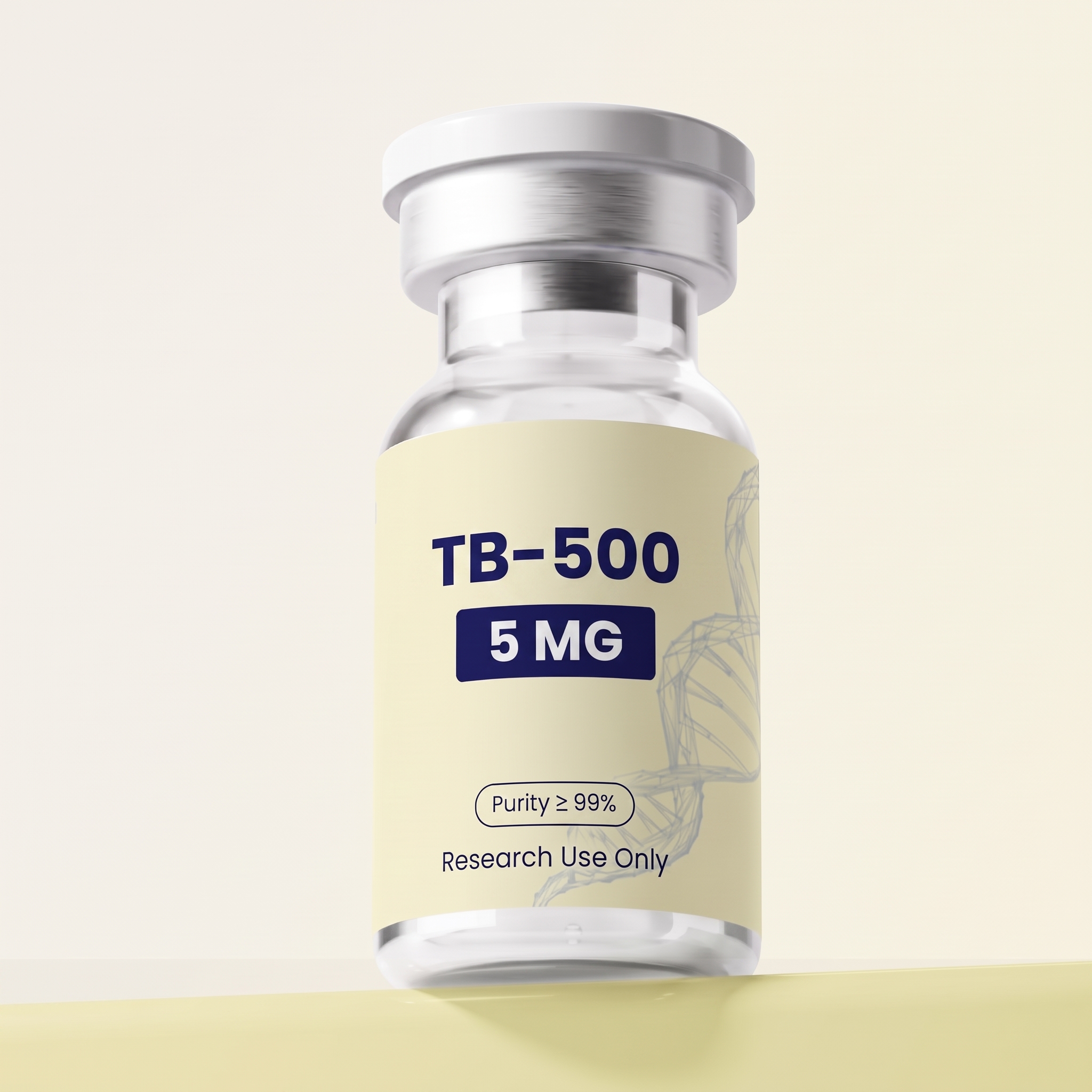
TB-500 is a synthetic peptide commonly identified as the N-terminal acetylated LKKTETQ fragment of thymosin beta-4. Research has focused on its molecular relationship to actin, cell migration, angiogenesis, and other cellular response pathways. Peptide Grading check TB-500 listings, pricing, vendor information, and COA details
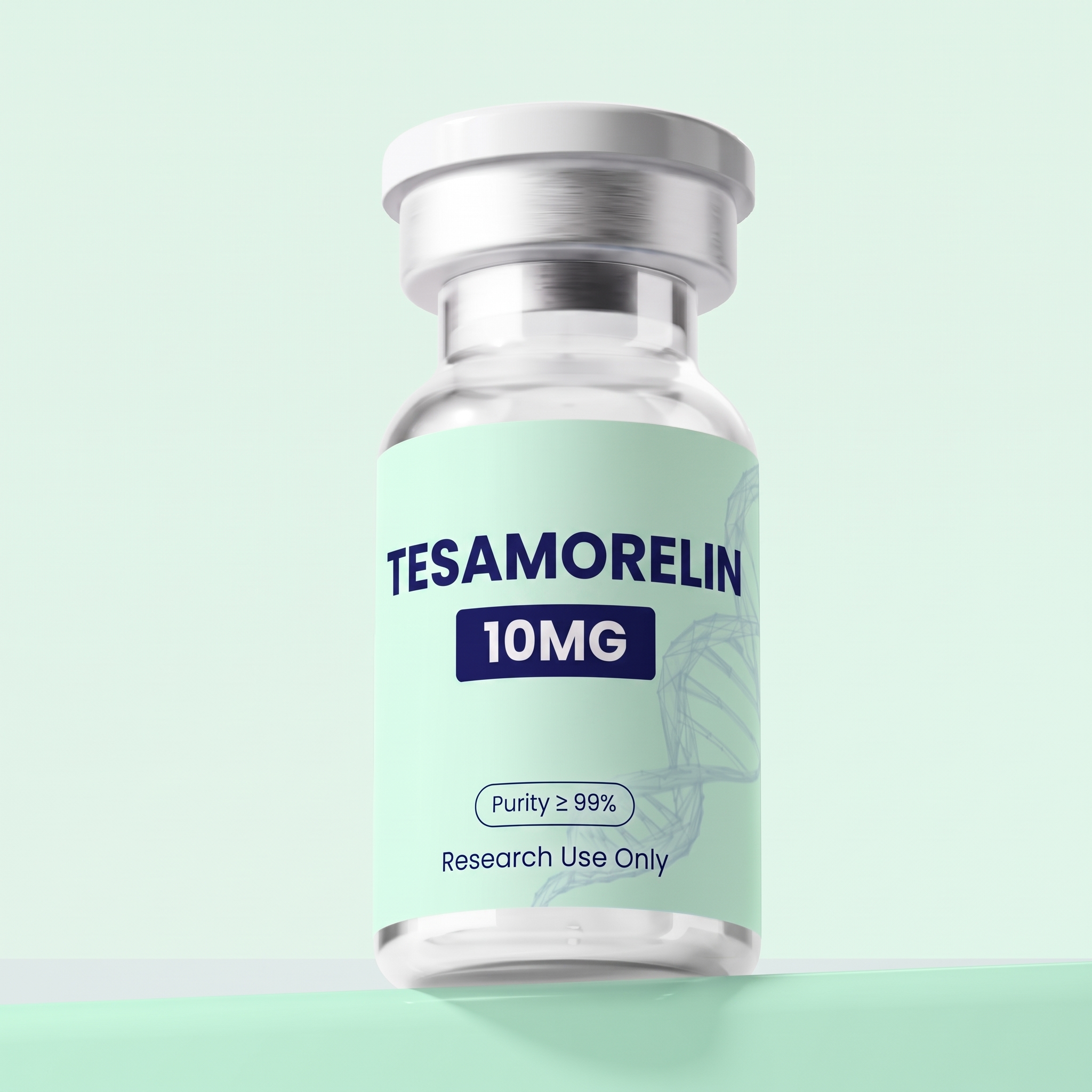
Tesamorelin is a synthetic 44-amino-acid analogue of human growth hormone-releasing factor (GRF). The peptide carries an N-terminal hexenoyl group, a structural change that distinguishes it from native GRF while retaining activity at the GRF receptor. Tesamorelin has been studied extensively in human endocrine research, particularly in work involving growth hormone release and IGF-1 response. Peptide Grading compares current listings by supplier, quantity, stated specifications, COA availability, shipping, and price per mg.
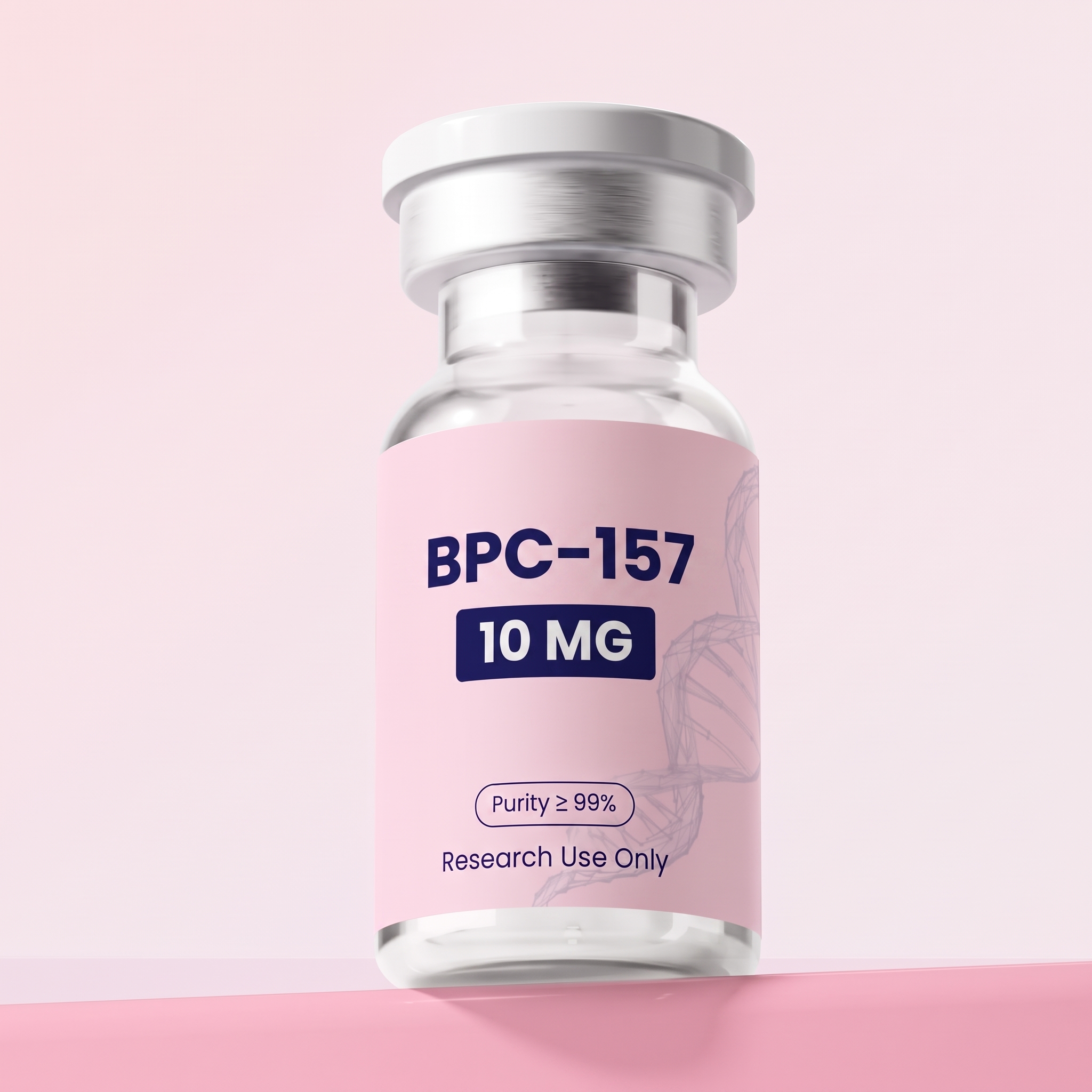
BPC-157 is a 15-amino-acid peptide first described from gastric juice. Most of the published work is preclinical, with studies covering tendon, muscle, gastrointestinal, vascular, and other injury models. Researchers have looked at several signaling pathways, including VEGFR2, nitric oxide, Akt-eNOS, and ERK1/2 . Other work has focused on angiogenesis, fibroblast activity, endothelial responses, and inflammation. Human data are still sparse. Small studies have looked at knee pain, interstitial cystitis, and intravenous safety and pharmacokinetics , but the number of human studies remains small and larger controlled trials are not available.
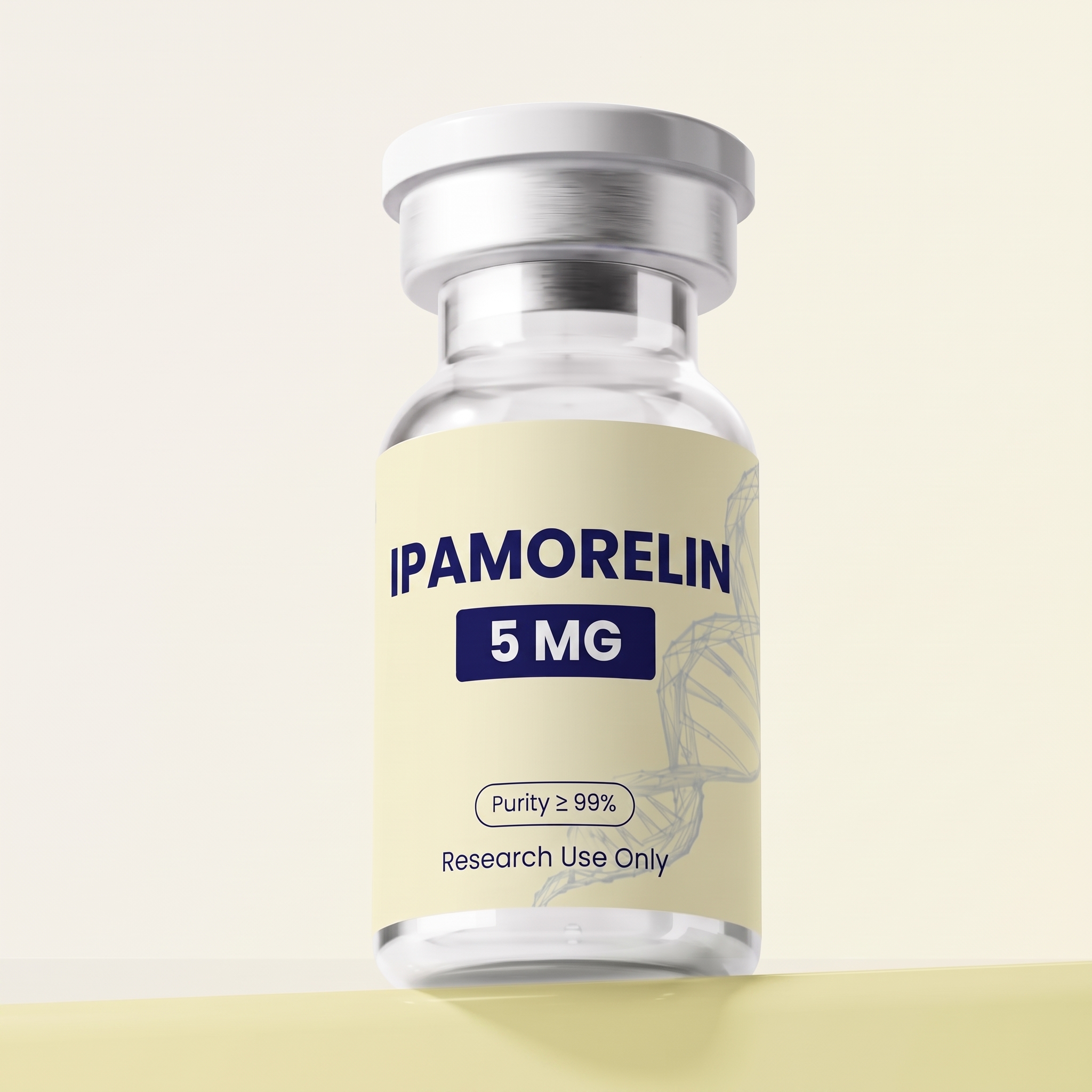
Ipamorelin is a five-amino-acid peptide that switches on the ghrelin receptor and makes the pituitary release growth hormone. Novo Nordisk researchers built it in the 1990s, and what made it interesting was how narrow its effect looked. Older compounds in the same family pushed up other hormones too. Ipamorelin mostly didn't. It has no approved use anywhere. A Phase 2 trial in the early 2000s tried it for a bowel problem after surgery, and it didn't work well enough to continue. So what's left is mostly lab and animal data, and the research-labeled vials that vendors sell. On Peptide Grading , we list those vials with vendors, sizes, price per mg, and COA documents in one place, so you can compare them without hunting through tabs.
Do not buy anything from this company. They are not reputable and have zero customer service! Buying beware!
Rick Carpenter-Kingi · US · Sep 15, 2026
Non existent Customer Service and low potency products
Their products are not as potent as other brands and manufacturers and their customer service is literally non existent, they charged my credit card a $8.95 subscription fee 3+ months after i ordered $700 worth of peptides not on a subscription, emailed multiple times with no response and when you call their "Customer Service" phone number it gives an automated voicemail message saying the voicemail box is full and can't receive new messages, pathetic and terrible company!
William · US · Jul 14, 2026
Fake Product
Fake Product. Do not buy. When I reconstituted my Sermorelin it turned to jelly. I sent them picks and they did not care or remove the bad product from their Site.
oscar woody · US · Jul 8, 2026
Bad Customer Service
I am requesting that my order be canceled immediately. I have emailed multiple times and have not received any response. If the item has already shipped, please provide a return label and return instructions. I will not be using this item.
AYACO · US · Jun 18, 2026
Pure Bio Labs has been great to order…
Pure Bio Labs has been great to order from. The site is easy to use, shipping was quick, and everything arrived well packaged. I really appreciate the product quality and the professional experience from start to finish. Highly recommend.
Timothy Mansfield · US · Jun 11, 2026
I ordered pt141 from pure bio labs and…
I ordered pt141 from pure bio labs and another company to test . Pure bio labs had 0 affect what so ever. Called customer service only to be told that’s tough but we can’t help you. The other company product was top notch. I would go elsewhere from pure bio labs
Michael tallent · US · May 30, 2026
Reviews of Pure Bio Labs from Trustpilot, imported Nov 9, 2026.
Ready to order from Pure Bio Labs?
Compare prices above, then shop on the vendor's site.
 Peptide Grading