 Peptide Grading
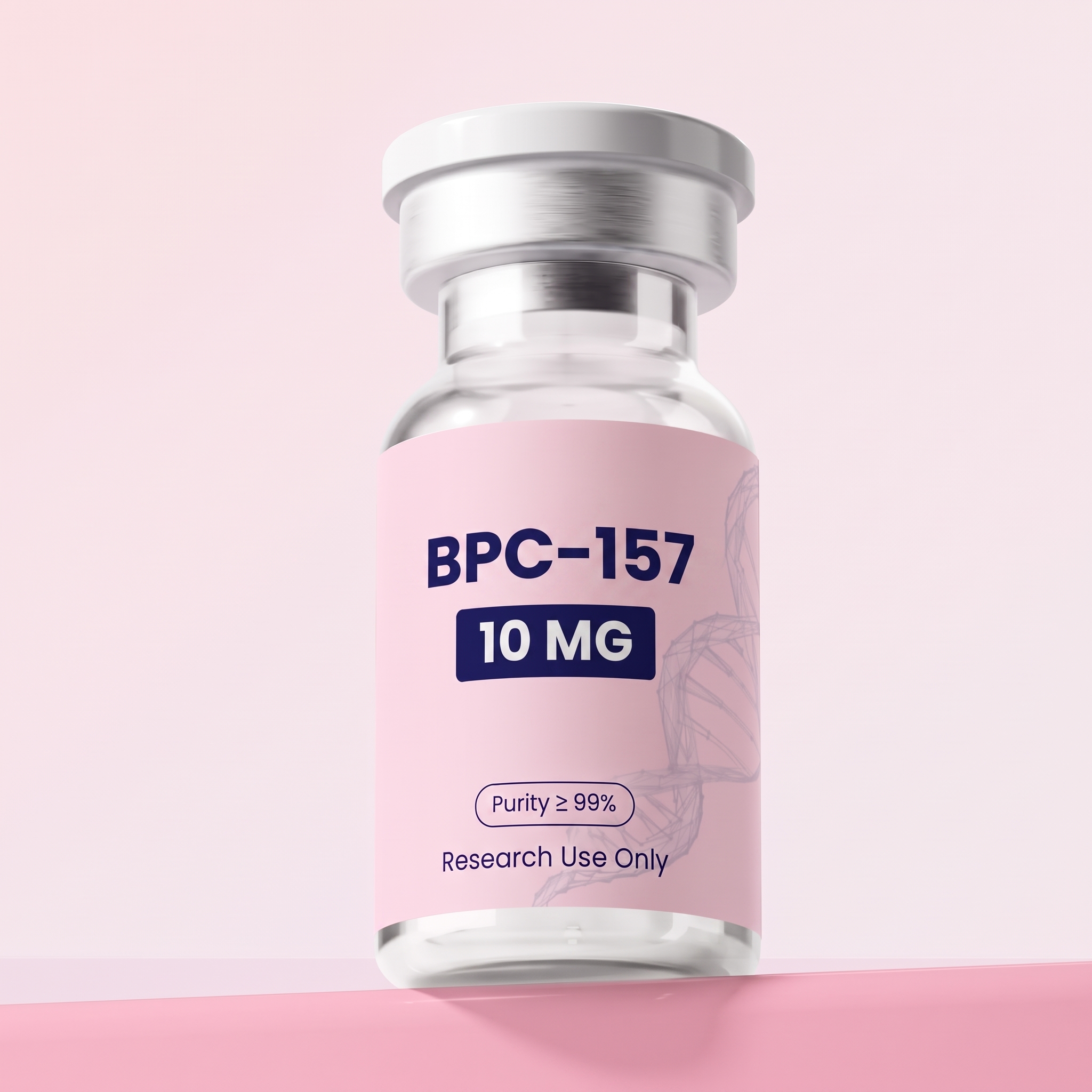
Research peptide
BPC-157
From
$12.41
Vendors
22
Lab tested
19 COAs
Key benefits
- Faster tendon healing in rats
- Protects the gut lining in animals
- Supports new blood vessel growth
- Early human pain relief reports
BPC-157 is a 15-amino-acid peptide first described from gastric juice. Most of the published work is preclinical, with studies covering tendon, muscle, gastrointestinal, vascular, and other injury models.
Researchers have looked at several signaling pathways, including VEGFR2, nitric oxide, Akt-eNOS, and ERK1/2. Other work has focused on angiogenesis, fibroblast activity, endothelial responses, and inflammation.
Human data are still sparse. Small studies have looked at knee pain, interstitial cystitis, and intravenous safety and pharmacokinetics, but the number of human studies remains small and larger controlled trials are not available.
Typical dose
250-500mcg
Once or twice daily
Route
Subcutaneous
Can be administered once or twice daily. For localized injury, inject near the site. For systemic effects, subcutaneous abdomen injection is common.
Cycle
4–8 weeks
Typical duration
Storage
2-6°C
Follow vendor guidance
Marketplace
Compare all BPC-157 vendors
Prices per size, coupon codes, lab reports and shipping.
| Vendor | Price | Coupon | Lab test | Shipping | |
|---|---|---|---|---|---|
Reta One Labs 10 mg | $12.41$22.00 Lowest price−43.6%$1.24/mg | Not on file | 2 days
| Buy | |
Certa Peptides 2 mg | $19.99 $9.99/mg | 1 COA | 1–4 days
| Buy | |
Bionova Peptides 10 mg | $20.00$39.99 −50%$2.00/mg | 1 COA | 1–3 days
| Buy | |
Amino Club 10 mg | $25.99$39.99 −35%$2.60/mg | 1 COA | 1–4 days
| Buy | |
Biologix Labs 5 mg | $27.99 $5.60/mg | Not on file | 2 Days
| Buy | |
idunpeptides 10 mg | $27.99 $2.80/mg | 1 COA | 3–7 days
| Buy | |
 PepVida Labs 10 mg | $29.95$64.00 −53.2%$3.00/mg | Not on file | 1-3 days
| Buy | |
HLX LABS 5 mg | $29.99$39.99 −25%$6.00/mg | 1 COA | 2–5 days
| Buy |
 United States
 Switzerland, United Kingdom +29
What is BPC-157?
BPC-157 is a 15-amino-acid-long peptide, also known as a pentadecapeptide. Its amino acid sequence is: Gly-Glu-Pro-Pro-Pro-Gly-Lys-Pro-Ala-Asp-Asp-Ala-Gly-Leu-Val The peptide is often the subject of conversations, as experimental investigations have explored it across multiple tissue and injury types.
BPC-157
Compound
BPC-157
What Is BPC-157 Used For?
BPC-157 has been primarily explored in preclinical tissue-repair models, such as tendon, ligament, muscle, GI, and vascular injury. Inflammatory responses, blood-vessel signaling, oxidative stress, and ischemia-reperfusion injury have also been investigated.
Evidence continues to be largely animal-based, with a lack of human clinical data to establish treatment efficacy.
BPC-157 vs TB-500
BPC-157 and [TB-500](/peptides/tb-500) are both investigated in tissue-repair research, but they represent different peptide systems.
| Compound | Main structural feature | Length | Key distinction |
|---|---|---|---|
| Peptide origin | Synthetic pentadecapeptide | Thymosin β4-derived fragment | |
| Length | 15 amino acids | 7 amino acids | |
| Research focus | Tissue, vascular and gastrointestinal models | Wound healing, angiogenesis and tissue repair | |
| Evidence base | Predominantly preclinical | Predominantly preclinical | |
| Human evidence | Limited | Limited |
BPC-157 Safety and Regulatory Status
BPC-157 is an investigational peptide and is not FDA-approved. The FDA has reported limited safety information and raised concerns involving immunogenicity, peptide-related impurities and API characterization.
Current research therefore does not establish a well-characterized human safety profile or support routine clinical use.
WADA Status of BPC-157
BPC-157 is not currently listed as a prohibited substance by WADA, although it was temporarily prohibited in 2022.
Research reference note
Compare BPC-157 Research Materials
[Peptide Grading](#vendor-listings) helps compare BPC-157 suppliers, quantities, [COAs](/coas), specifications, shipping details, and price per mg in one place.
FAQ
Frequently asked questions.
BPC-157 is described in the literature as a peptide associated with gastric tissue and gastric juice.