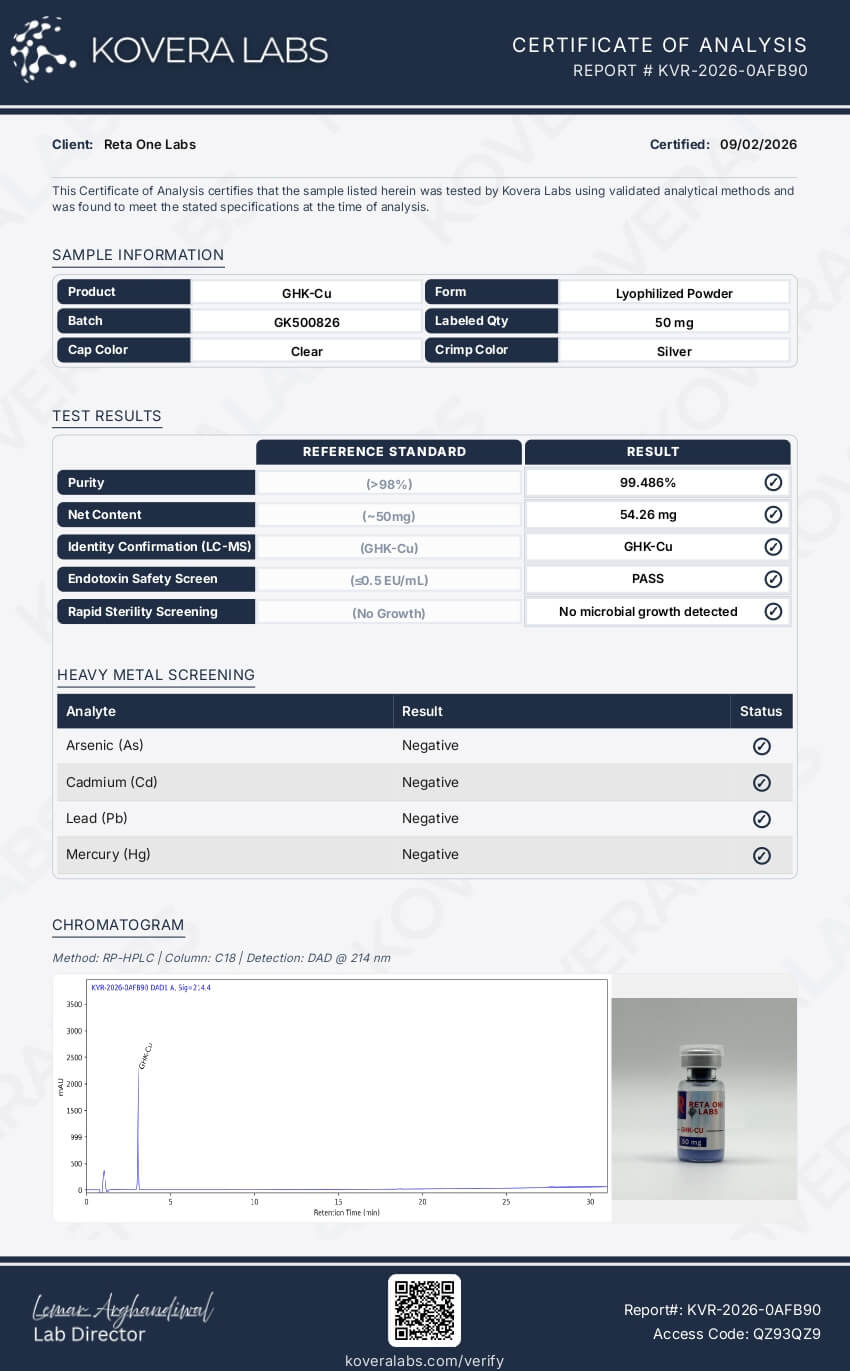
Reta One Labs is a Cypress, Texas research peptide vendor that publishes batch-specific COAs and uses five point testing for purity, quantity, endotoxins, sterility, and heavy metals.
Peptide Grading tracks its current prices, product, COAs, and vendor information so you can easily get the product infromation.
9 live listings from $12.41 – $79.00 · 5% off with code PEPGRADING
Discounted only
GHK-Cu
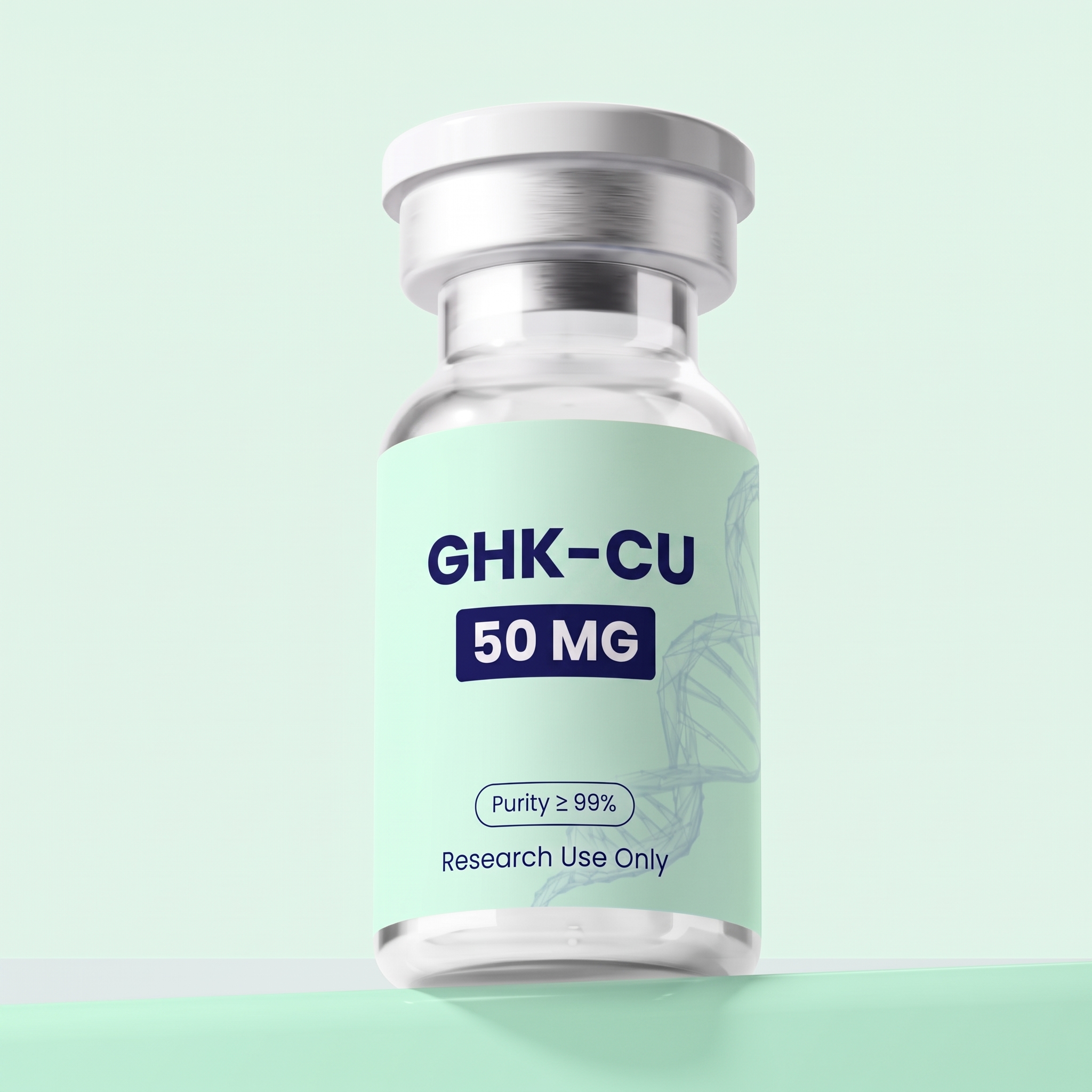
If you've ever seen a blue-tinted skincare serum, you've already met GHK-Cu. It's a copper-carrying tripeptide that was first pulled out of human blood plasma back in 1973, and it's been sitting in cosmetics for decades. What's newer is its life as a research peptide: vials of it, and blends like Glow and Klow that put it alongside BPC-157 and TB-500 . I'll say upfront that GHK-Cu is a bit unusual in this catalog. It has a long research history, and the skin-care version is a mainstream cosmetic ingredient. But no GHK-Cu drug is approved by the FDA, and the injectable side is much less studied than the creams. On Peptide Grading , we line up the research-labeled listings, with vendors, sizes, price per mg, and COAs , so you can see the differences. A listing isn't a recommendation to use it.
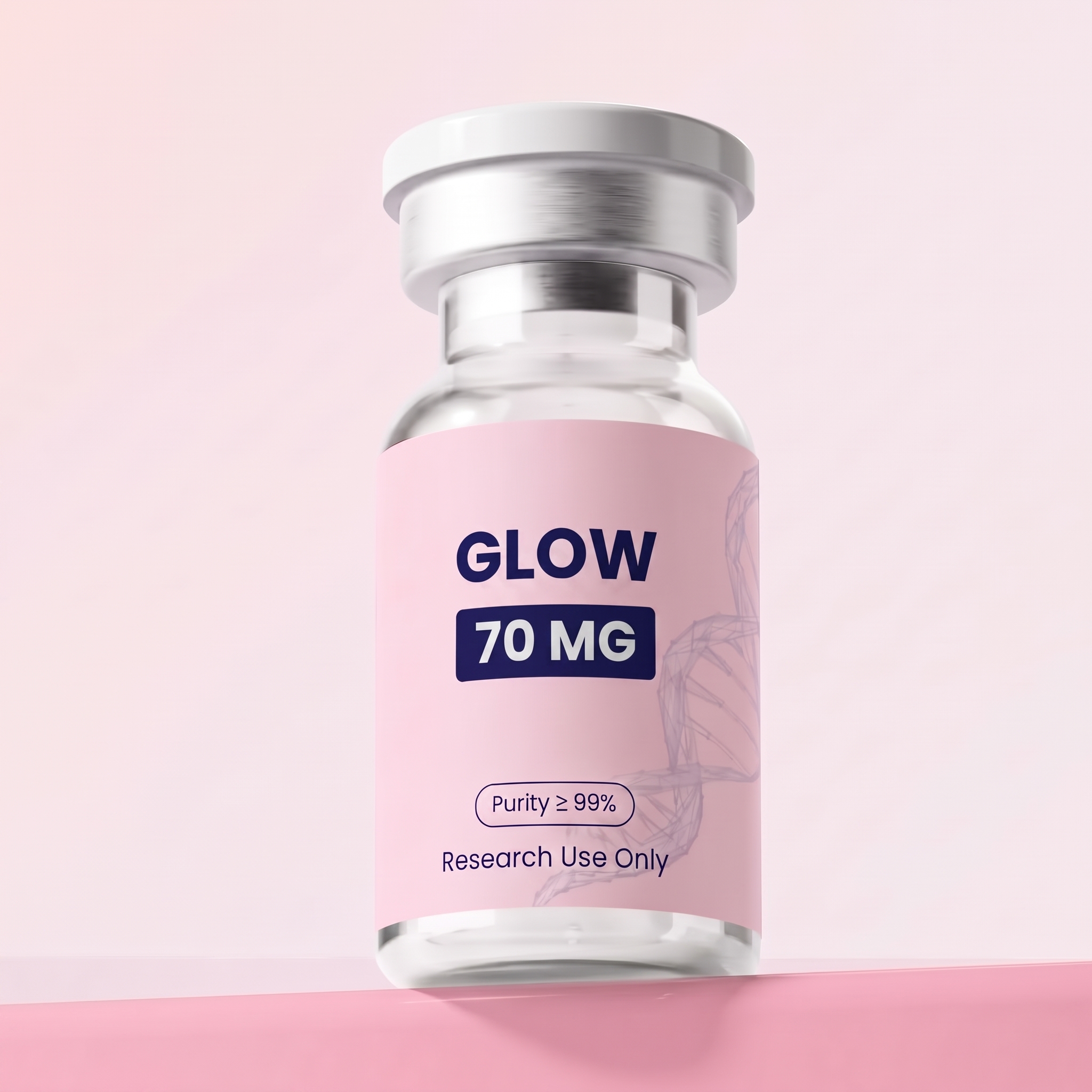
Ask five vendors what's in GLOW and you'll mostly get the same answer: GHK-Cu , BPC-157 and TB-500 in one vial. That's the whole formula. The name is a marketing label, not a pharmacological category, and the pitch is simple: a skin peptide plus two repair peptides, sold as a two-in-one. We pull GLOW listings from different vendors into one place, with vial size, price, shipping and COA links.
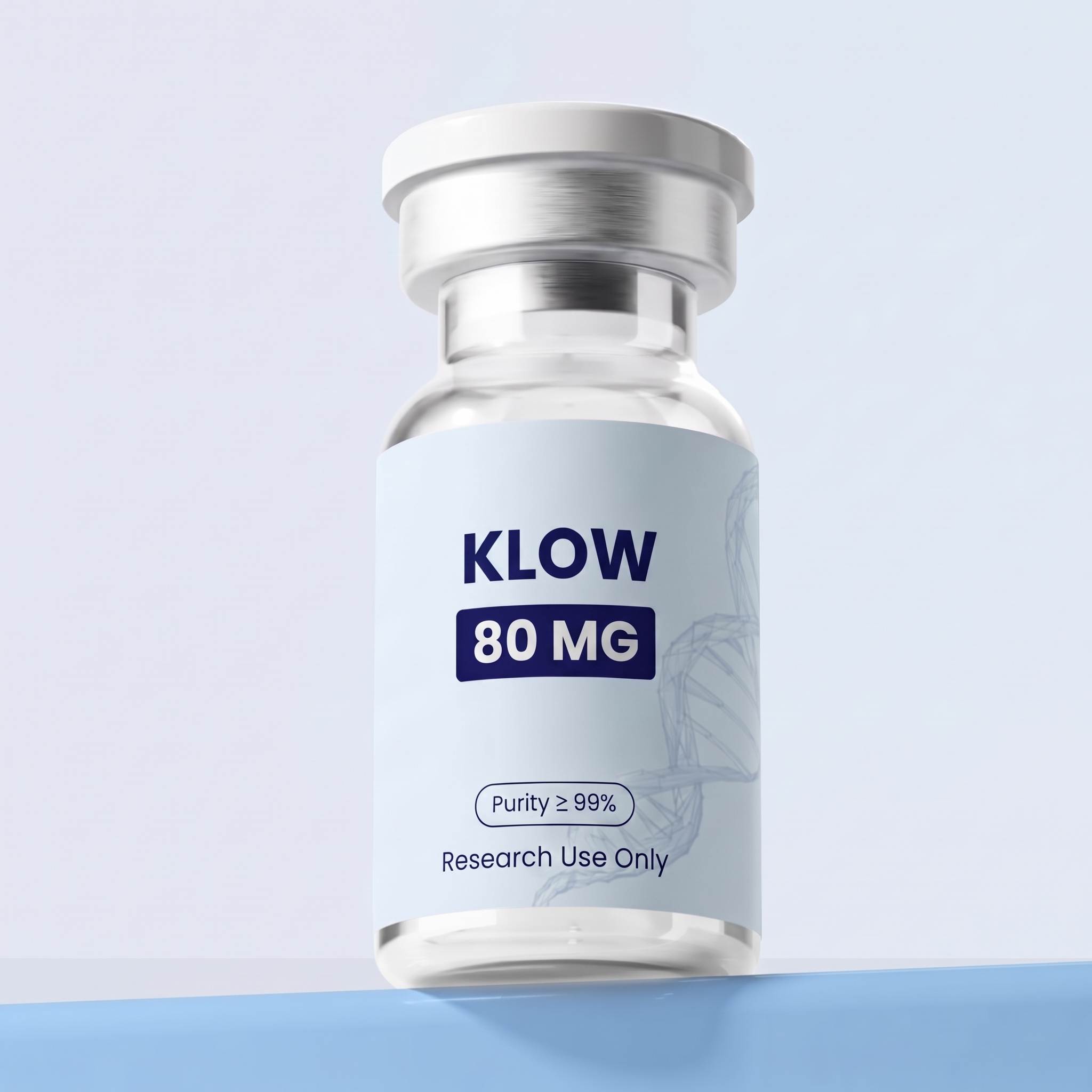
Klow Stack is Glow plus KPV: four peptides ( GHK-Cu , BPC-157 , TB-500 , KPV) in one vial. Each one is researched for a different job, from tissue remodeling to inflammation. The catch is that the research is on the peptides individually, mostly in animals. Nobody has published results on the blend itself. Klow packs them into a single product instead of four separate vials. On Peptide Grading , we track Klow Stack listings in one place: vendors, vial sizes, price per mg, shipping details, and certificate of analysis (COA) documents, so you don't need ten tabs open to compare them.
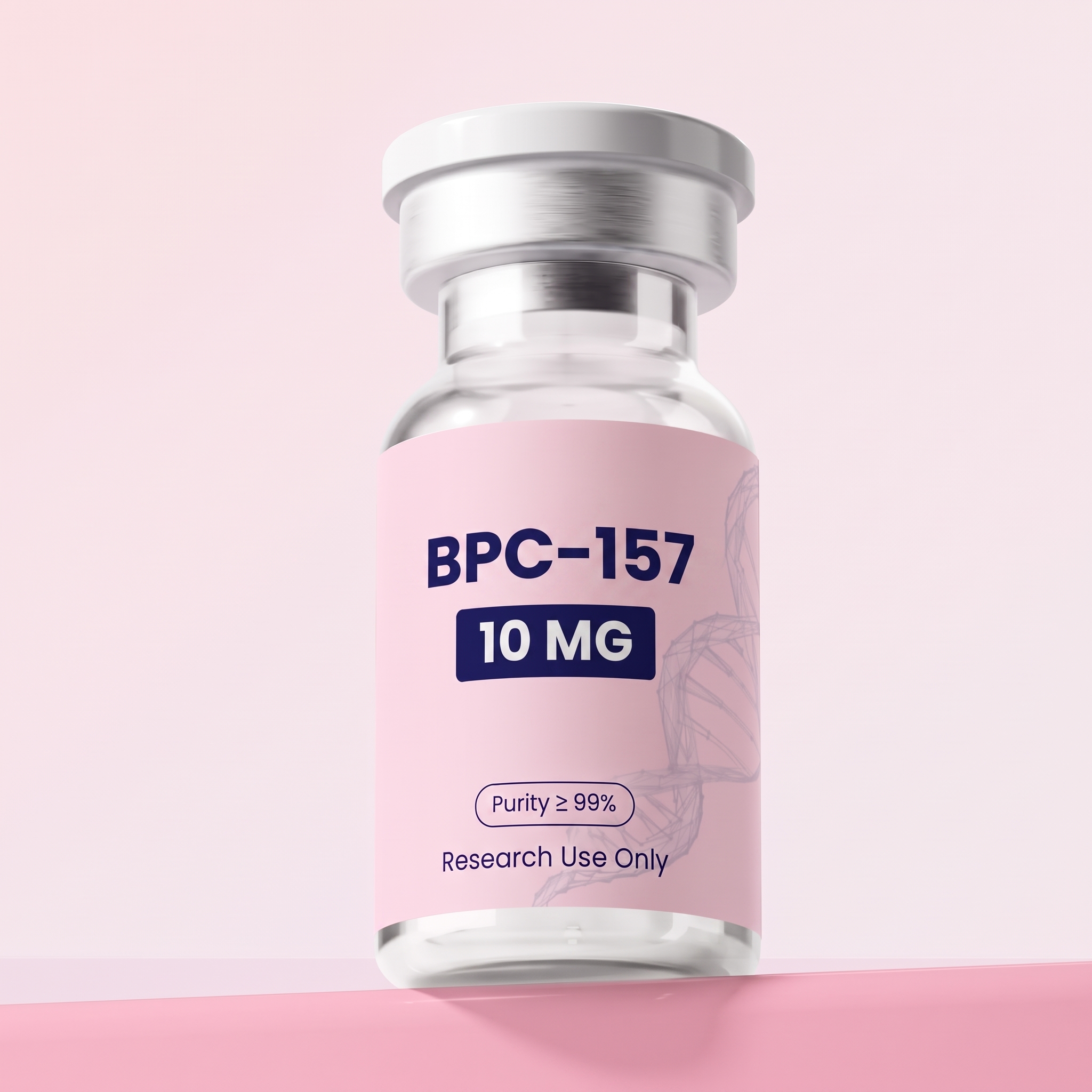
BPC-157 is a 15-amino-acid peptide first described from gastric juice. Most of the published work is preclinical, with studies covering tendon, muscle, gastrointestinal, vascular, and other injury models. Researchers have looked at several signaling pathways, including VEGFR2, nitric oxide, Akt-eNOS, and ERK1/2 . Other work has focused on angiogenesis, fibroblast activity, endothelial responses, and inflammation. Human data are still sparse. Small studies have looked at knee pain, interstitial cystitis, and intravenous safety and pharmacokinetics , but the number of human studies remains small and larger controlled trials are not available.
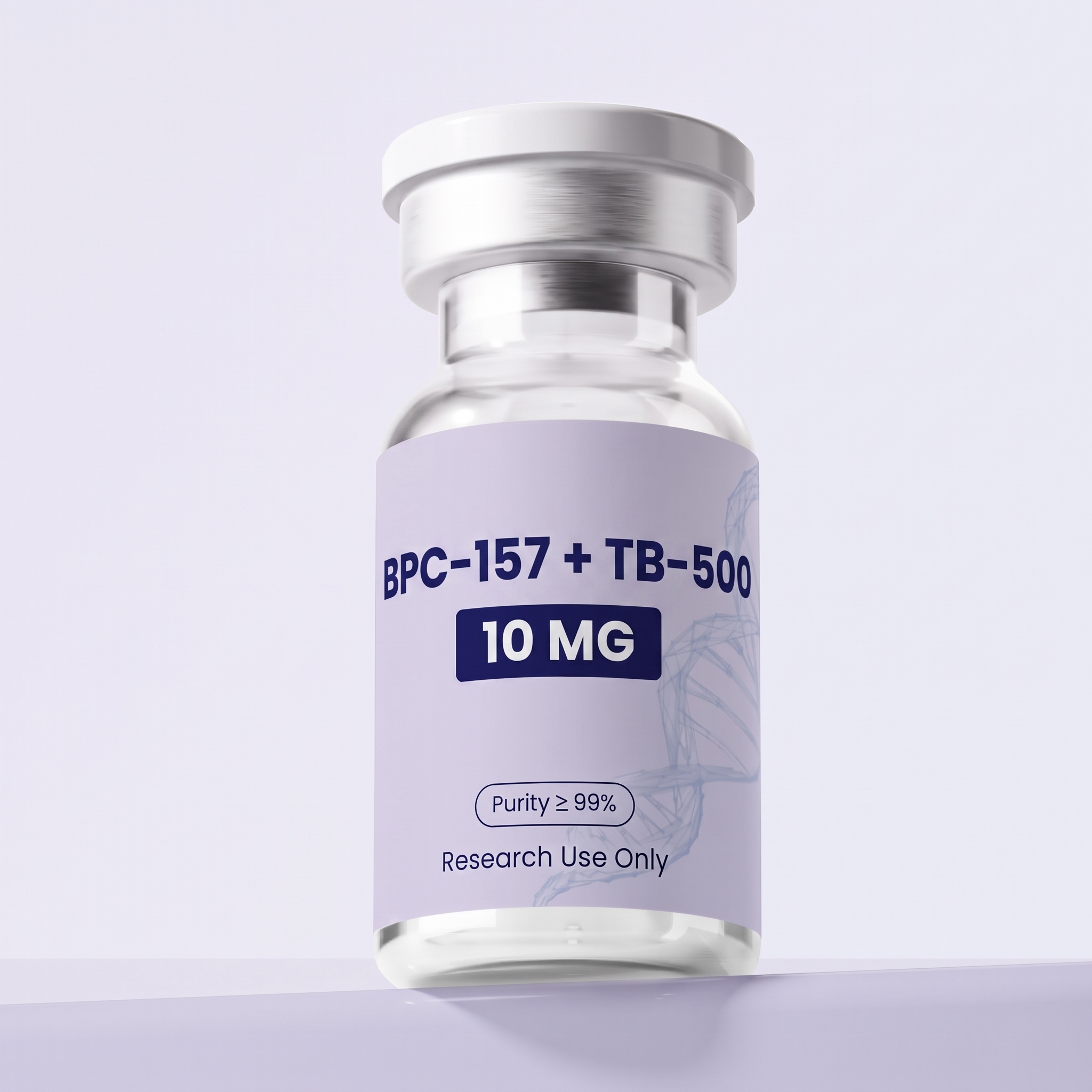
A BPC-157 and TB-500 blend, often called the "Wolverine Stack" is an informal combination of two synthetic peptides studied for tissue repair, cellular movement, and recovery
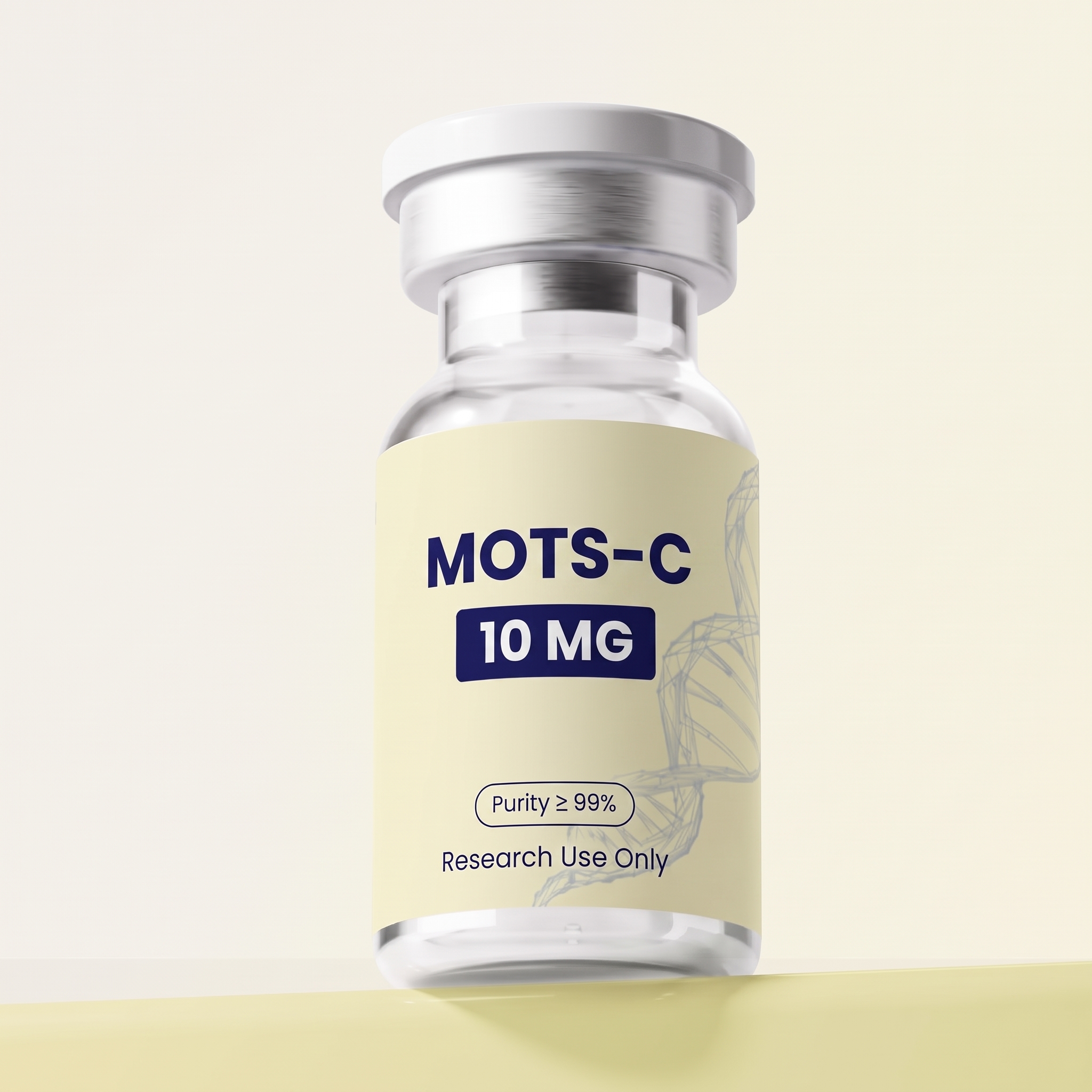
MOTS-c is a 16-amino-acid mitochondrial-derived peptide encoded by a short open reading frame in the mitochondrial 12S rRNA region. Peptide Grading tracks MOTS-c vendors, quantities, prices, shipping details, and COA information to make research-product listings easier to compare.
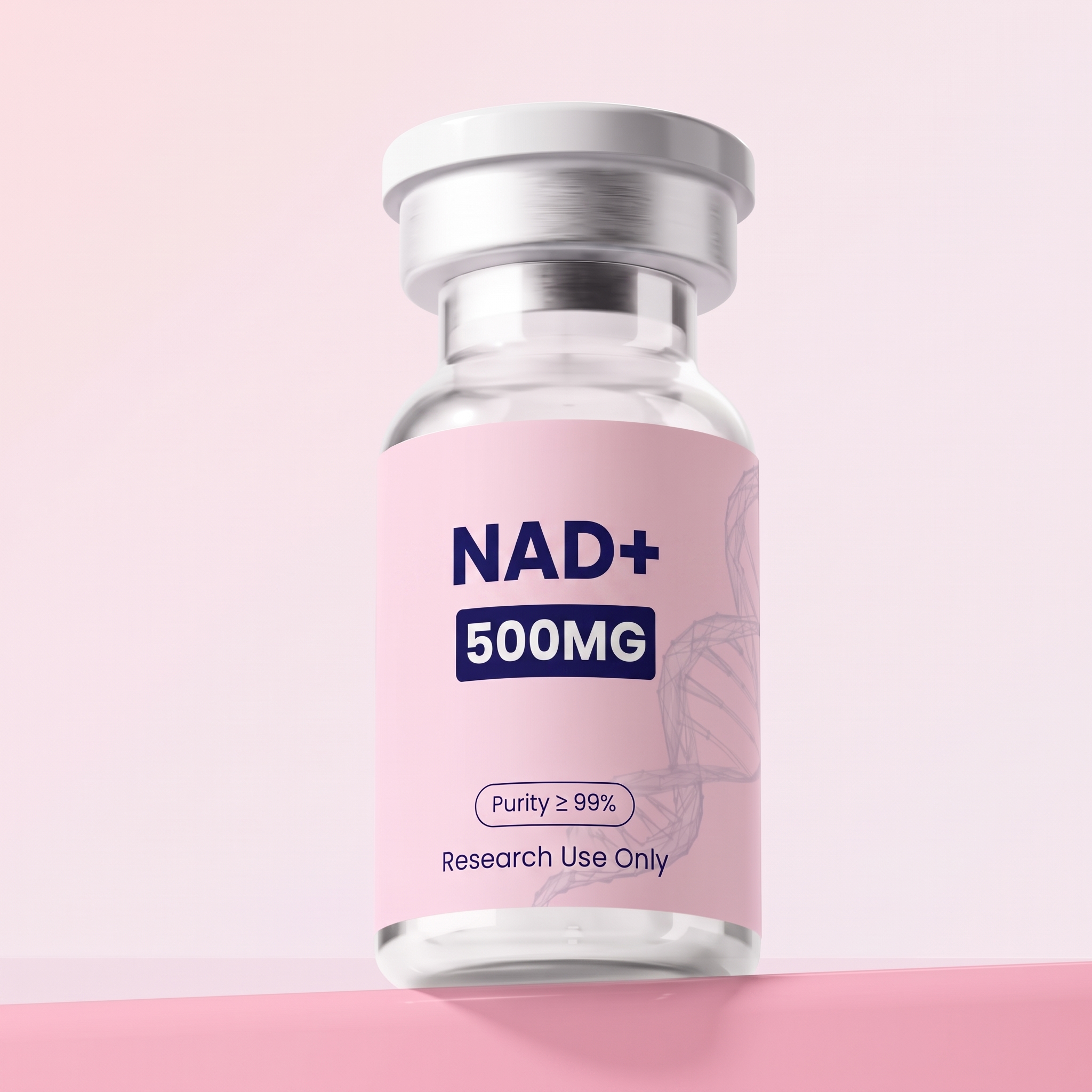
NAD+ (nicotinamide adenine dinucleotide) is a naturally occurring cellular coenzyme involved in energy metabolism, redox reactions, and several signaling pathways. It is found throughout living cells and continuously shifts between its oxidized NAD+ and reduced NADH forms. Unlike peptide compounds, NAD+ is a dinucleotide, making its research profile quite different from synthetic peptide products.
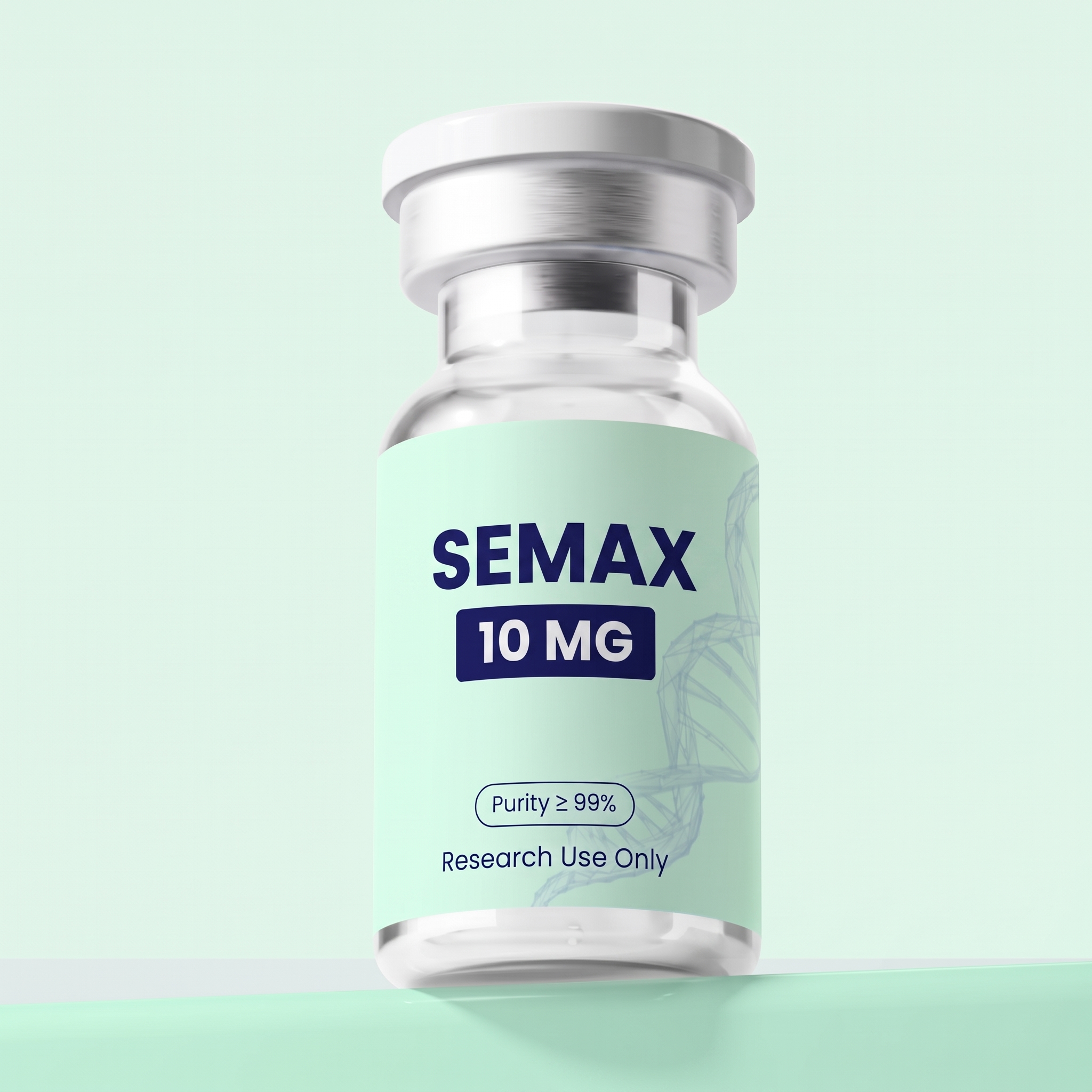
Semax is a synthetic seven-amino-acid peptide derived from ACTH(4–7) with an added Pro-Gly-Pro sequence. Research has mainly examined its effects on neurotrophic signaling, cerebral ischemia, and cellular responses in the nervous system. The evidence includes experimental studies and some clinical research, but its clinical and regulatory status varies by jurisdiction.
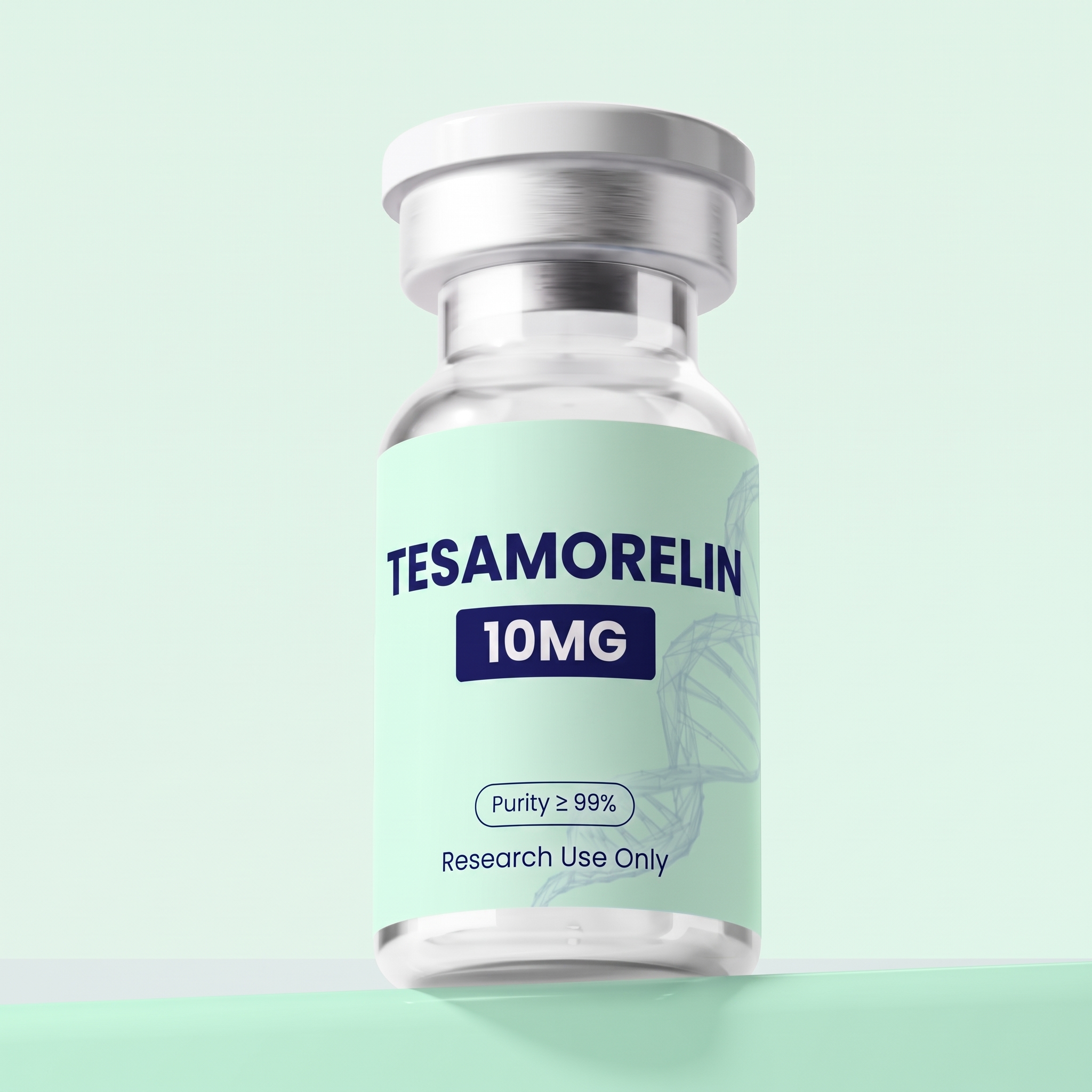
Tesamorelin is a synthetic 44-amino-acid analogue of human growth hormone-releasing factor (GRF). The peptide carries an N-terminal hexenoyl group, a structural change that distinguishes it from native GRF while retaining activity at the GRF receptor. Tesamorelin has been studied extensively in human endocrine research, particularly in work involving growth hormone release and IGF-1 response. Peptide Grading compares current listings by supplier, quantity, stated specifications, COA availability, shipping, and price per mg.
The Reta is terrible. I had hunger pains and inflammation come back with a vengeance when I tried them. I went through 2 of the 4 vials I bought. Going back to my previous supplier as I gained weight and have worse hunger pains than ever. I do not recommend.
Richell · US · Oct 14, 2026
Degraded Products
Don't order from them at all, but if you do don't order more than 1 month at a time if you don't plan on reconstituting immediately. They don't care after 30 days. I ordered 3 month supply and my first vial was fine, but my next two were cloudy and degraded. They didn't stand by the product at all since it was past the 30 days. You also are encouraged to pay $12.99 for a "cold" pack that is hot by the time you get your package. Very sketchy. There are much more reputable companies out there.
AJ D · US · Sep 29, 2026
Tirzepatide 10mg vial was/is bad cloudy with particles
Shipping was fast. Right when it was time to reconstitute I noticed cloudness on the Tirzepatide 10mg the Retatrutide was good. I email about the concern and they asked for a picture and I send the picture of the cloudy product next to the good one. They said it looked fine and to keep them updated. So I did and send them another picture of the cloudy product and a video of the bad vial and very noticeable cloudynes and particles in it. I will update this review if the issue is resolved if not I will be contacting Better Business Bureau. UPDATE: I have recived the replacement plus gift I guess for what happened. Only thing is the product came in extreamly HOT. Not cool , not warm, not hot but EXTREMELY HOT! I immediately put it in the refrigerator to cool down the product before I reconstitute, then I will give an update if it was affected by the the heat. UPDATE: It turned out to be good!
Lucero Bernabe · US · Aug 31, 2026
Fast shipping
Fast shipping, professionally packaged , arrived cold . Haven’t researched its effectiveness yet but COAS check ligit . Can’t go five stars yet until be actually done more research is the only reason we are one star short
T Fus · US · Jun 22, 2026
Good job love the Reta
Good job love the Reta
Swag Schild · US · Jun 21, 2026
R 1 Labs my go to
I have ordered R from this company for a few months now. Initially I ordered a small amount to check things out. I have since stock up a bit. They shipped from Texas and very quickly. Their site is good and professional. They show product tests on their site for 5 different categories.
Chuck · US · May 20, 2026
Reviews of Reta One Labs from Trustpilot, imported Oct 16, 2026.
Reta One Labs FAQs
How does Reta One Labs test its peptides?
Reta One Labs says each batch is tested for purity, identity, sterility, endotoxins, and heavy metals, with third party laboratory verification.
Does Reta One Labs offer free shipping?
Yes. Reta One Labs currently states that orders over $400 qualify for free shipping.
 Peptide Grading