US research-peptide supplier with a published COA library (44 reports) using an 8-test panel (identity, purity, net content, endotoxin, microbial, fentanyl, heavy metals, pH); same-day dispatch before 1pm PST.
32 live listings from $40.61 – $203.33 · 10% off with code PEPTIDEGRADING
Discounted only
Retatrutide
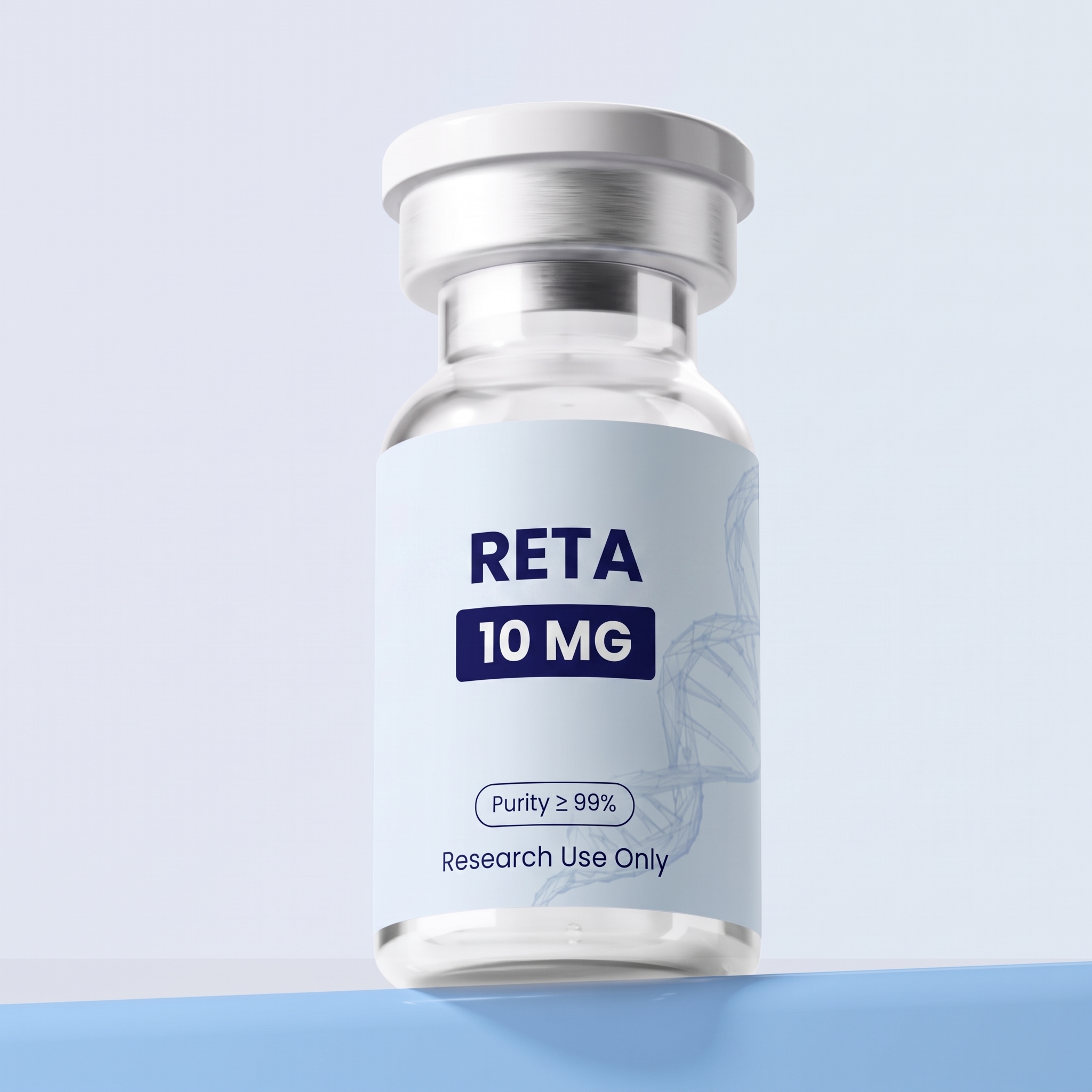
Retatrutide is an experimental once-weekly injection from Eli Lilly (internal code LY3437943). It's a single molecule that activates three receptors: GIP, GLP-1, and glucagon. Tirzepatide covers the first two, and retatrutide adds the third. It isn't approved anywhere, for anything. Lilly has said it plans to file with the FDA in the first quarter of 2027. On Peptide Grading , we list the research-labeled vials with sizes, price per mg, and COAs side by side. Being listed there isn't an endorsement, and those vials aren't Lilly's product.
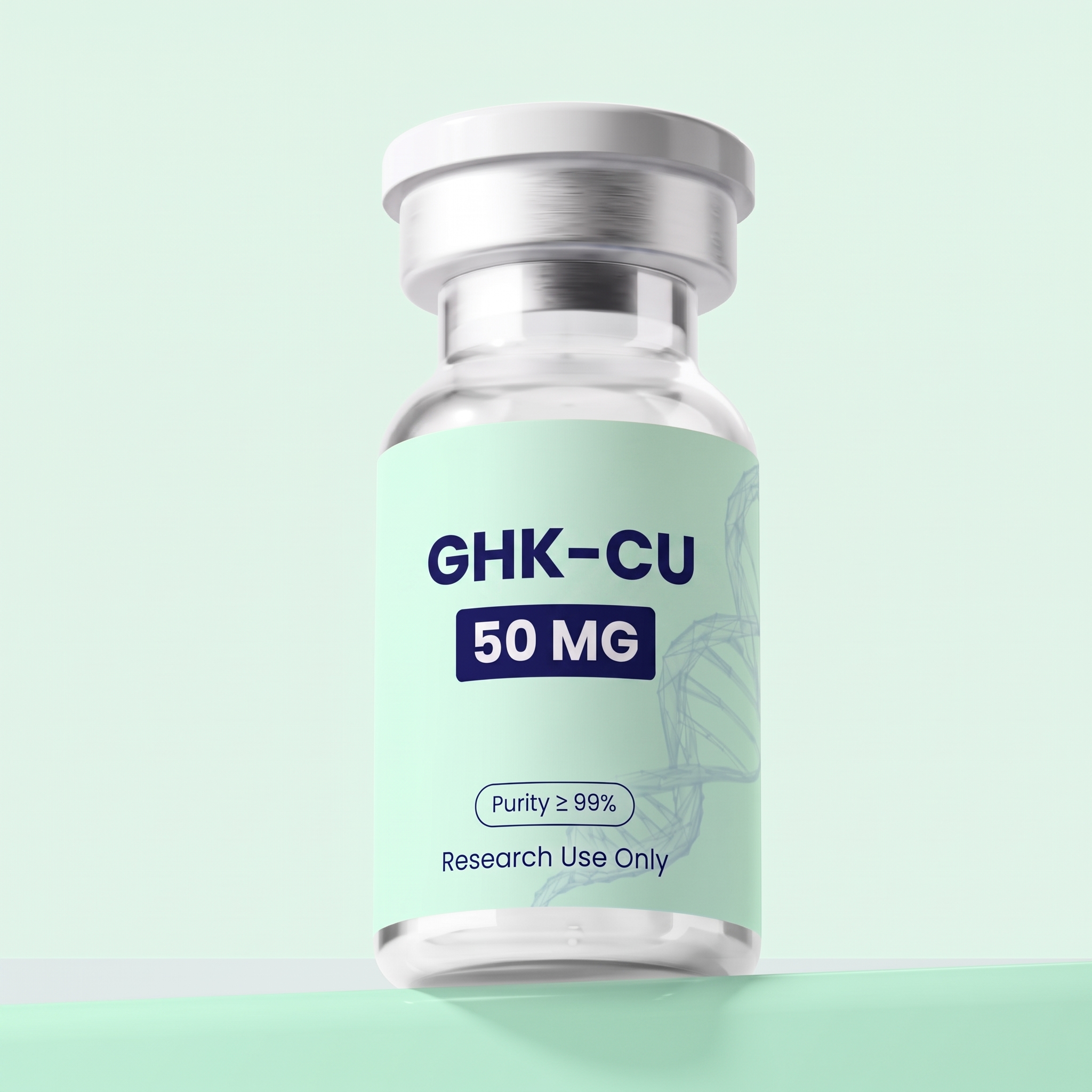
If you've ever seen a blue-tinted skincare serum, you've already met GHK-Cu. It's a copper-carrying tripeptide that was first pulled out of human blood plasma back in 1973, and it's been sitting in cosmetics for decades. What's newer is its life as a research peptide: vials of it, and blends like Glow and Klow that put it alongside BPC-157 and TB-500 . I'll say upfront that GHK-Cu is a bit unusual in this catalog. It has a long research history, and the skin-care version is a mainstream cosmetic ingredient. But no GHK-Cu drug is approved by the FDA, and the injectable side is much less studied than the creams. On Peptide Grading , we line up the research-labeled listings, with vendors, sizes, price per mg, and COAs , so you can see the differences. A listing isn't a recommendation to use it.
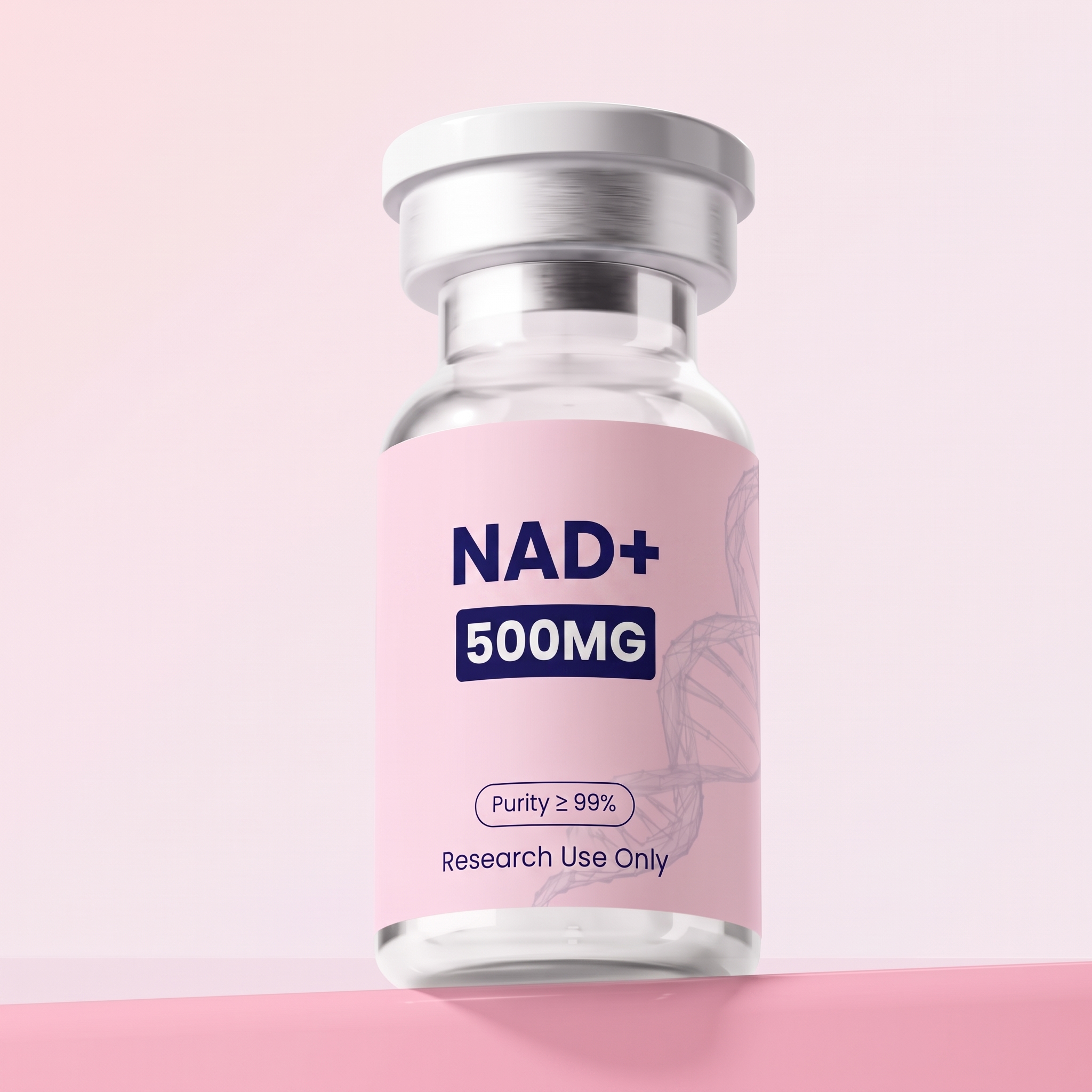
NAD+ (nicotinamide adenine dinucleotide) is a naturally occurring cellular coenzyme involved in energy metabolism, redox reactions, and several signaling pathways. It is found throughout living cells and continuously shifts between its oxidized NAD+ and reduced NADH forms. Unlike peptide compounds, NAD+ is a dinucleotide, making its research profile quite different from synthetic peptide products.
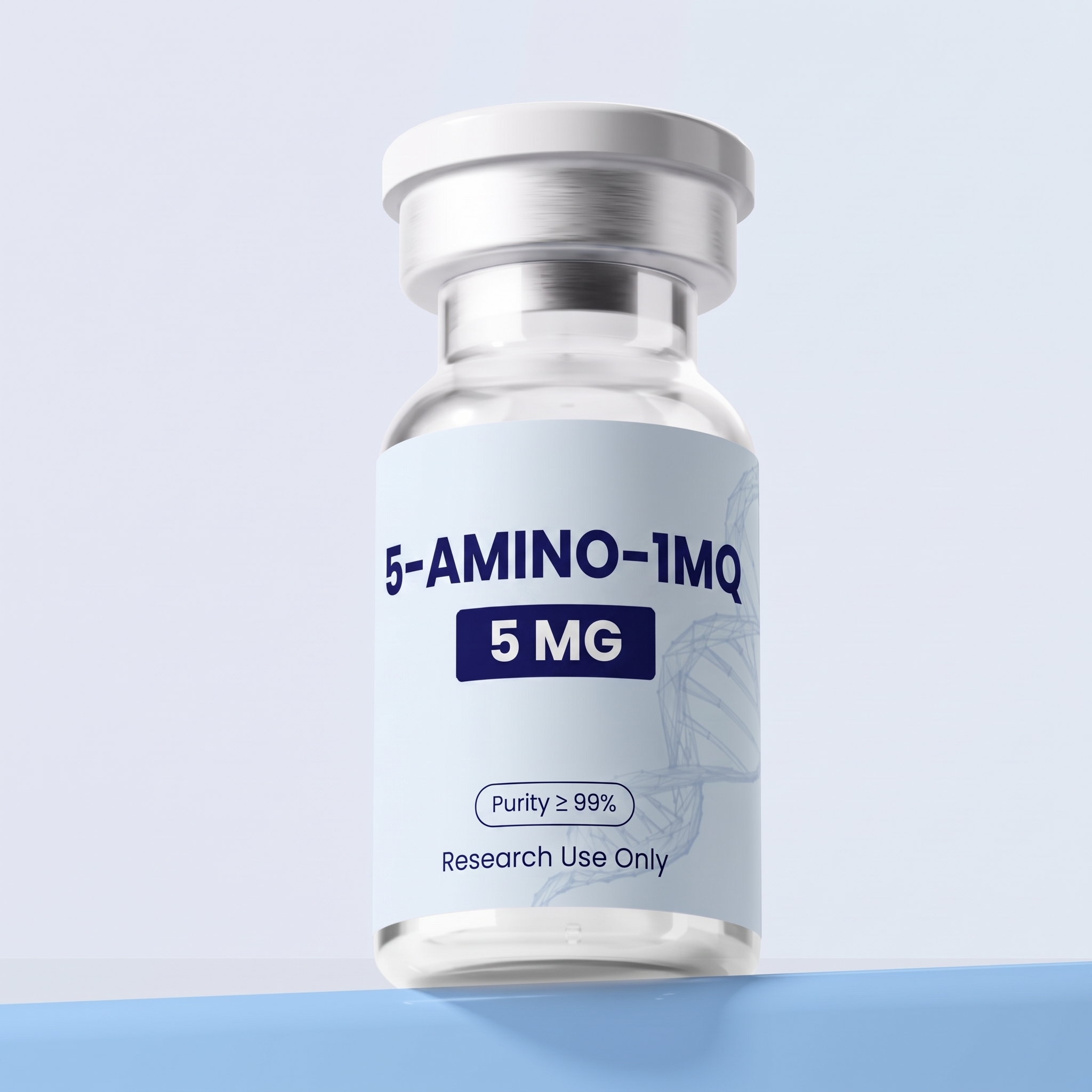
5-Amino-1MQ is a small-molecule inhibitor of nicotinamide N-methyltransferase (NNMT) . Unlike peptide compounds, it is a quinolinium-based molecule studied mainly in cell and animal models to understand NNMT activity, methylation metabolism, and related NAD+ pathways. Current evidence remains preclinical , with no established human clinical profile.
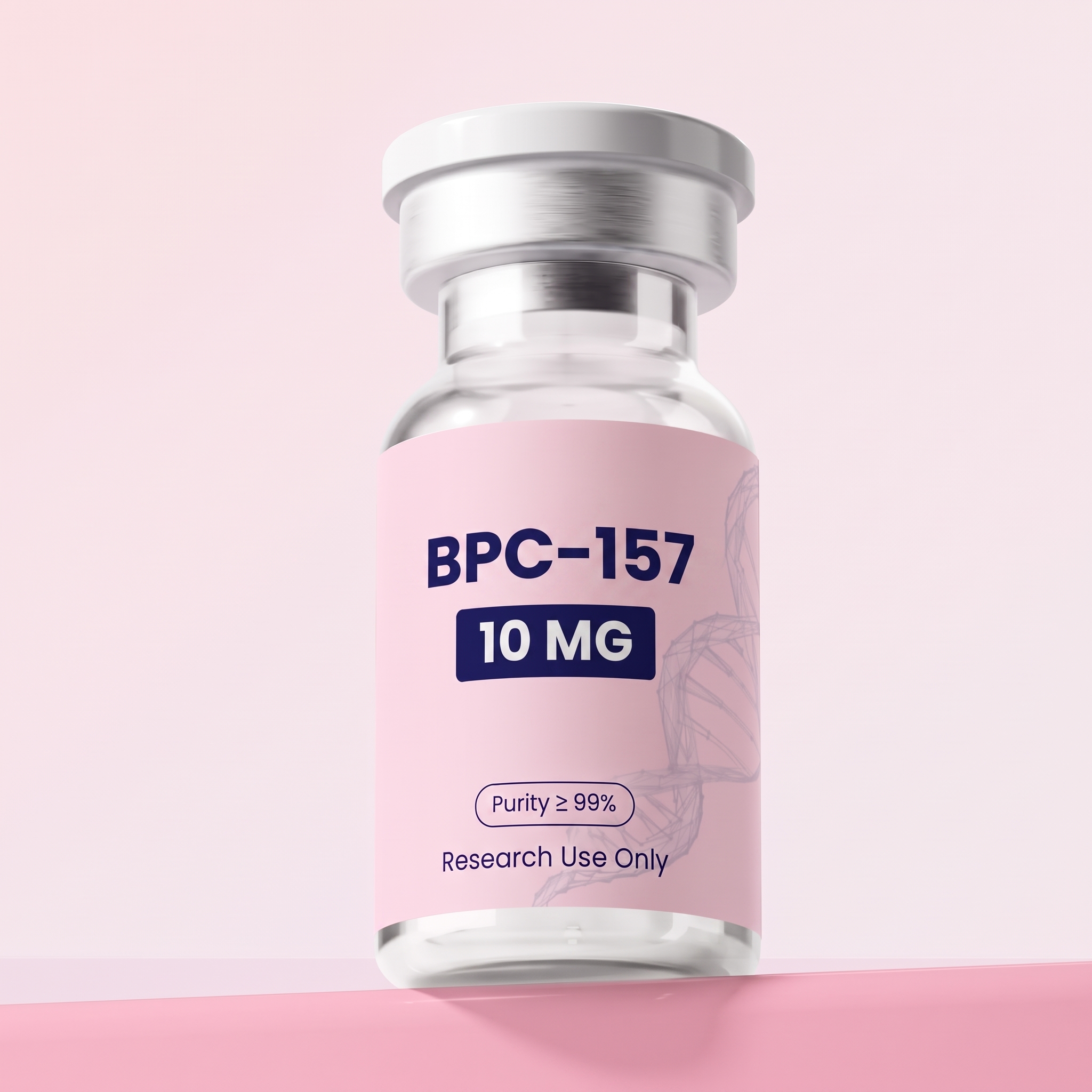
BPC-157 is a 15-amino-acid peptide first described from gastric juice. Most of the published work is preclinical, with studies covering tendon, muscle, gastrointestinal, vascular, and other injury models. Researchers have looked at several signaling pathways, including VEGFR2, nitric oxide, Akt-eNOS, and ERK1/2 . Other work has focused on angiogenesis, fibroblast activity, endothelial responses, and inflammation. Human data are still sparse. Small studies have looked at knee pain, interstitial cystitis, and intravenous safety and pharmacokinetics , but the number of human studies remains small and larger controlled trials are not available.
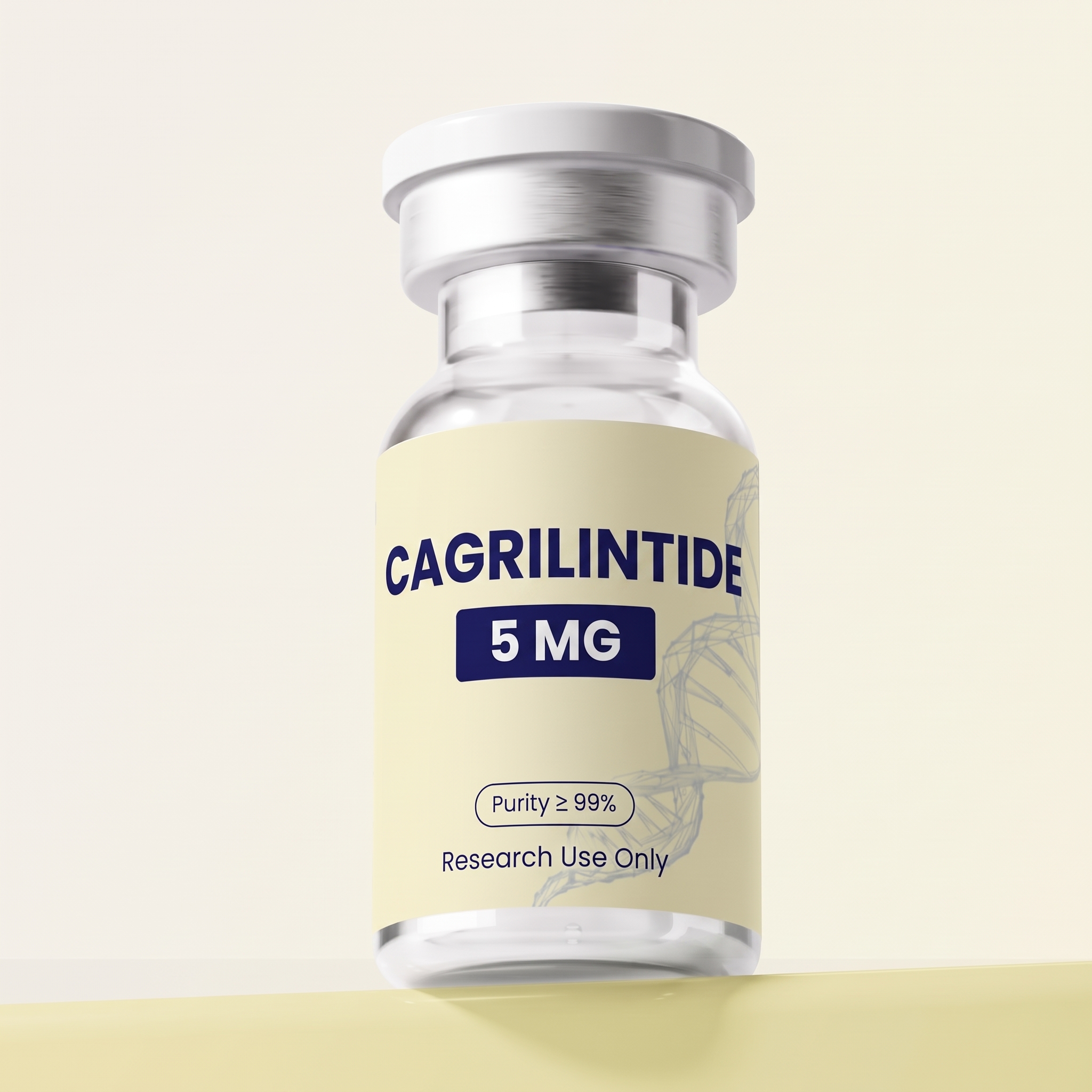
Cagrilintide is based on amylin , a hormone that helps regulate appetite and blood sugar after eating. Its structure was modified from natural amylin to make the peptide last longer. Unlike semaglutide, which mainly targets the GLP-1 receptor , cagrilintide acts through amylin and calcitonin-family receptors . Cagrilintide has also been studied on its own and together with semaglutide. Peptide Grading lists cagrilintide research materials from different suppliers. Listings can include supplier details, reported specifications, COA, quantities, shipping information, and price per mg .
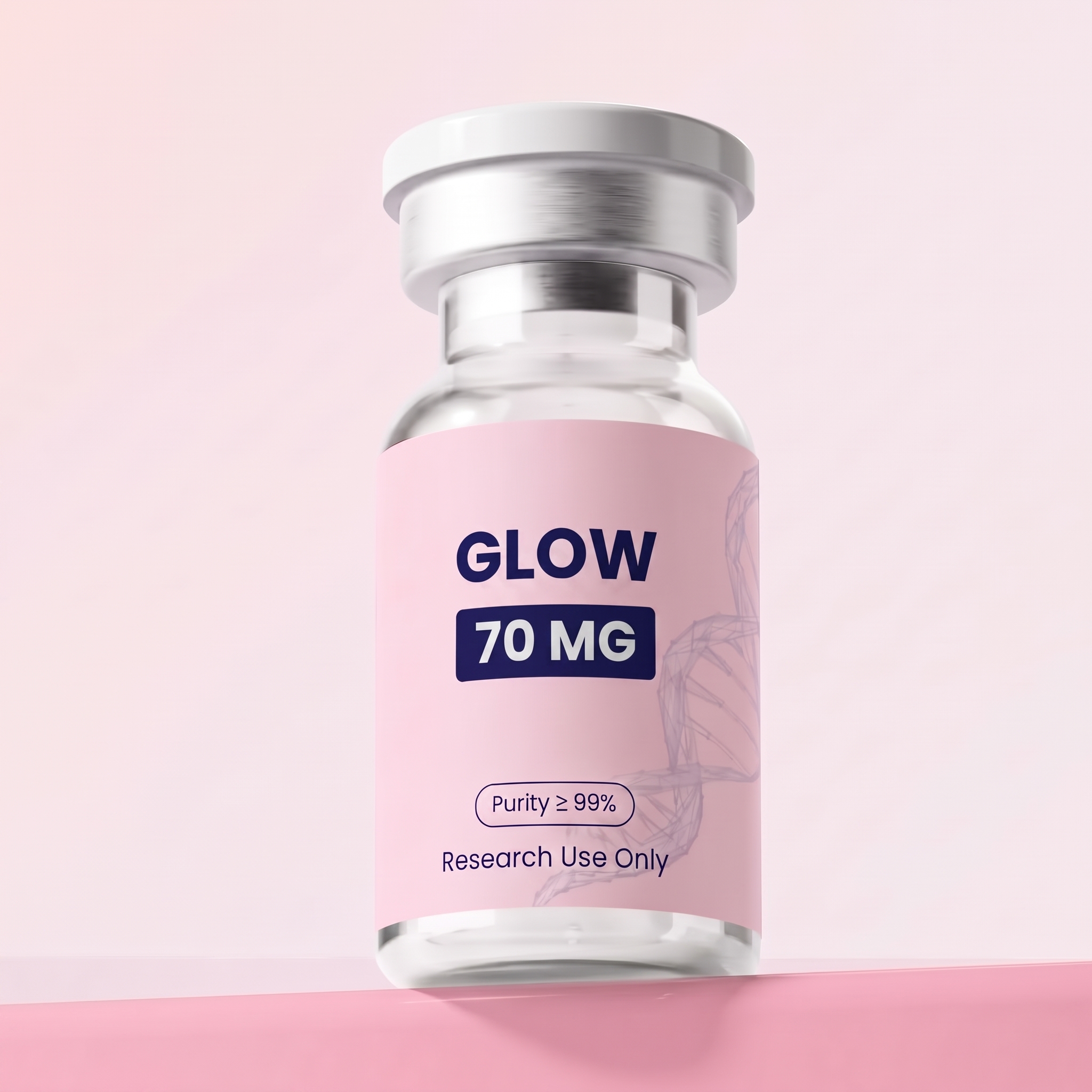
Ask five vendors what's in GLOW and you'll mostly get the same answer: GHK-Cu , BPC-157 and TB-500 in one vial. That's the whole formula. The name is a marketing label, not a pharmacological category, and the pitch is simple: a skin peptide plus two repair peptides, sold as a two-in-one. We pull GLOW listings from different vendors into one place, with vial size, price, shipping and COA links.
I was having trouble receiving my order after the courier had replaced it. I wrote an email explaining the situation, and a very kind-hearted person named Nicole guided me through the process step by step. Thanks to her patience and excellent customer service, my issue was resolved, and I will finally be receiving my order after four days. Nicole's kindness and willingness to help were truly wonderful. It's not every day you come across someone so helpful and caring. Thank you, Nicole, for making this experience so much easier!
talk talk · GB · Nov 8, 2026
Order came quick
Order came quick. Didn’t waste any time getting my stuff to me and gave me a good price. I’d recommend
Jerremy Mcdowell · US · Nov 8, 2026
Payed extra to get my products on…
Payed extra to get my products on friday, i ordered tuesday and got my product thursday, a day earlier! Also the experience is going great for me i’ve currently been on ratatouille for abt 2 and a half months and have lost 30 pounds
jalesa · US · Nov 6, 2026
Incredibly reliable
Incredibly reliable, I love my notes I get with the package :) fast shipping and awesome deals weekly would recommend.
Wesley Wilkie · US · Nov 4, 2026
Thank you x
I love neuro labs I can begin to describe how much this has improved my confidence, shipping was very quick no problem what so ever, thank you neuro labs!!!!!
Robyn · GB · Nov 3, 2026
Still adjusting and finding the level I…
Still adjusting and finding the level I need to be taking. We shall see over the next few weeks.
Tamatha Haynes · US · Nov 3, 2026
Reviews of NeuroLabs Research from Trustpilot, imported Nov 9, 2026.
 Peptide Grading