U.S.-based research peptide supplier offering 99%+ purity research peptides with independently tested, searchable COAs. The site states products are for research use only.
17 live listings from $30.00 – $88.00 · 10% off with code ALICE
Discounted only
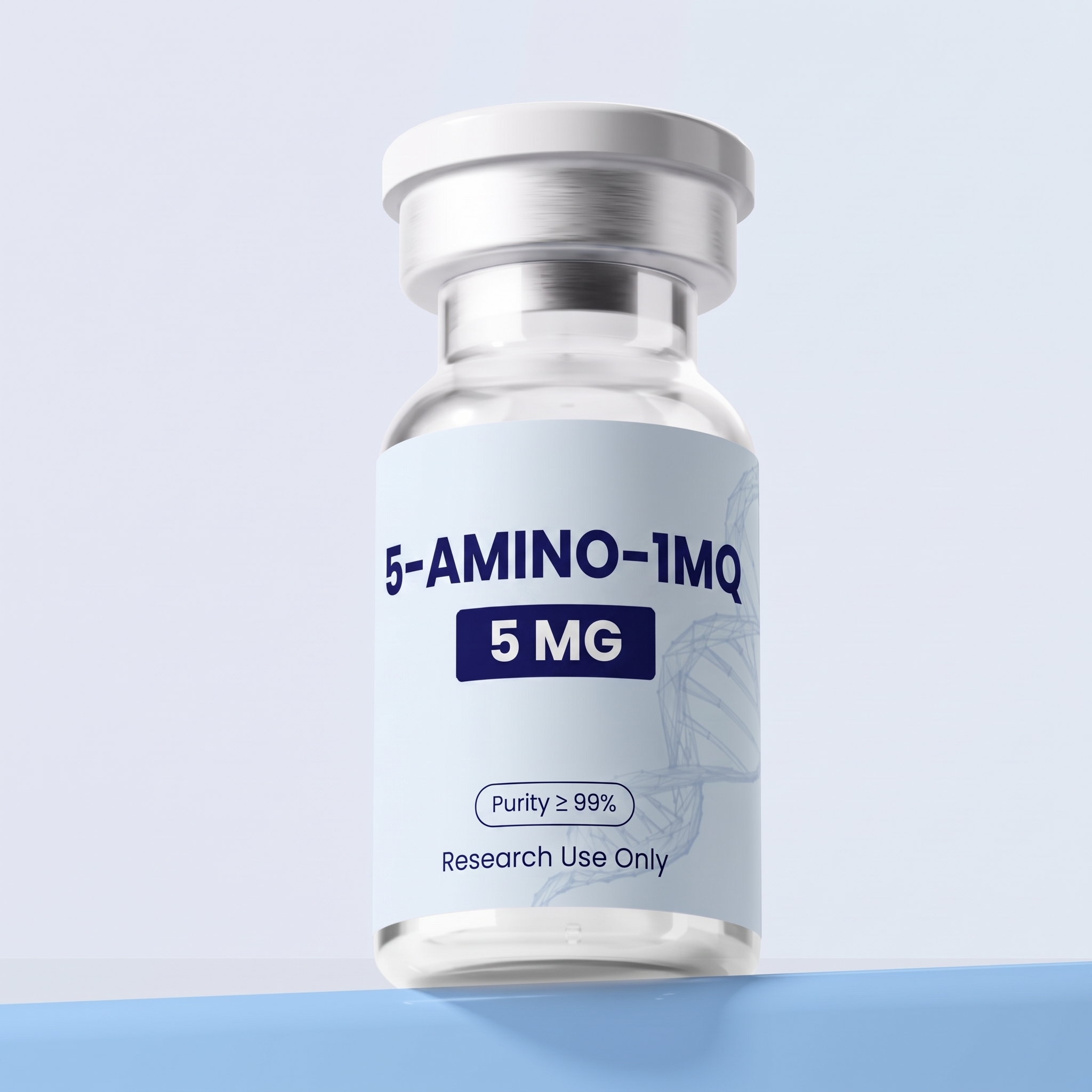
5-Amino-1MQ
5-Amino-1MQ is a small-molecule inhibitor of nicotinamide N-methyltransferase (NNMT) . Unlike peptide compounds, it is a quinolinium-based molecule studied mainly in cell and animal models to understand NNMT activity, methylation metabolism, and related NAD+ pathways. Current evidence remains preclinical , with no established human clinical profile.
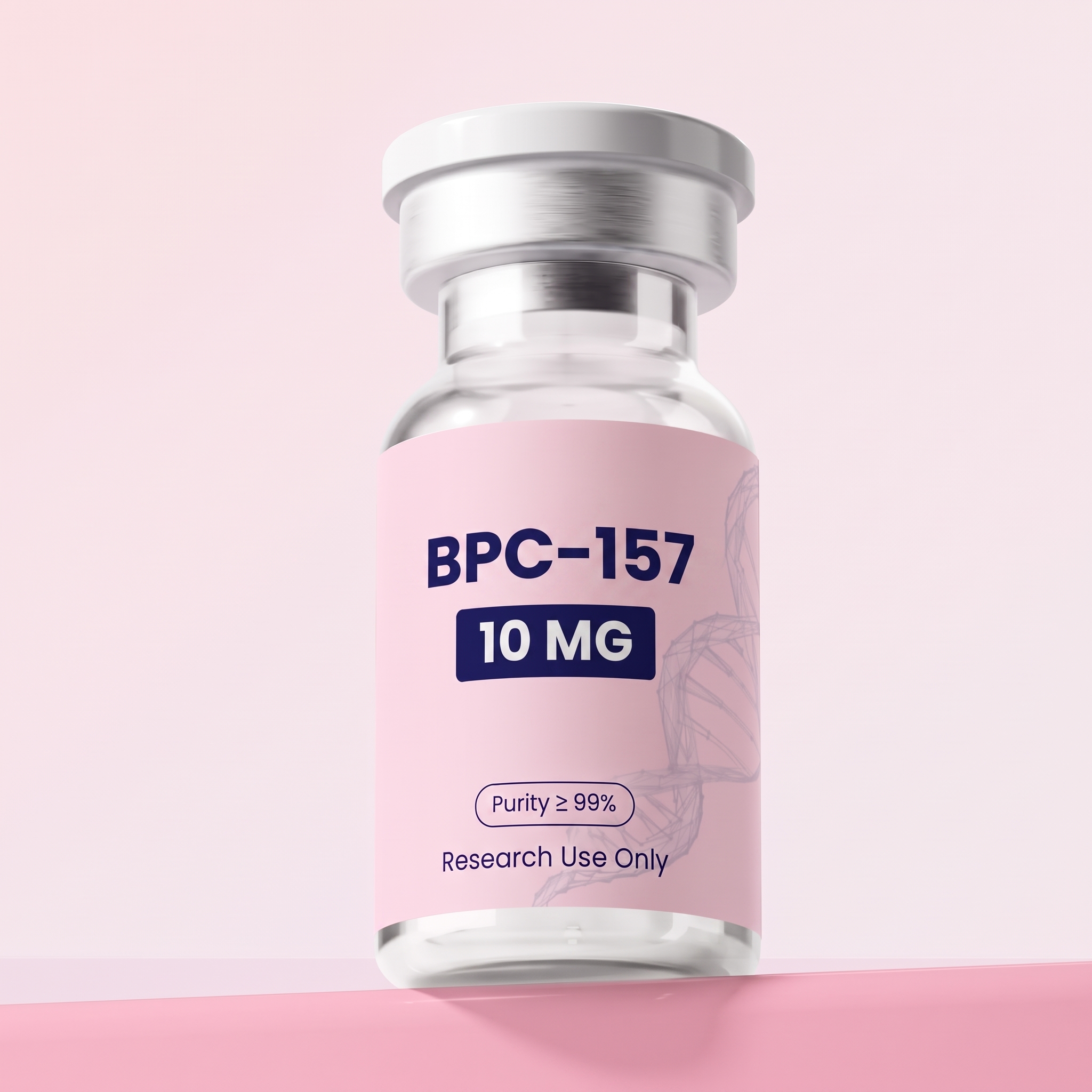
BPC-157 is a 15-amino-acid peptide first described from gastric juice. Most of the published work is preclinical, with studies covering tendon, muscle, gastrointestinal, vascular, and other injury models. Researchers have looked at several signaling pathways, including VEGFR2, nitric oxide, Akt-eNOS, and ERK1/2 . Other work has focused on angiogenesis, fibroblast activity, endothelial responses, and inflammation. Human data are still sparse. Small studies have looked at knee pain, interstitial cystitis, and intravenous safety and pharmacokinetics , but the number of human studies remains small and larger controlled trials are not available.
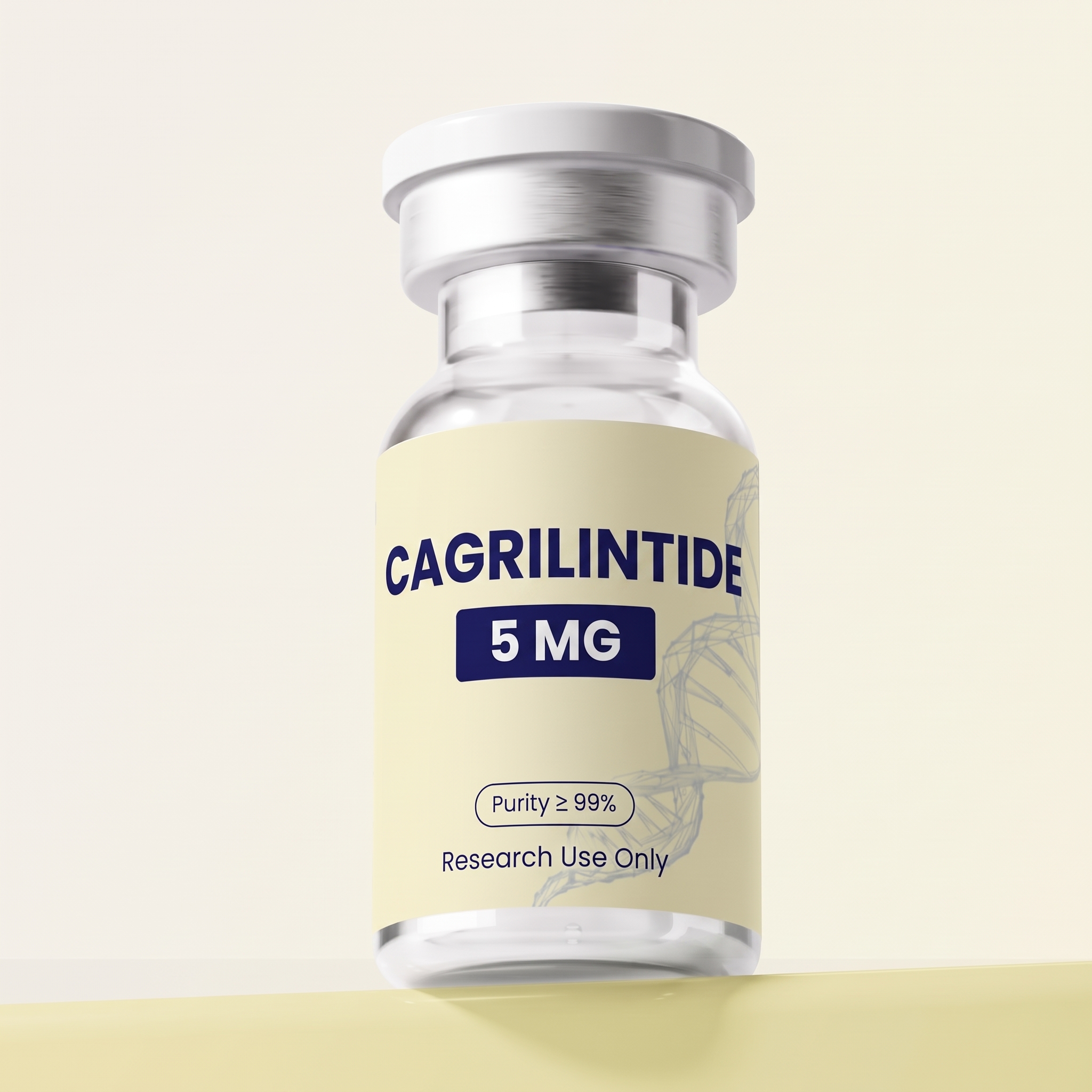
Cagrilintide is based on amylin , a hormone that helps regulate appetite and blood sugar after eating. Its structure was modified from natural amylin to make the peptide last longer. Unlike semaglutide, which mainly targets the GLP-1 receptor , cagrilintide acts through amylin and calcitonin-family receptors . Cagrilintide has also been studied on its own and together with semaglutide. Peptide Grading lists cagrilintide research materials from different suppliers. Listings can include supplier details, reported specifications, COA, quantities, shipping information, and price per mg .
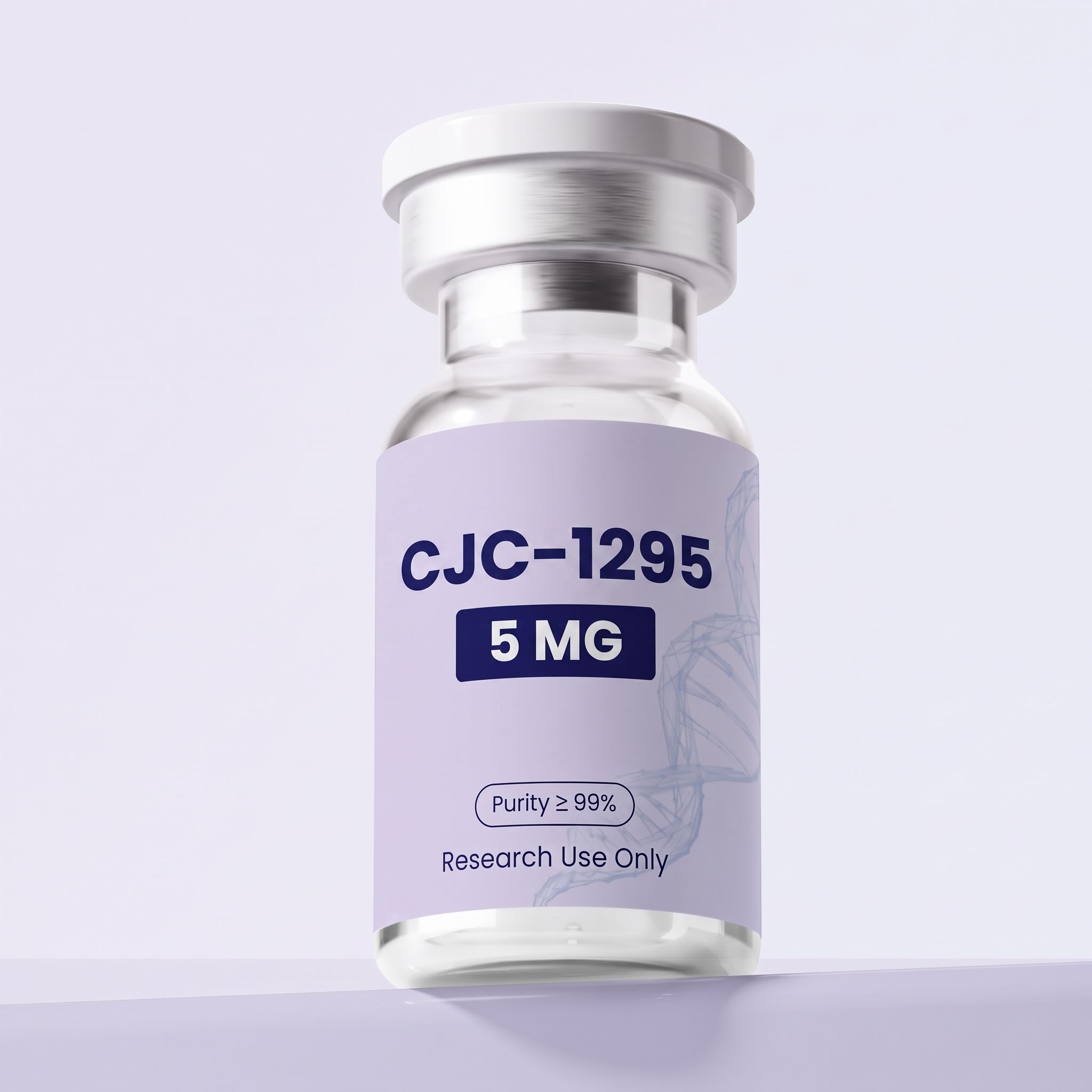
CJC-1295 is a member of the GHRH analogue family of peptides and consists of a sequence derived from hGRF(1-29). The addition of a DAC group allows for prolonged exposure by binding to albumin compared to native GHRH. That longer exposure is what makes CJC-1295 interesting in human pharmacology. Studies have followed changes in GH and IGF-1 , along with the pharmacokinetic behavior of the DAC form. At Peptide Grading , CJC-1295 listings can be compared by material form, supplier, reported specifications, COA documentation, quantity, shipping and price per mg.
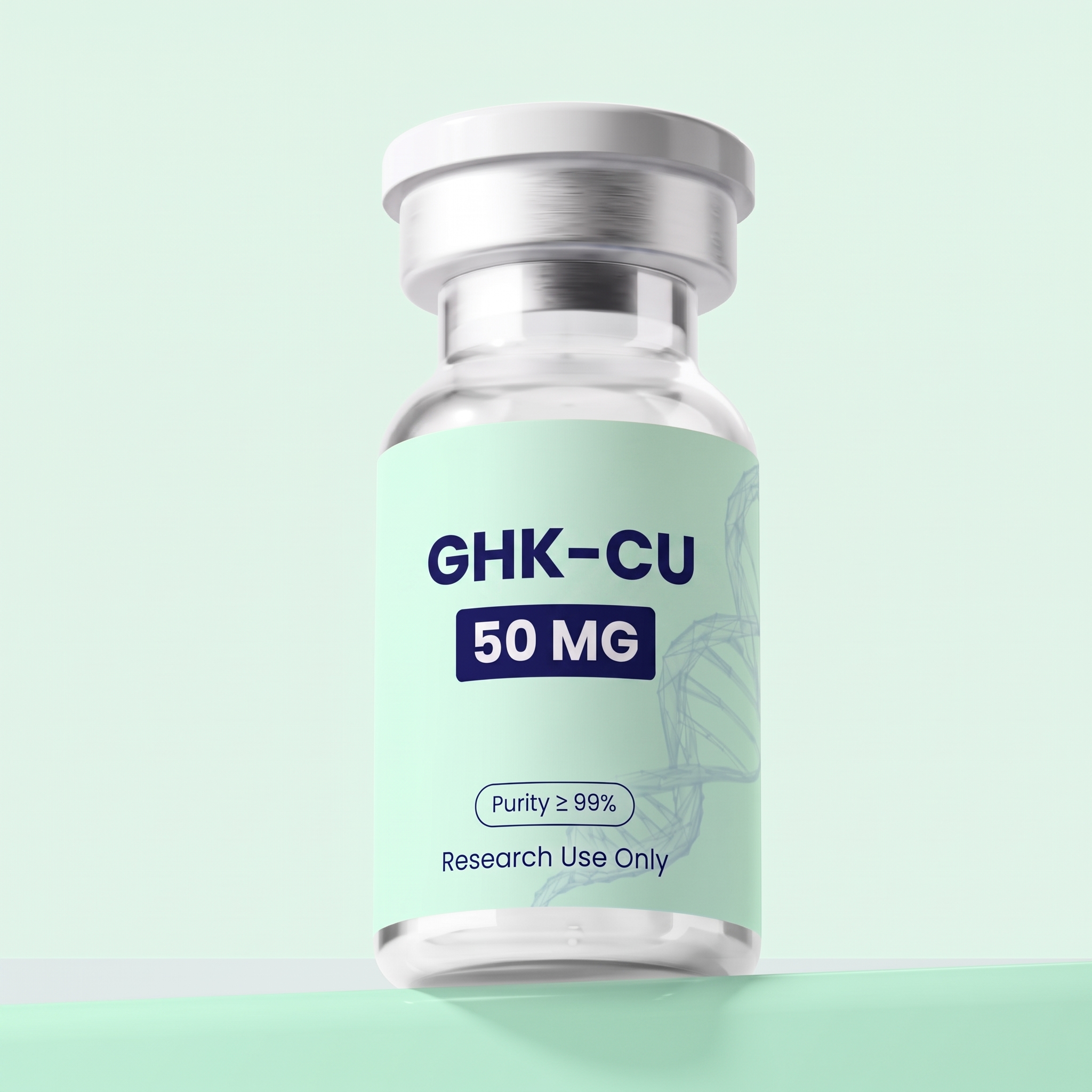
If you've ever seen a blue-tinted skincare serum, you've already met GHK-Cu. It's a copper-carrying tripeptide that was first pulled out of human blood plasma back in 1973, and it's been sitting in cosmetics for decades. What's newer is its life as a research peptide: vials of it, and blends like Glow and Klow that put it alongside BPC-157 and TB-500 . I'll say upfront that GHK-Cu is a bit unusual in this catalog. It has a long research history, and the skin-care version is a mainstream cosmetic ingredient. But no GHK-Cu drug is approved by the FDA, and the injectable side is much less studied than the creams. On Peptide Grading , we line up the research-labeled listings, with vendors, sizes, price per mg, and COAs , so you can see the differences. A listing isn't a recommendation to use it.
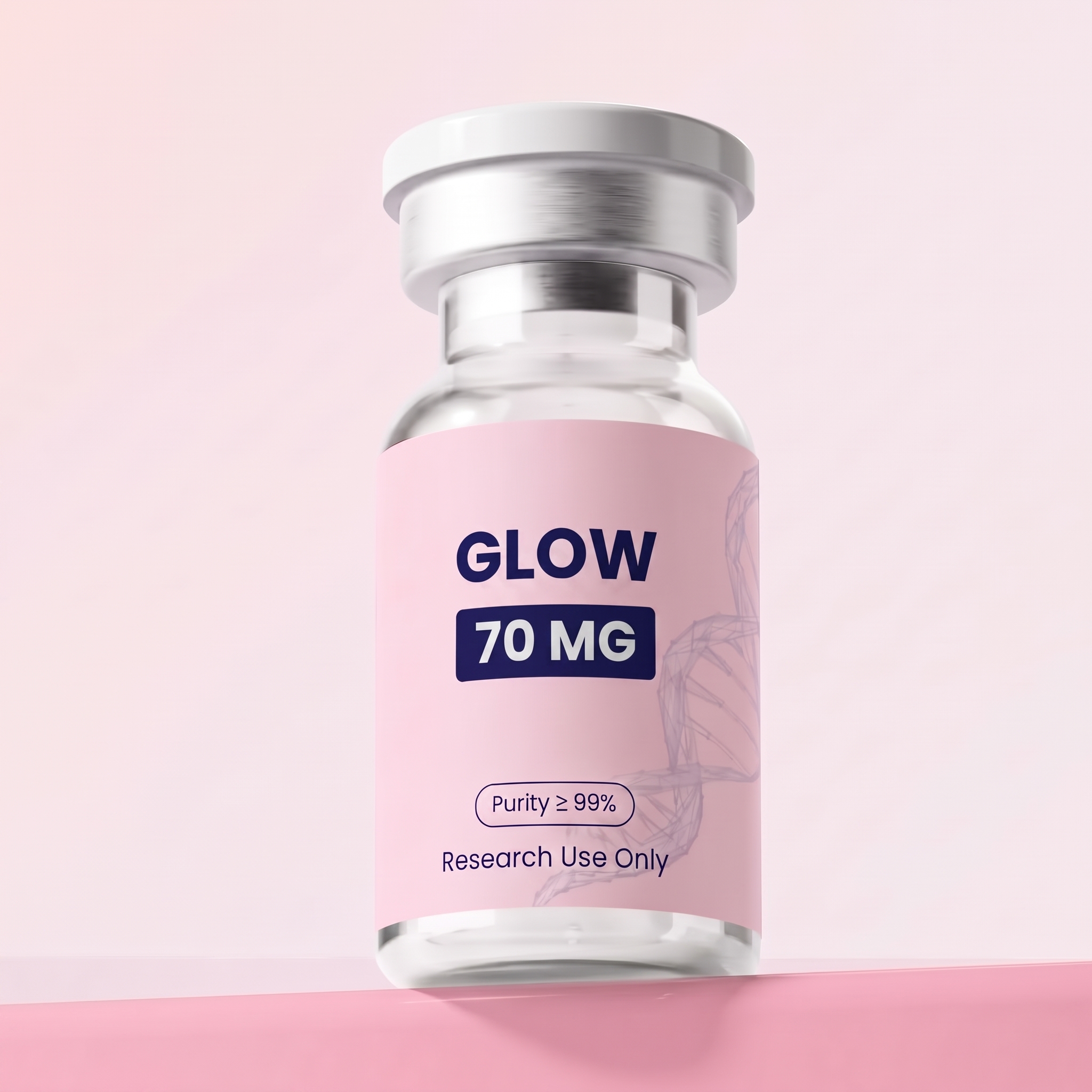
Ask five vendors what's in GLOW and you'll mostly get the same answer: GHK-Cu , BPC-157 and TB-500 in one vial. That's the whole formula. The name is a marketing label, not a pharmacological category, and the pitch is simple: a skin peptide plus two repair peptides, sold as a two-in-one. We pull GLOW listings from different vendors into one place, with vial size, price, shipping and COA links.
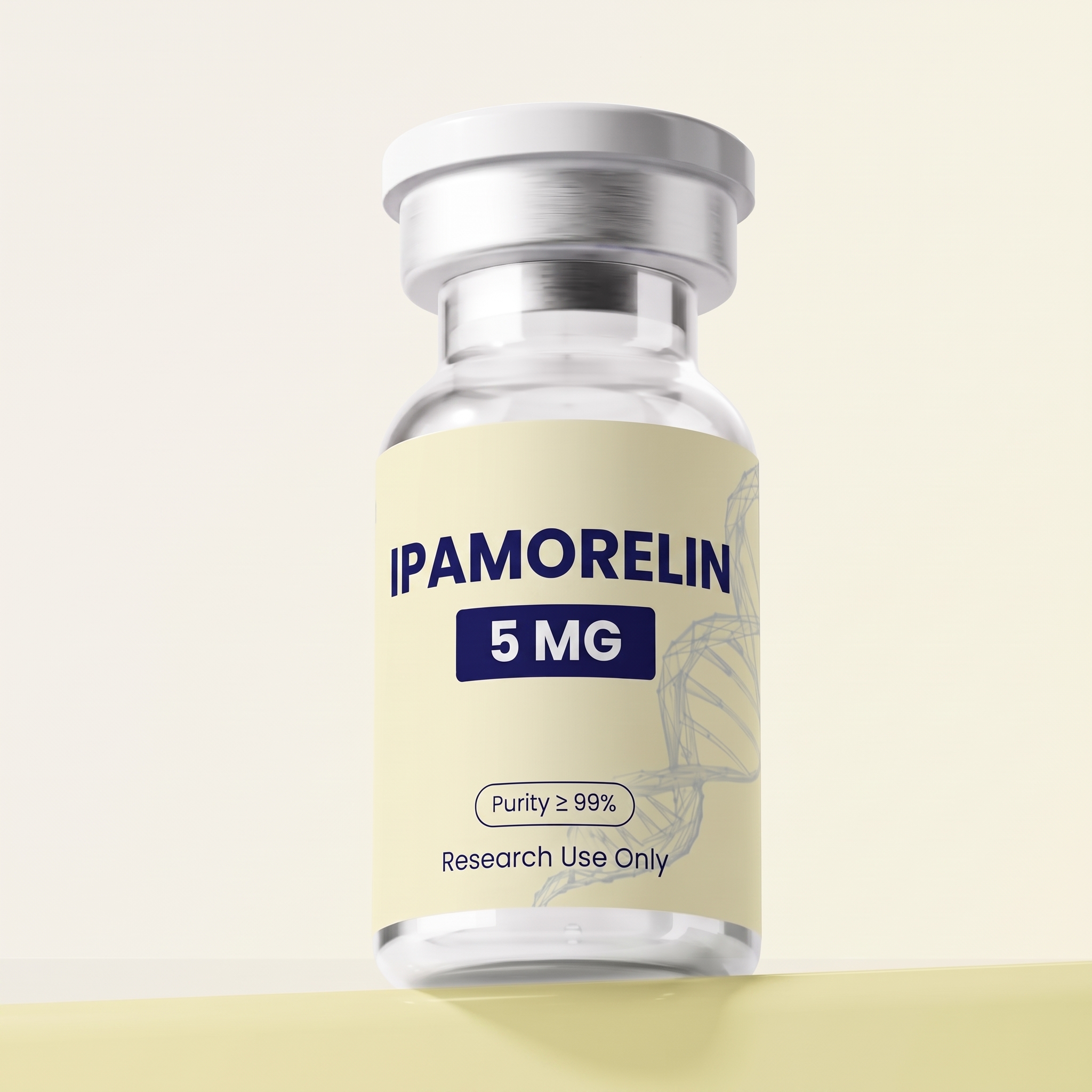
Ipamorelin is a five-amino-acid peptide that switches on the ghrelin receptor and makes the pituitary release growth hormone. Novo Nordisk researchers built it in the 1990s, and what made it interesting was how narrow its effect looked. Older compounds in the same family pushed up other hormones too. Ipamorelin mostly didn't. It has no approved use anywhere. A Phase 2 trial in the early 2000s tried it for a bowel problem after surgery, and it didn't work well enough to continue. So what's left is mostly lab and animal data, and the research-labeled vials that vendors sell. On Peptide Grading , we list those vials with vendors, sizes, price per mg, and COA documents in one place, so you can compare them without hunting through tabs.
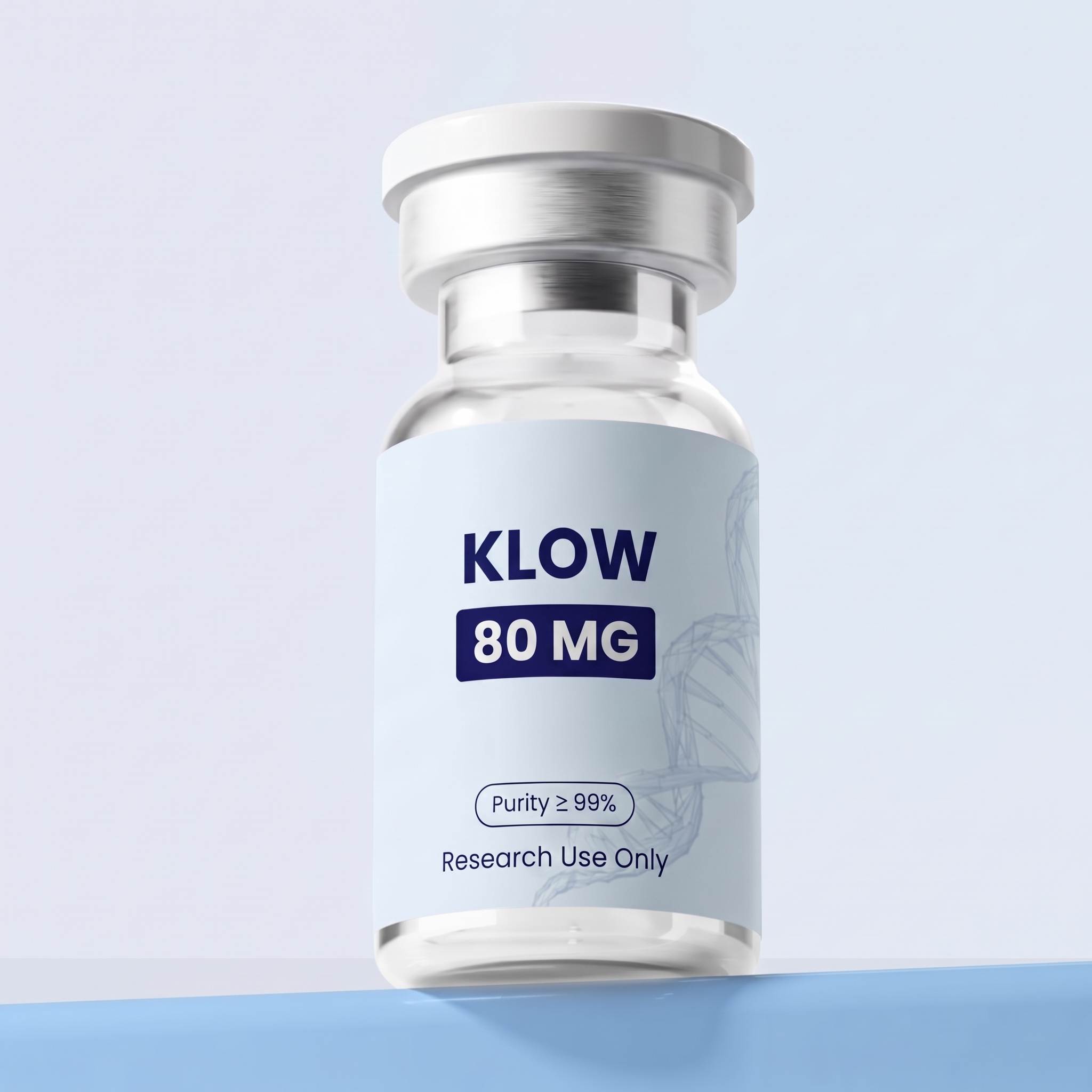
Klow Stack is Glow plus KPV: four peptides ( GHK-Cu , BPC-157 , TB-500 , KPV) in one vial. Each one is researched for a different job, from tissue remodeling to inflammation. The catch is that the research is on the peptides individually, mostly in animals. Nobody has published results on the blend itself. Klow packs them into a single product instead of four separate vials. On Peptide Grading , we track Klow Stack listings in one place: vendors, vial sizes, price per mg, shipping details, and certificate of analysis (COA) documents, so you don't need ten tabs open to compare them.
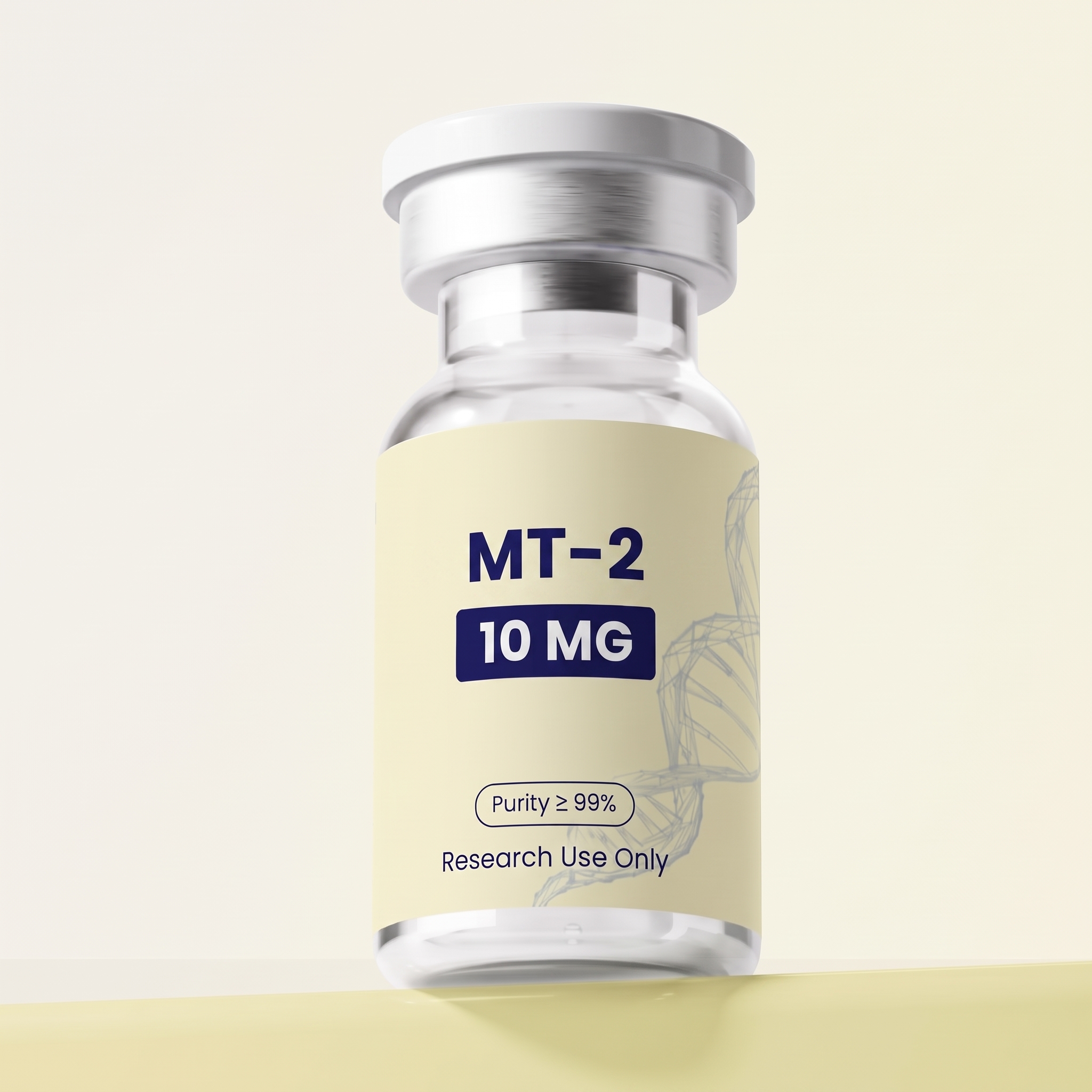
Melanotan II is a lab-made peptide modeled on α-melanocyte-stimulating hormone (α-MSH), the natural hormone that tells your skin to make pigment. Researchers built it to understand how the melanocortin receptor system works, especially the pathways behind melanin production. It's tempting to file MT-II under "tanning peptides," but that undersells it. It acts on several receptors, not just one, and that's why human studies have looked at both skin pigmentation and erectile function. The case reports that followed raised some real safety questions. On Peptide Grading , we track MT-II research listings in one place: vendors, quantities, prices, shipping details, and certificate of analysis (COA) documents, so you don't have to open ten tabs to compare them.
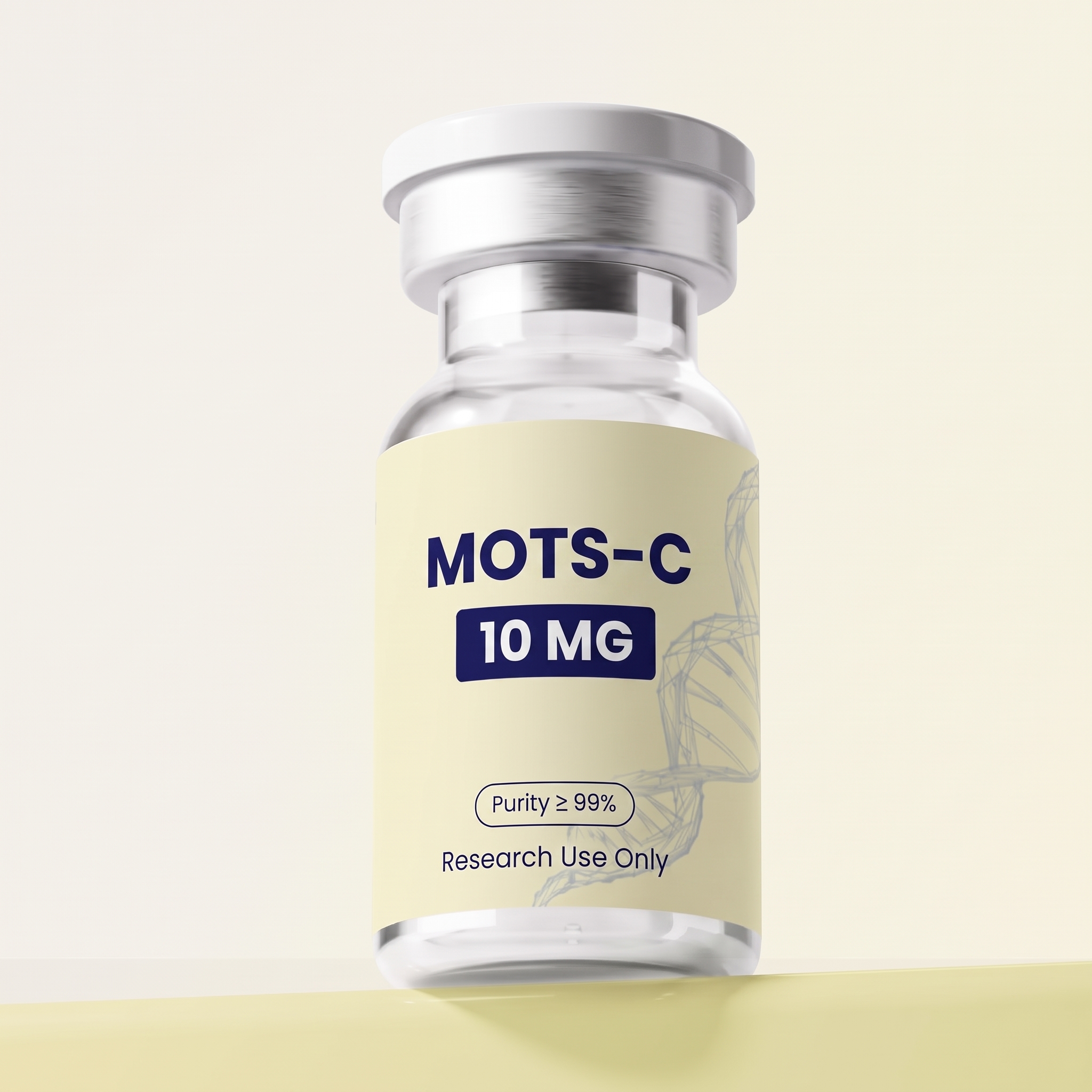
MOTS-c is a 16-amino-acid mitochondrial-derived peptide encoded by a short open reading frame in the mitochondrial 12S rRNA region. Peptide Grading tracks MOTS-c vendors, quantities, prices, shipping details, and COA information to make research-product listings easier to compare.
My experience is that they have excellent products at excellent prices, shipping has been very prompt, and their customer service is attentive. Their products are made in the US.
Barbara Ferber · US · Aug 26, 2026
I will only buy from this company
I will only buy from this company. Superior in product, delivery, ease, customer service. no complaints whatso ever about product or production. however, im big time on aesthetic and not my style but really that has nothing to do with the quality. I also wished they offered more vanity peps like lipo c or others.
Vic Toria · US · Jul 31, 2026
I'm glad l order from GenPeptides
I'm glad l order from GenPeptides, l've never had any issues with their products, the shipping is always superfast,all my orders always gets to me right on time when l really need them,even if l compare prices elsewhere l'll end up ordering here😂😂
Nyasha Mapenz · US · Jun 9, 2026
This is the update to my previous…
This is the update to my previous review. Later the same day that I reported the particles in the bottle to customer service they contacted. They were very prompt and asked if I would be willing to accept a reship. I received the product in less than 48 hours and it is clear after reconstitution. I highly recommend this company.
Mike · US · May 21, 2026
Verified
Numerous orders from them
Numerous orders from them. Crazy fast shipping and processing. Had a little hiccup withe the payment processing but it was taken care of right away and they came thru as always! Prices are probably some of the best you can find.
Jason · US · May 9, 2026
Reliable & effective!
I’ve been ordering for a few months now and have always gotten my order fast. Customer service was great at answeing all my questions super quick! Overall very happy with my results!!
Karen Davis · US · May 3, 2026
Reviews of GenPeptide from Trustpilot, imported Oct 16, 2026.
 Peptide Grading