EU-based research peptide supplier. Every product ships to its supplier's published batch specification, with selected lots independently tested by Janoshik Analytical (HPLC and MS). Fast, tracked shipping across the EU and beyond. For research purposes only.
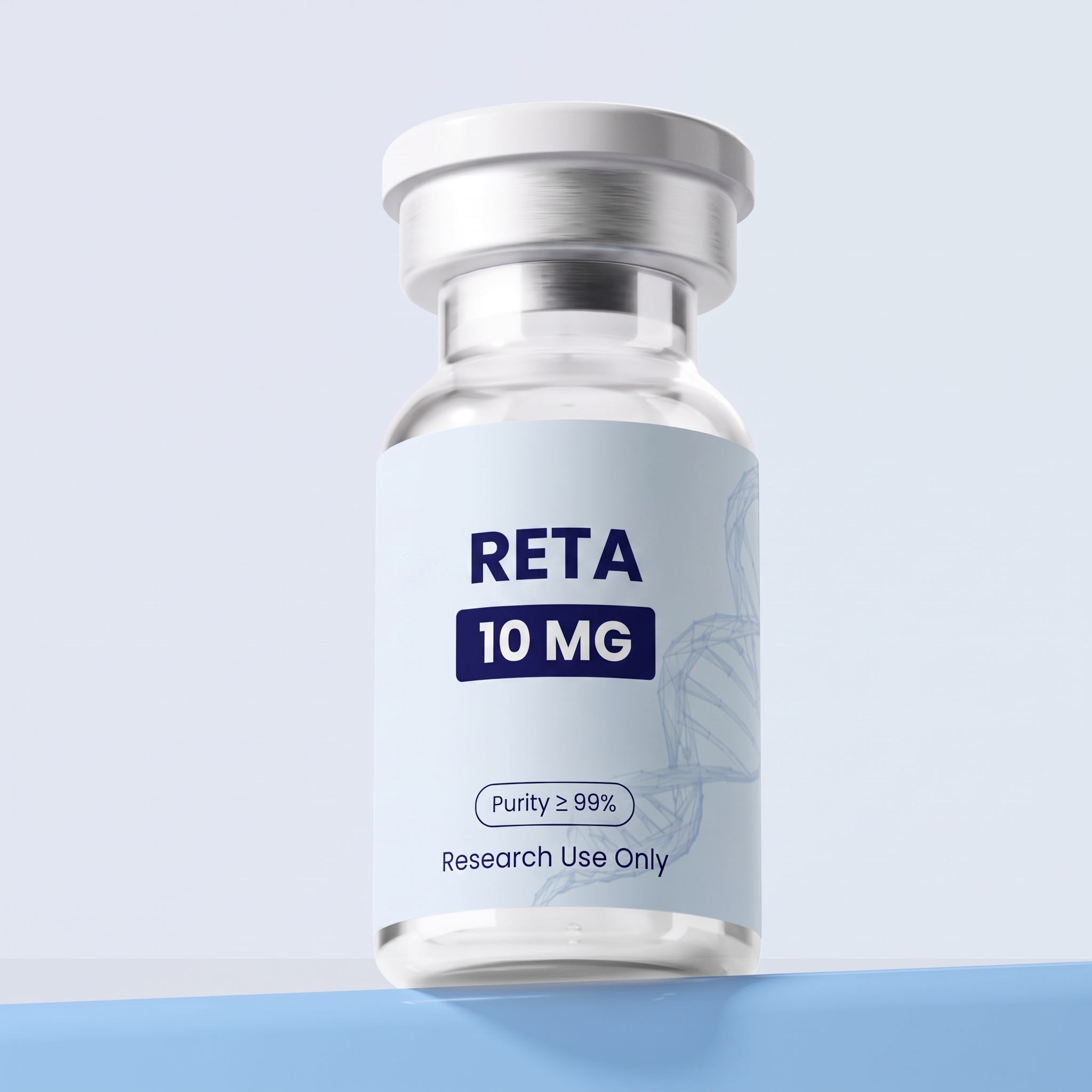
Retatrutide is a first-in-class investigational triple hormone receptor agonist (GIP, GLP-1, and glucagon) developed by Eli Lilly. In the Phase 2 trial (Jastreboff et al., NEJM 2023, n=338), the 12 mg dose achieved 24.2% mean body weight reduction at 48 weeks, with 100% of participants achieving at least 5% weight loss. Multiple Phase 3 TRIUMPH trials are ongoing, with TRIUMPH-4 (Dec 2025) reporting average loss up to 71.2 lbs with osteoarthritis pain relief. Expected FDA approval is 2027-2028.
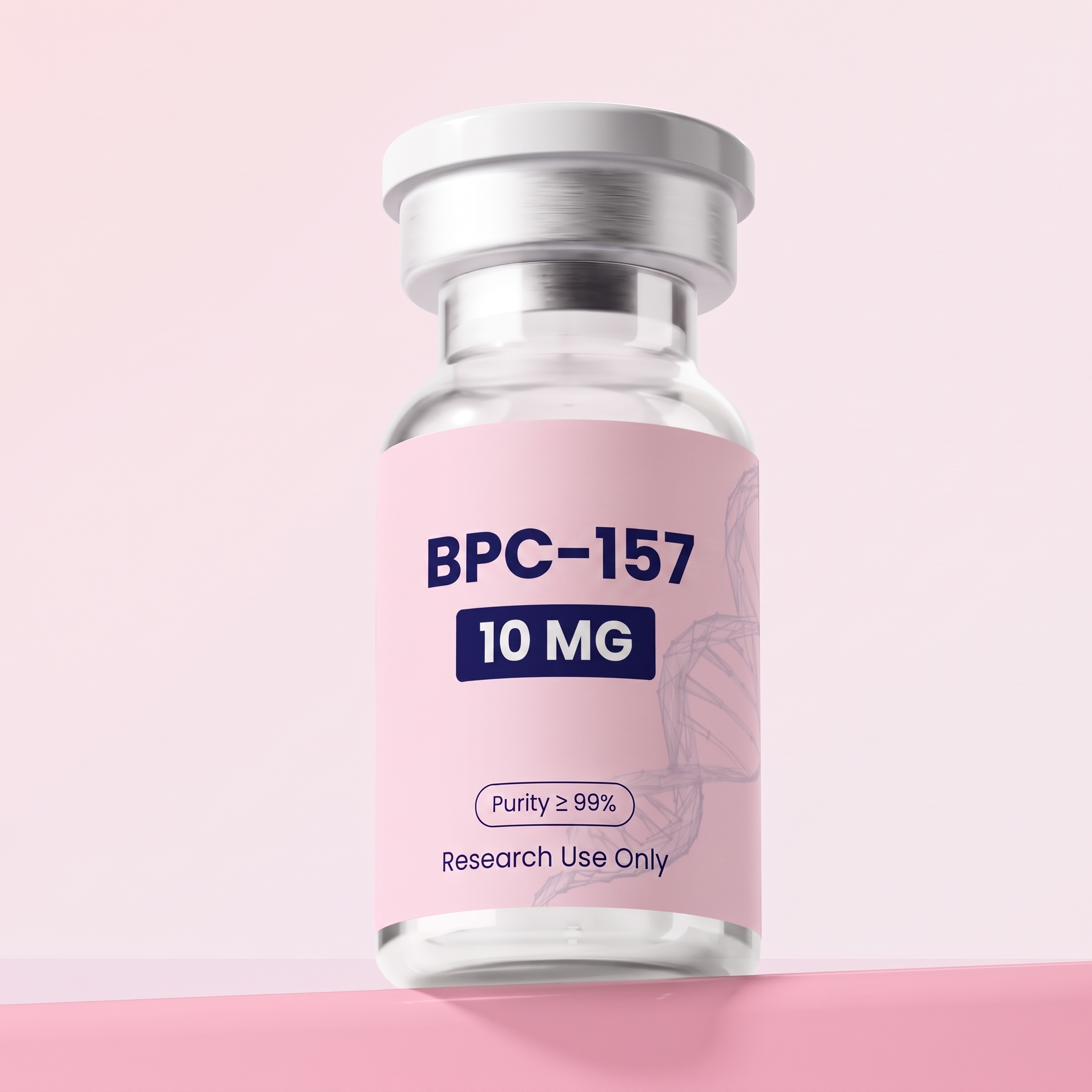
BPC-157 is a synthetic 15-amino-acid peptide (sequence: Gly-Glu-Pro-Pro-Pro-Gly-Lys-Pro-Ala-Asp-Asp-Ala-Gly-Leu-Val, MW ~1419.5 g/mol) derived from a protein found in human gastric juice. It has demonstrated robust regenerative and cytoprotective effects across hundreds of animal studies spanning tendon, ligament, muscle, bone, nerve, GI tract, and blood vessel healing. However, human clinical data is extremely limited — only three pilot studies have examined BPC-157 in humans as of 2025 (knee pain n=16, interstitial cystitis n=12, IV safety n=2). The FDA classifies it as Category 2, prohibiting compounding, and WADA bans its use in sports.
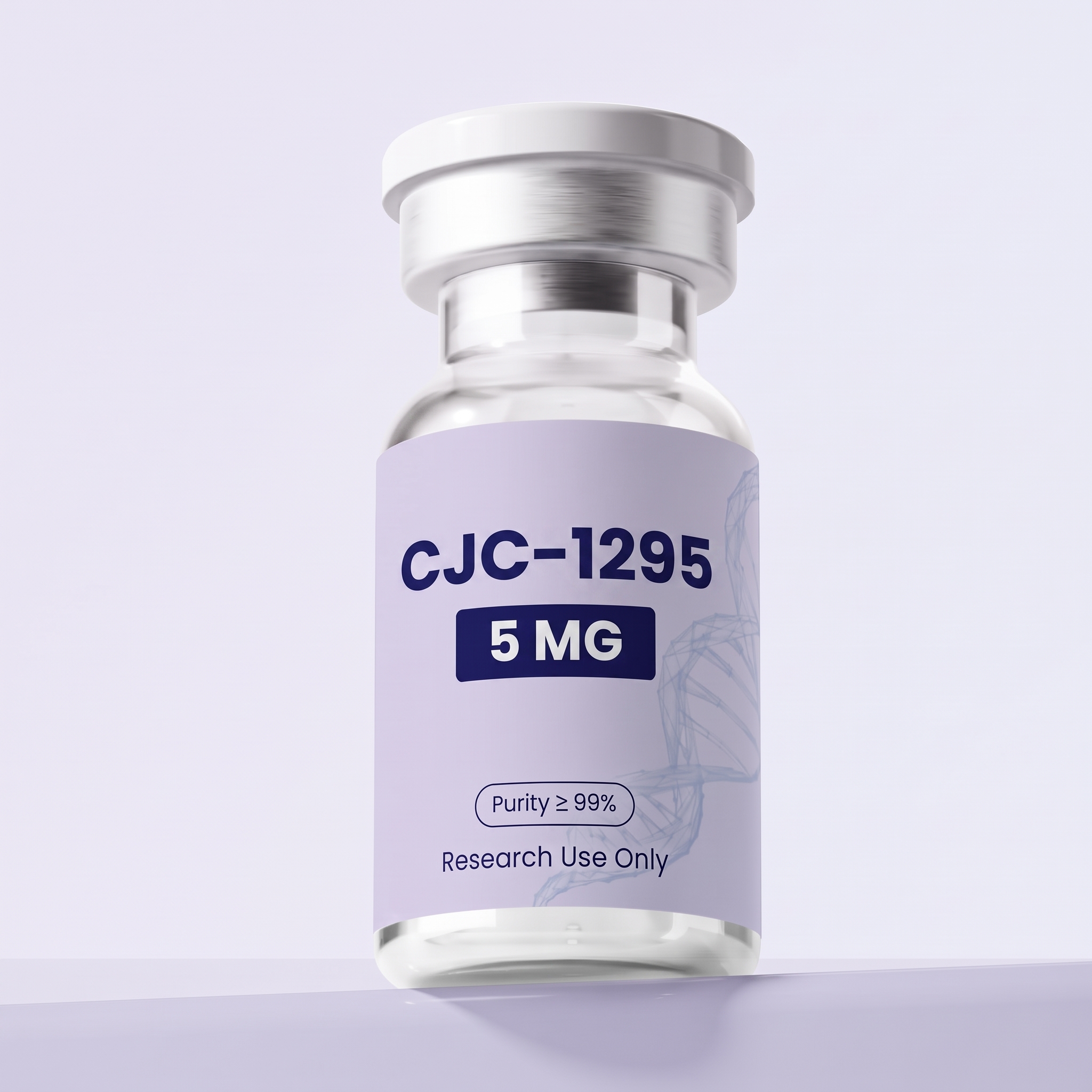
CJC-1295 is a synthetic analogue of growth hormone-releasing hormone (GHRH) originally developed by ConjuChem Technologies for HIV-associated lipodystrophy. It exists in two forms: with DAC (Drug Affinity Complex) for extended half-life of 5.8-8.1 days, and without DAC (Mod GRF 1-29) for shorter, pulsatile release with a half-life of approximately 30 minutes. Two 2006 randomized, placebo-controlled, double-blind clinical trials (Teichman et al.) demonstrated dose-dependent GH increases of 2-10 fold and IGF-1 increases of 1.5-3 fold in healthy adults aged 21-61. The No DAC version is generally considered the safer choice due to its physiological pulsatile pattern.
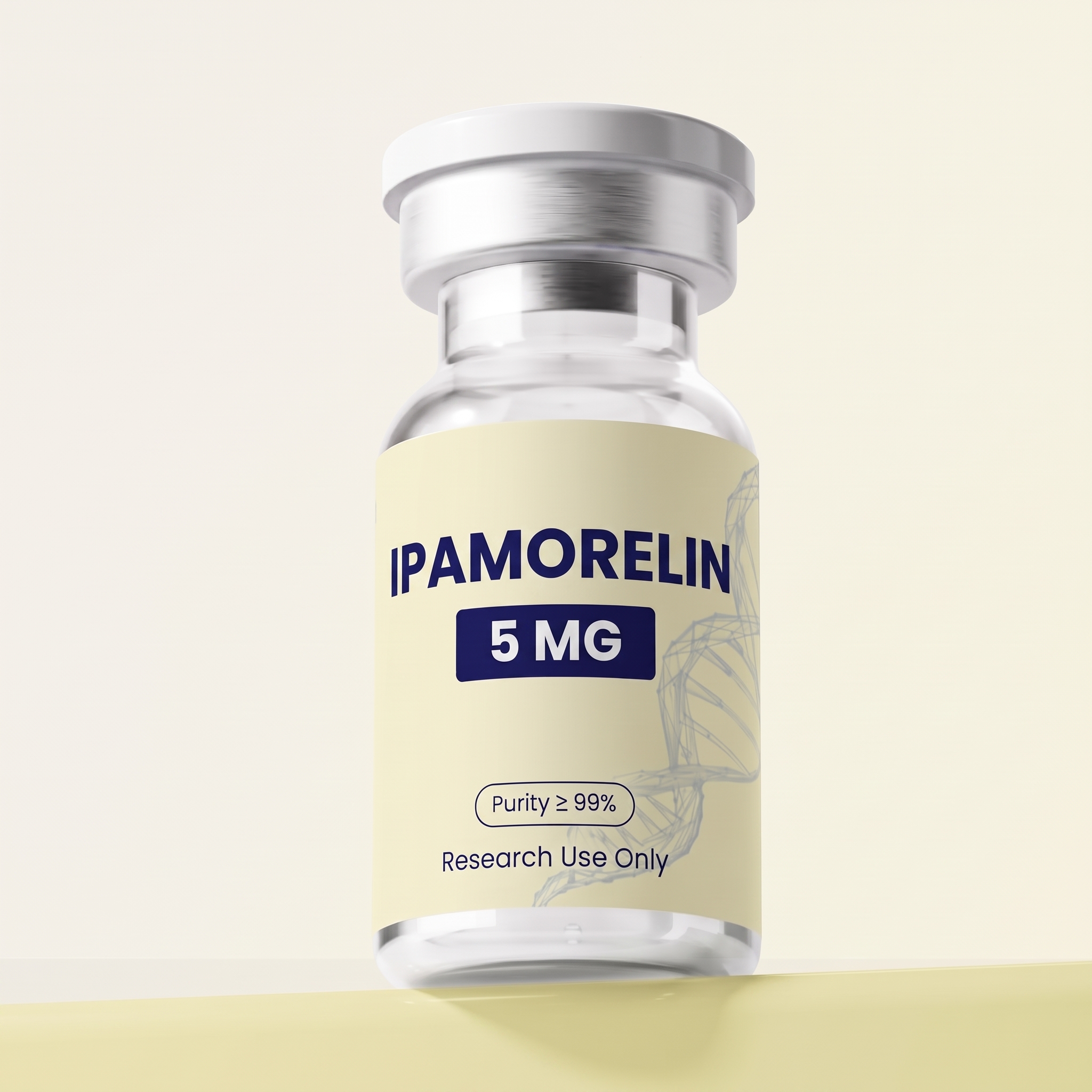
Ipamorelin is the most selective growth hormone secretagogue (GHS) available, a synthetic pentapeptide (MW ~711.86 g/mol, formula C38H49N9O5) that stimulates pulsatile GH release from the pituitary gland without significantly affecting cortisol, prolactin, or appetite. It is widely regarded as the mildest GHS, making it popular in anti-aging, body composition, and recovery contexts. However, research on ipamorelin is limited, and it is not FDA-approved for any indication.
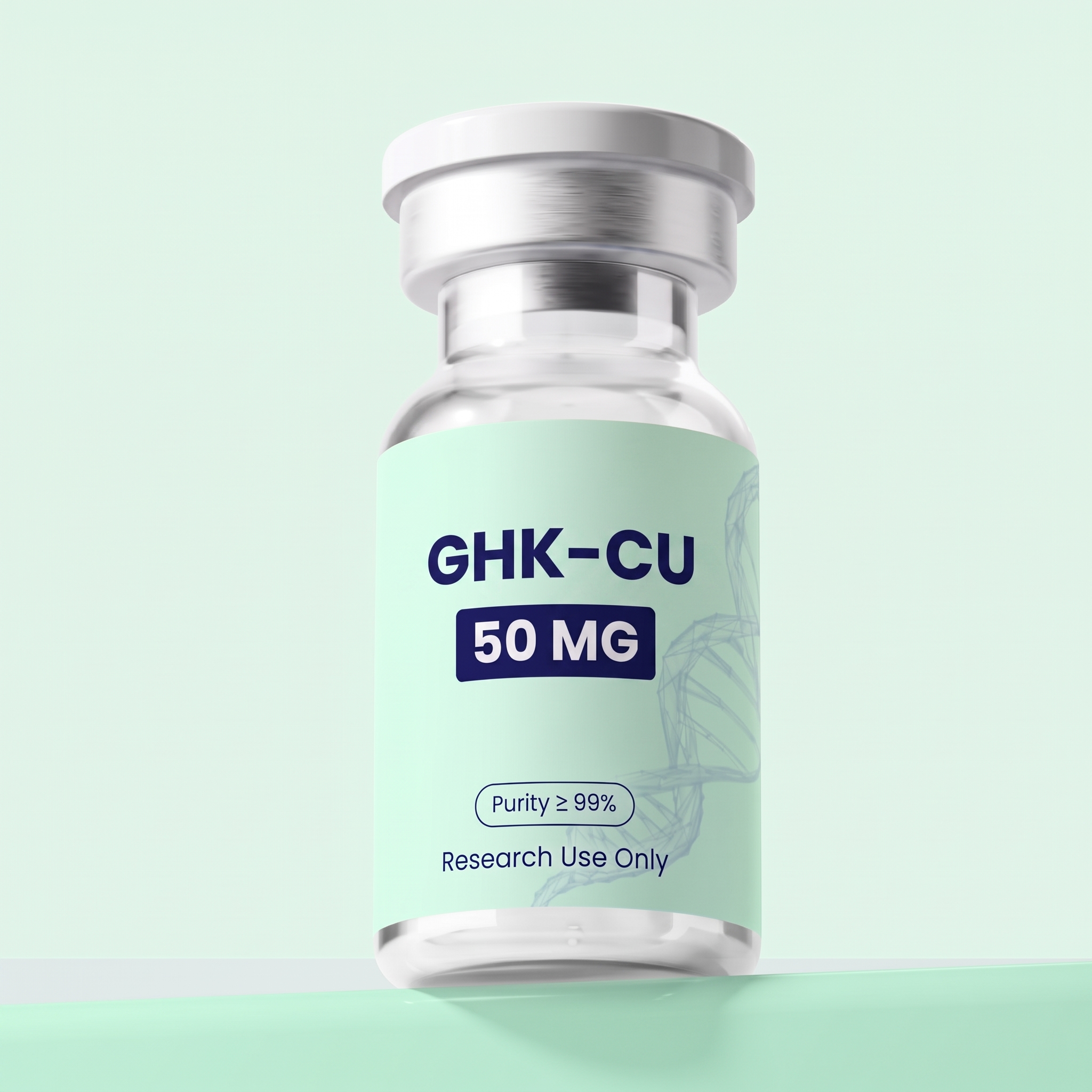
GHK-Cu is a naturally occurring copper-binding tripeptide (glycyl-L-histidyl-L-lysine) found in human plasma, saliva, and urine. First discovered by Dr. Loren Pickart in 1973, plasma levels average 200 ng/mL at age 20 but decline to ~80 ng/mL by age 60. It has been extensively studied for wound healing, collagen synthesis, skin regeneration, and gene modulation, with decades of cosmetic use and a broad safety profile. Molecular weight is approximately 340 g/mol (as the copper complex), with the formula C14H24N6O4Cu.
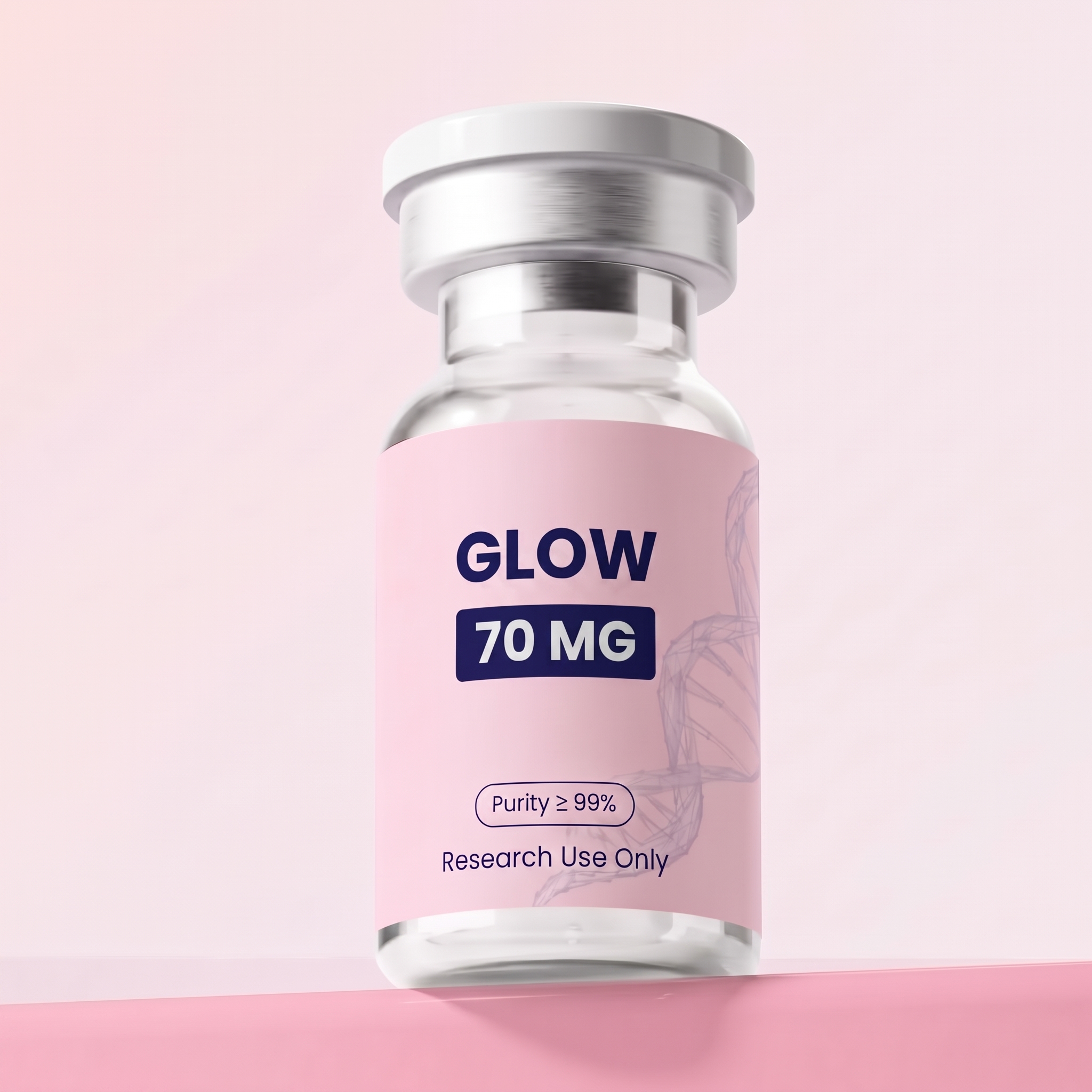
GLOW is a research peptide blend combining GHK-Cu, BPC-157, and TB-500. The individual peptides have been studied in preclinical research related to tissue repair, wound healing, cellular signaling, and recovery pathways. The complete blend has not been clinically validated.
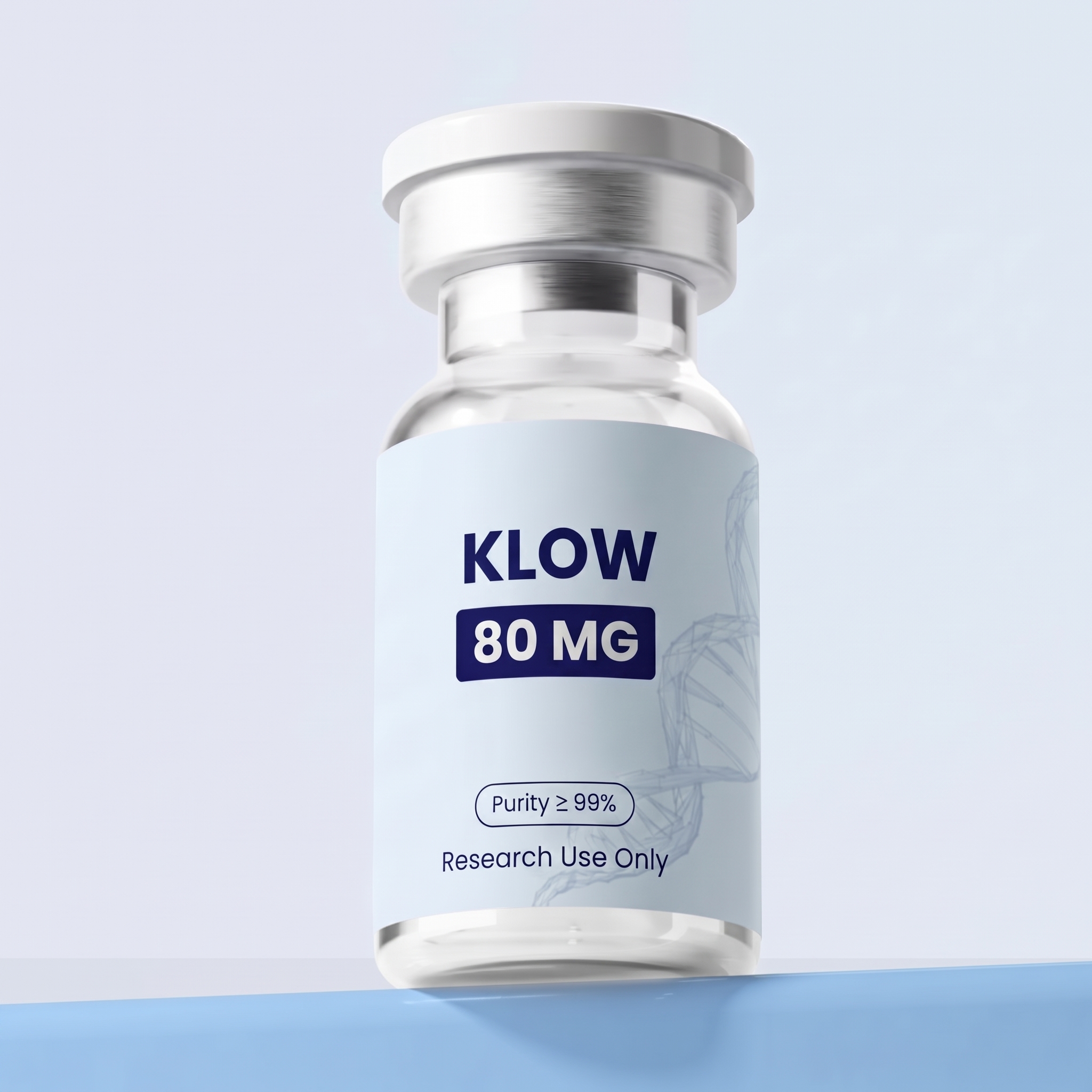
KLOW is a research peptide blend containing GHK-Cu, BPC-157, TB-500, and KPV. Its individual components have been studied in preclinical research involving tissue repair, cellular signaling, and inflammatory pathways, but the complete blend has not been clinically validated.
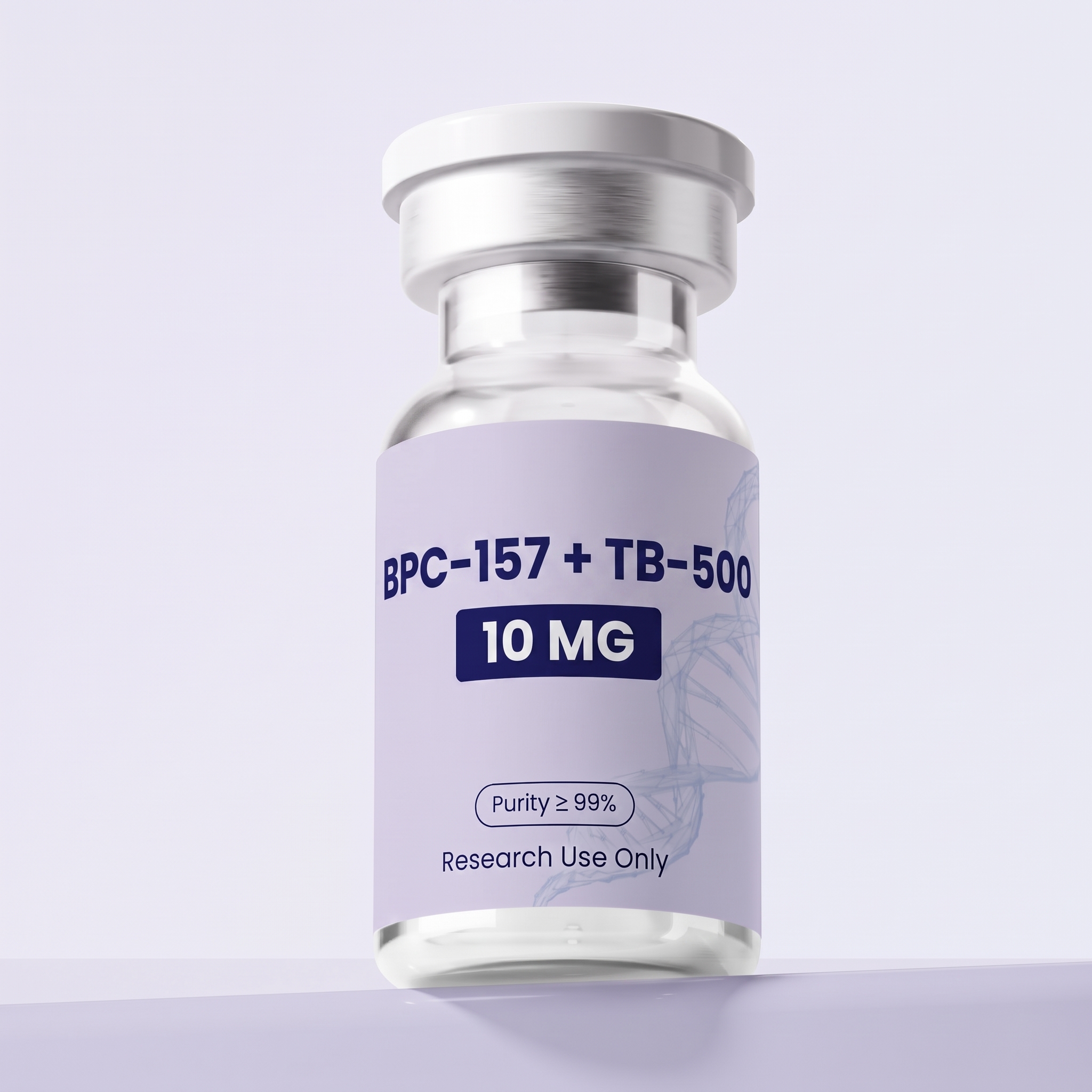
A BPC-157 and TB-500 blend, often called the "Wolverine Stack" is an informal combination of two synthetic peptides studied for tissue repair, cellular movement, and recovery
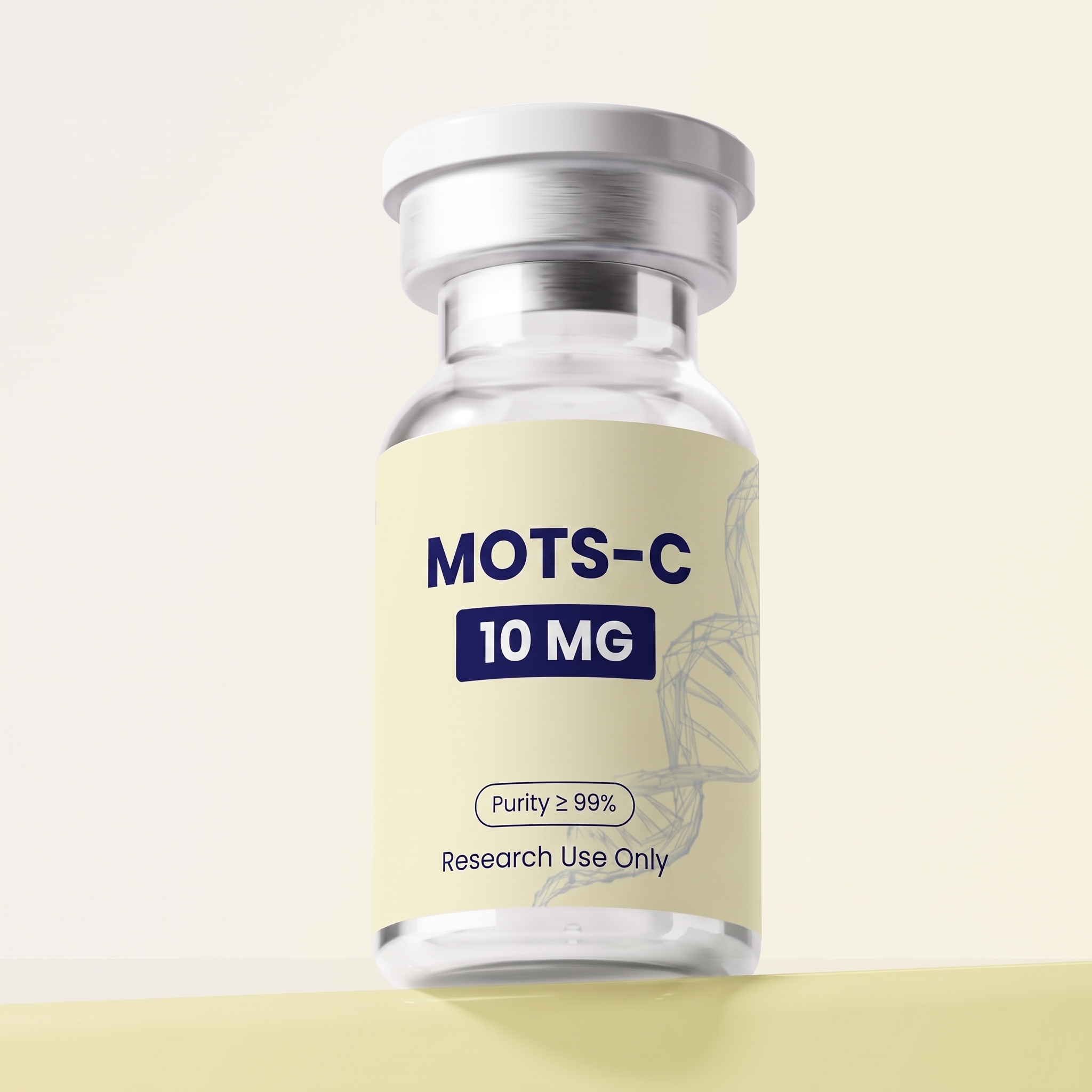
MOTS-c (Mitochondrial Open Reading Frame of the 12S rRNA-c) is a 16-amino-acid mitochondrial-derived peptide (MDP) encoded within the mitochondrial 12S rRNA gene (MT-RNR1). Discovered in 2015 by Lee et al. at USC, it acts as a metabolic regulator primarily through AMPK activation. In mouse models, MOTS-c prevents diet-induced obesity and insulin resistance, enhances exercise capacity (old mice ran 2x longer on treadmill tests), and reduces age-related metabolic decline. A modified analog (CB4211) showed good tolerability in a Phase 1 human trial. No clinical trials of native MOTS-c in humans have been completed.
This site is a example for how do ecommerce!! Quick, easy and always helpfull. One of the best and very RECOMMENDED!! 5 stars!!
5.0Goda· Latvia
Sep 15, 2026
BPC-157
Best customer service I’ve experienced in a long time. I had some issues with shipping, and they were resolved immediately. I can’t comment on the products yet, but the customer support is top-notch!
5.0Dee· Sweden
Sep 15, 2026
Retatrutide
I waited for a couple of weeks before I posted my review. My order had a bit of a hiccup getting through (my payment wasn't processed) but Adrian helped me immediately after I sent a mail. My products arrived safely and after a couple of weeks of research testing, I can confirm they work as intended. I will be ordering from Certa again :)
4.0michael iacovides· Cyprus
Sep 15, 2026
BPC-157
The delivery tracking was not displaying properly, but customer support assured me that the package was on its way.
They communicated with me several times throughout the process regarding my enquiries.
In the end, I received the package wrapped and sealed in a small box. All the experimental vials were inside, with no issues or concerns.
I'll definitely order again!
 Pep Grading