US-based supplier of research-use-only peptides (vials, capsules, sprays, topical serums) with batch COAs from third-party US labs; same-day shipping on weekday orders before 2pm EST.
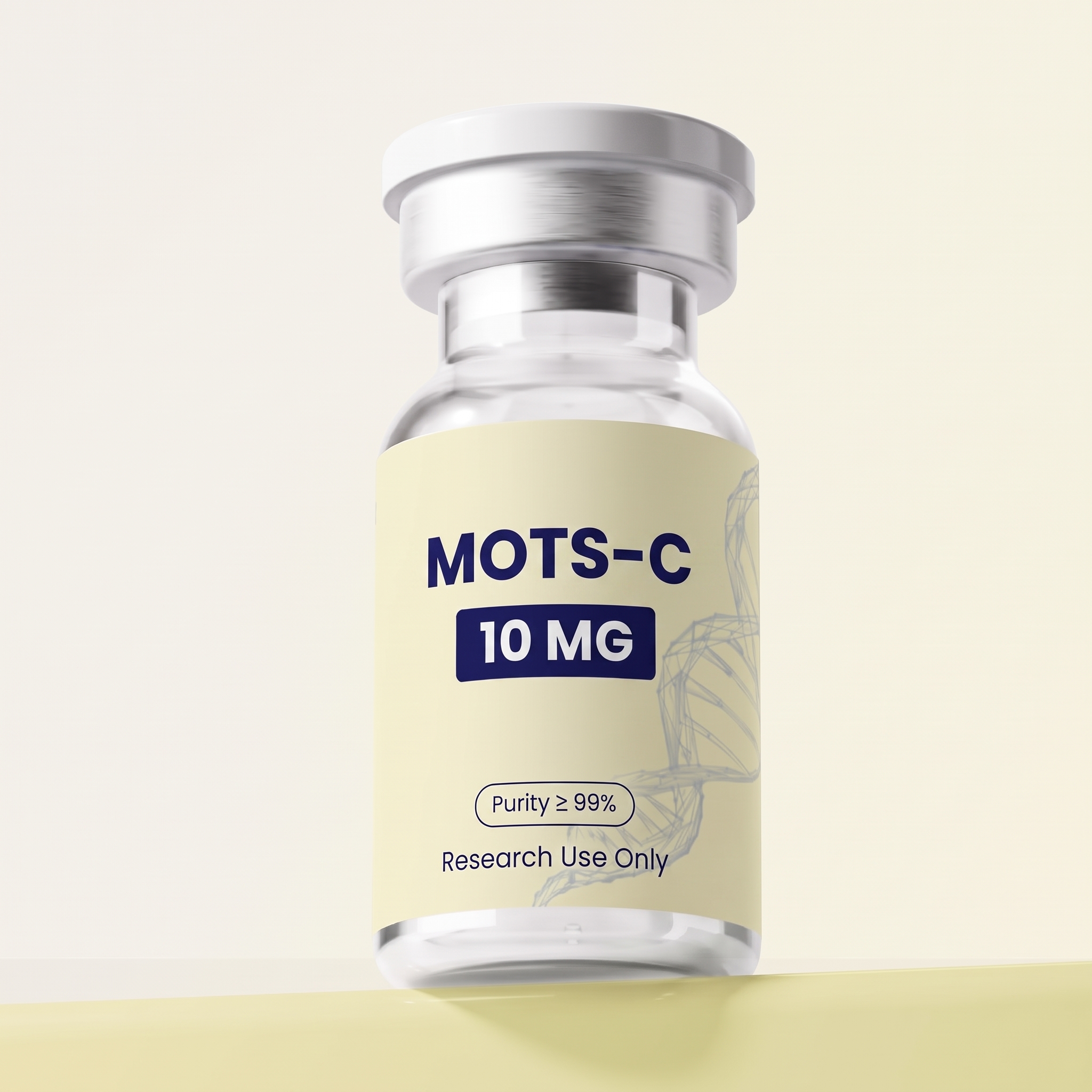
MOTS-c is a 16-amino-acid mitochondrial-derived peptide encoded by a short open reading frame in the mitochondrial 12S rRNA region. Peptide Grading tracks MOTS-c vendors, quantities, prices, shipping details, and COA information to make research-product listings easier to compare.
A mitochondria-targeted tetrapeptide that binds cardiolipin in the inner mitochondrial membrane. Elamipretide is FDA-approved as Forzinity for Barth syndrome.
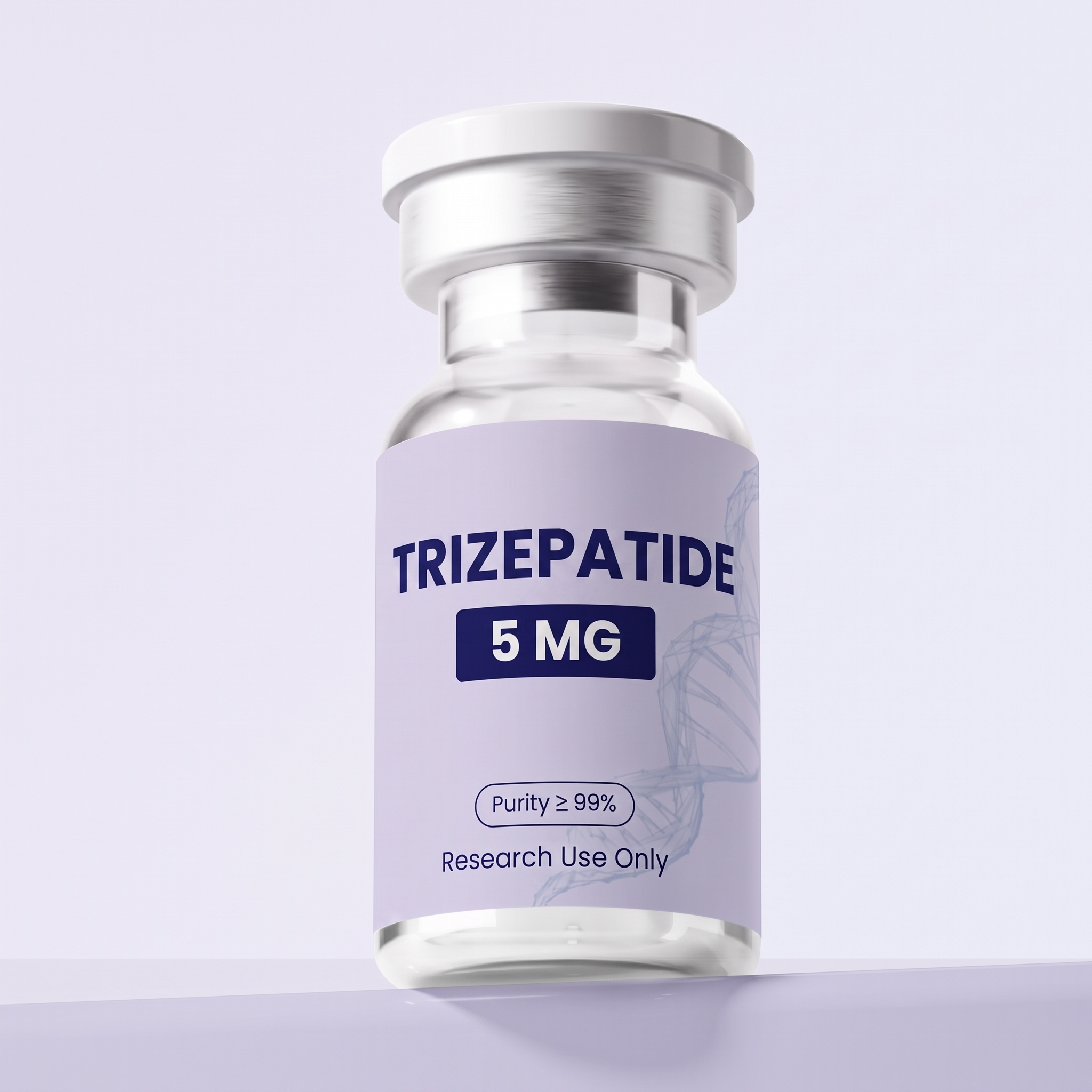
Tirzepatide is a first-in-class dual GIP and GLP-1 receptor agonist developed by Eli Lilly, FDA-approved for type 2 diabetes (Mounjaro) and chronic weight management (Zepbound) including severe obstructive sleep apnea in adults with obesity. It is a 39-amino-acid peptide with a C20 fatty di-acid moiety that promotes albumin binding, enabling once-weekly dosing. Clinical trials consistently demonstrate it delivers the most substantial weight reduction among incretin-based therapies, with up to 22.5% mean body weight loss at 72 weeks.
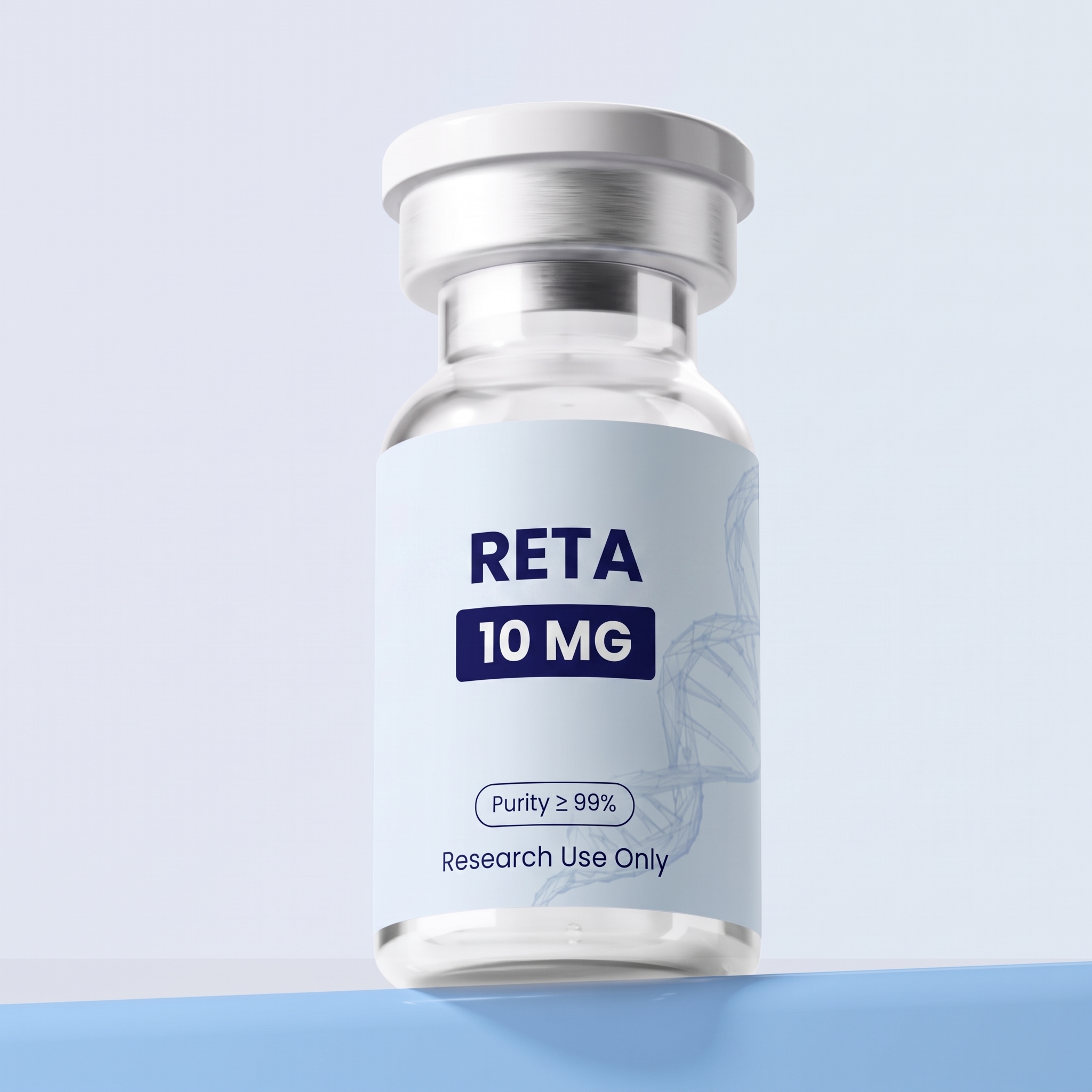
Retatrutide is an experimental once-weekly injection from Eli Lilly (internal code LY3437943). It's a single molecule that activates three receptors: GIP, GLP-1, and glucagon. Tirzepatide covers the first two, and retatrutide adds the third. It isn't approved anywhere, for anything. Lilly has said it plans to file with the FDA in the first quarter of 2027. On Peptide Grading , we list the research-labeled vials with sizes, price per mg, and COAs side by side. Being listed there isn't an endorsement, and those vials aren't Lilly's product.
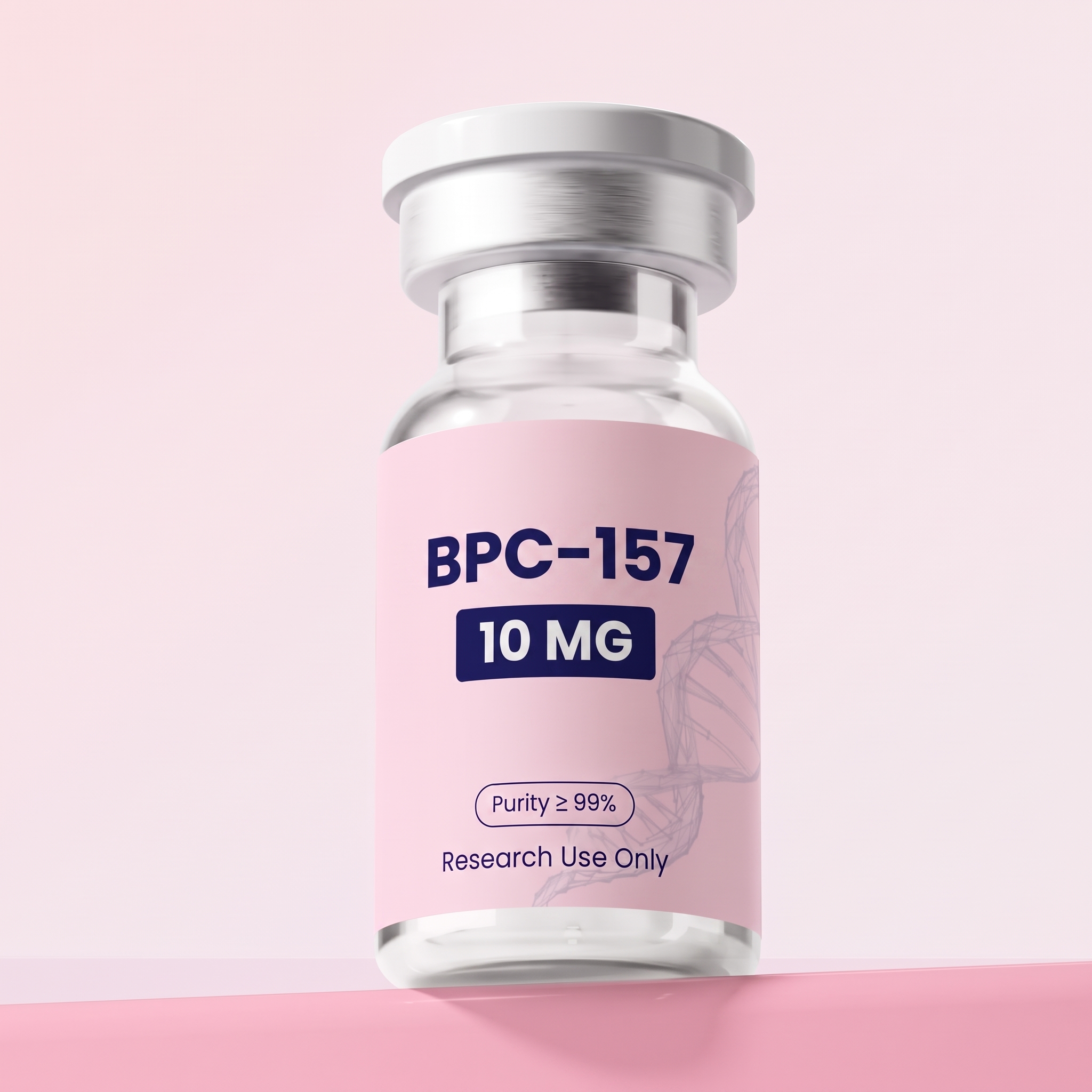
BPC-157 is a 15-amino-acid peptide first described from gastric juice. Most of the published work is preclinical, with studies covering tendon, muscle, gastrointestinal, vascular, and other injury models. Researchers have looked at several signaling pathways, including VEGFR2, nitric oxide, Akt-eNOS, and ERK1/2 . Other work has focused on angiogenesis, fibroblast activity, endothelial responses, and inflammation. Human data are still sparse. Small studies have looked at knee pain, interstitial cystitis, and intravenous safety and pharmacokinetics , but the number of human studies remains small and larger controlled trials are not available.
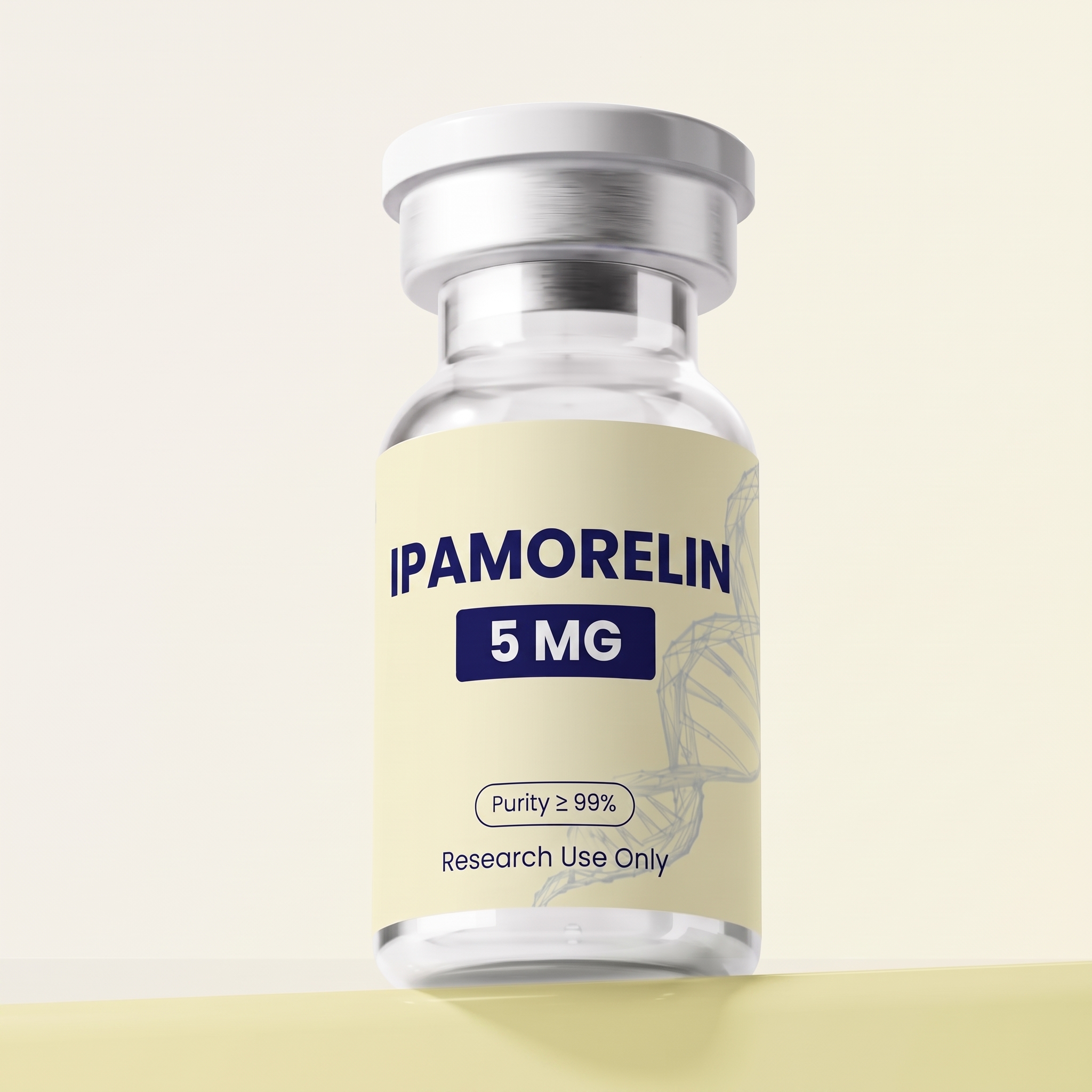
Ipamorelin is a five-amino-acid peptide that switches on the ghrelin receptor and makes the pituitary release growth hormone. Novo Nordisk researchers built it in the 1990s, and what made it interesting was how narrow its effect looked. Older compounds in the same family pushed up other hormones too. Ipamorelin mostly didn't. It has no approved use anywhere. A Phase 2 trial in the early 2000s tried it for a bowel problem after surgery, and it didn't work well enough to continue. So what's left is mostly lab and animal data, and the research-labeled vials that vendors sell. On Peptide Grading , we list those vials with vendors, sizes, price per mg, and COA documents in one place, so you can compare them without hunting through tabs.
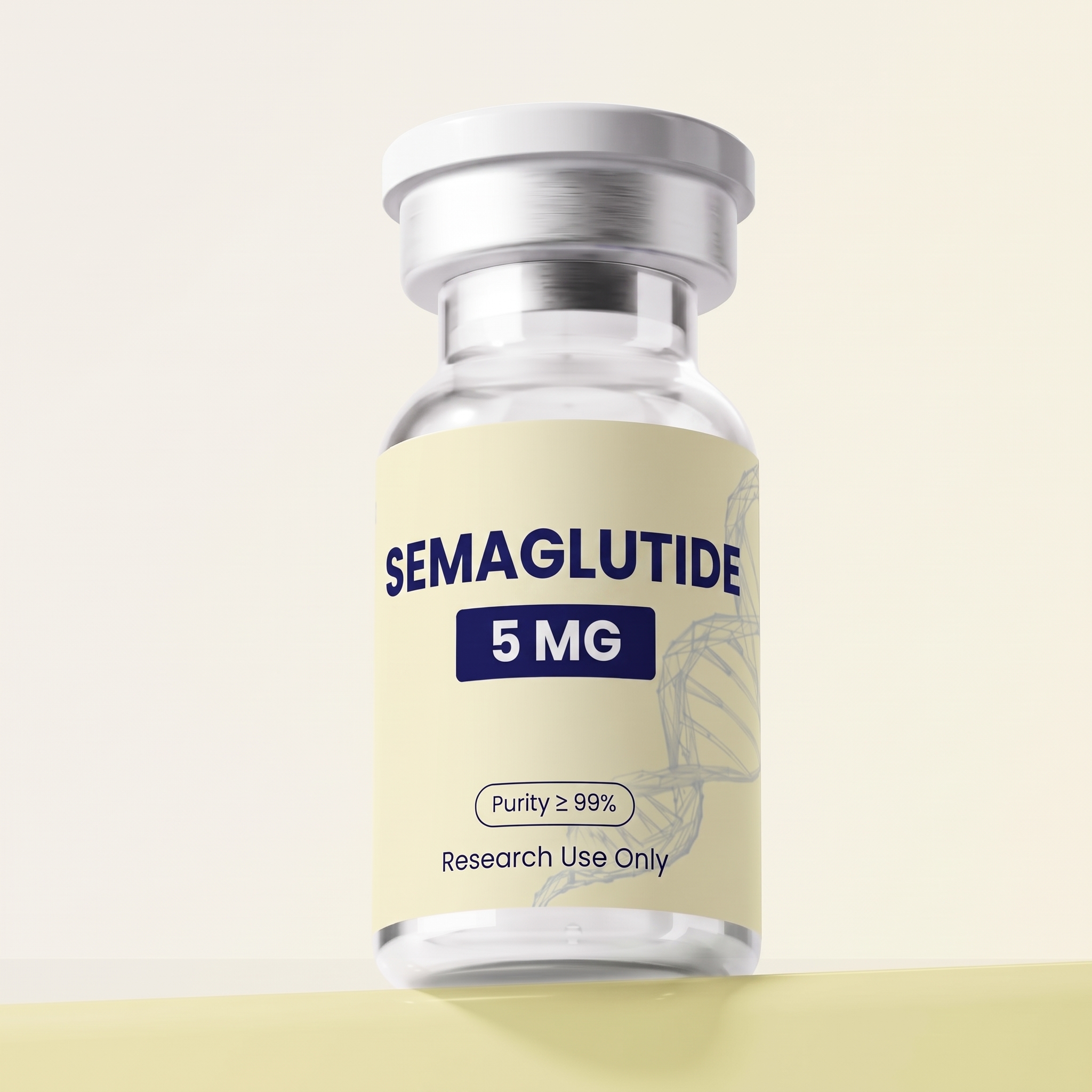
Semaglutide started as something your own gut already makes. GLP-1 nudges the pancreas to release insulin and tells your brain you've eaten enough, and then it's gone in a couple of minutes. Not much use as a drug. So Novo Nordisk kept editing the molecule until it lasted about a week. That version ended up in Ozempic, Rybelsus, and Wegovy. The first two are for type 2 diabetes; Wegovy is the weight one, and you can't get any of them without a prescription. Most compounds on a research-peptide site have no approved use at all. Semaglutide does, and that changes how everything below should be read. Peptide Grading lists research-labeled semaglutide listings so vendors, vial sizes, price per mg, and COA documents sit side by side. A listing here is not the same thing as the prescription product.
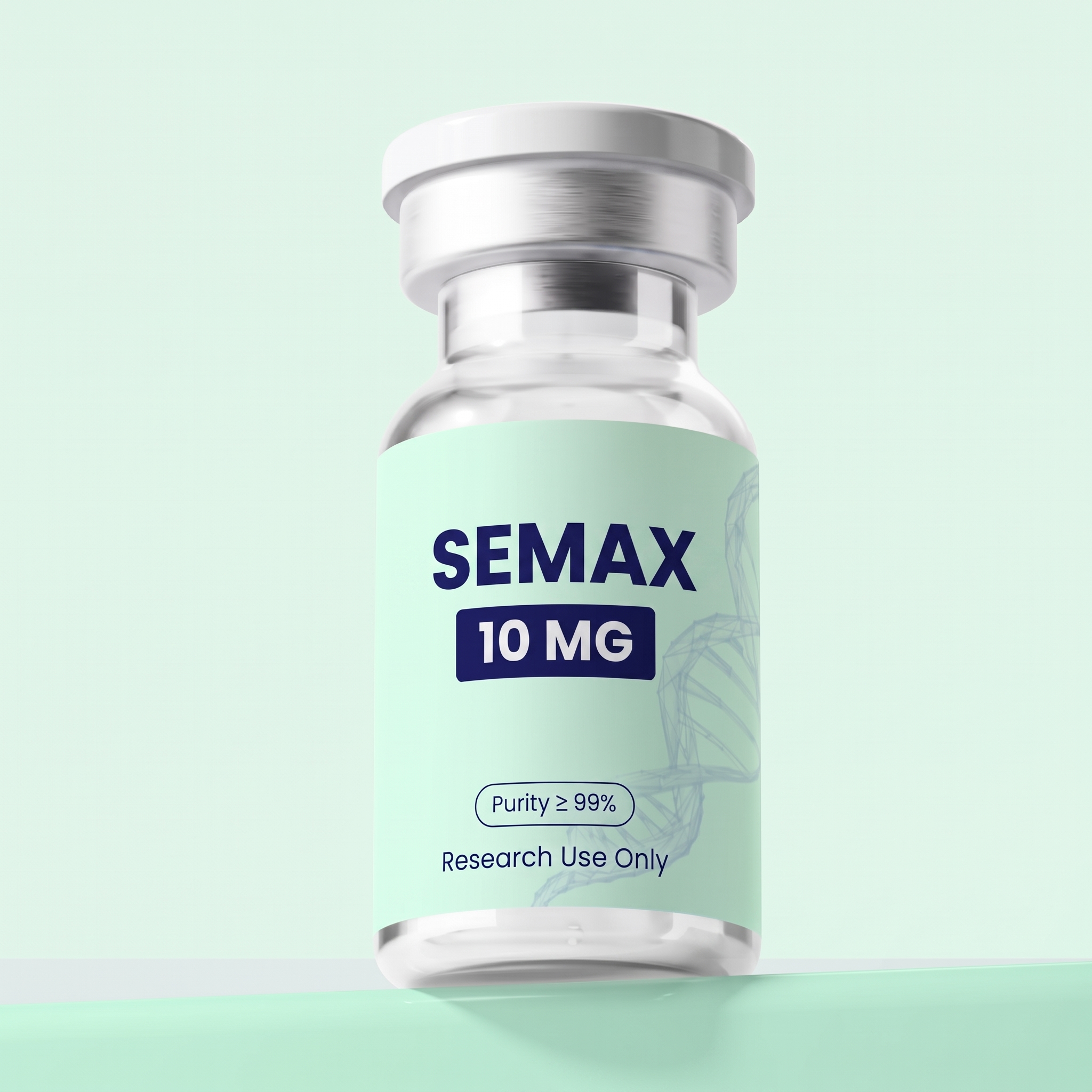
Semax is a synthetic seven-amino-acid peptide derived from ACTH(4–7) with an added Pro-Gly-Pro sequence. Research has mainly examined its effects on neurotrophic signaling, cerebral ischemia, and cellular responses in the nervous system. The evidence includes experimental studies and some clinical research, but its clinical and regulatory status varies by jurisdiction.
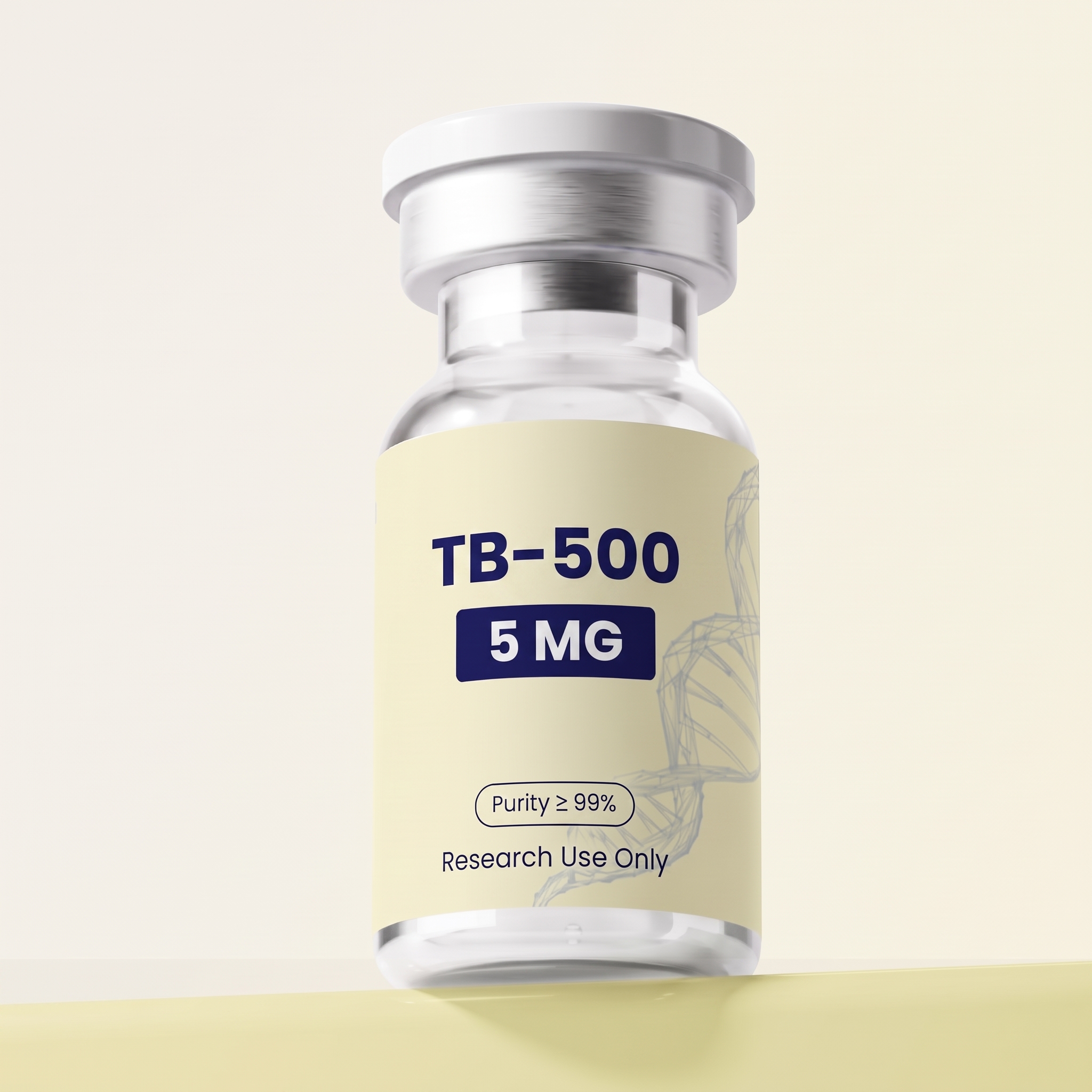
TB-500 is a synthetic peptide commonly identified as the N-terminal acetylated LKKTETQ fragment of thymosin beta-4. Research has focused on its molecular relationship to actin, cell migration, angiogenesis, and other cellular response pathways. Peptide Grading check TB-500 listings, pricing, vendor information, and COA details
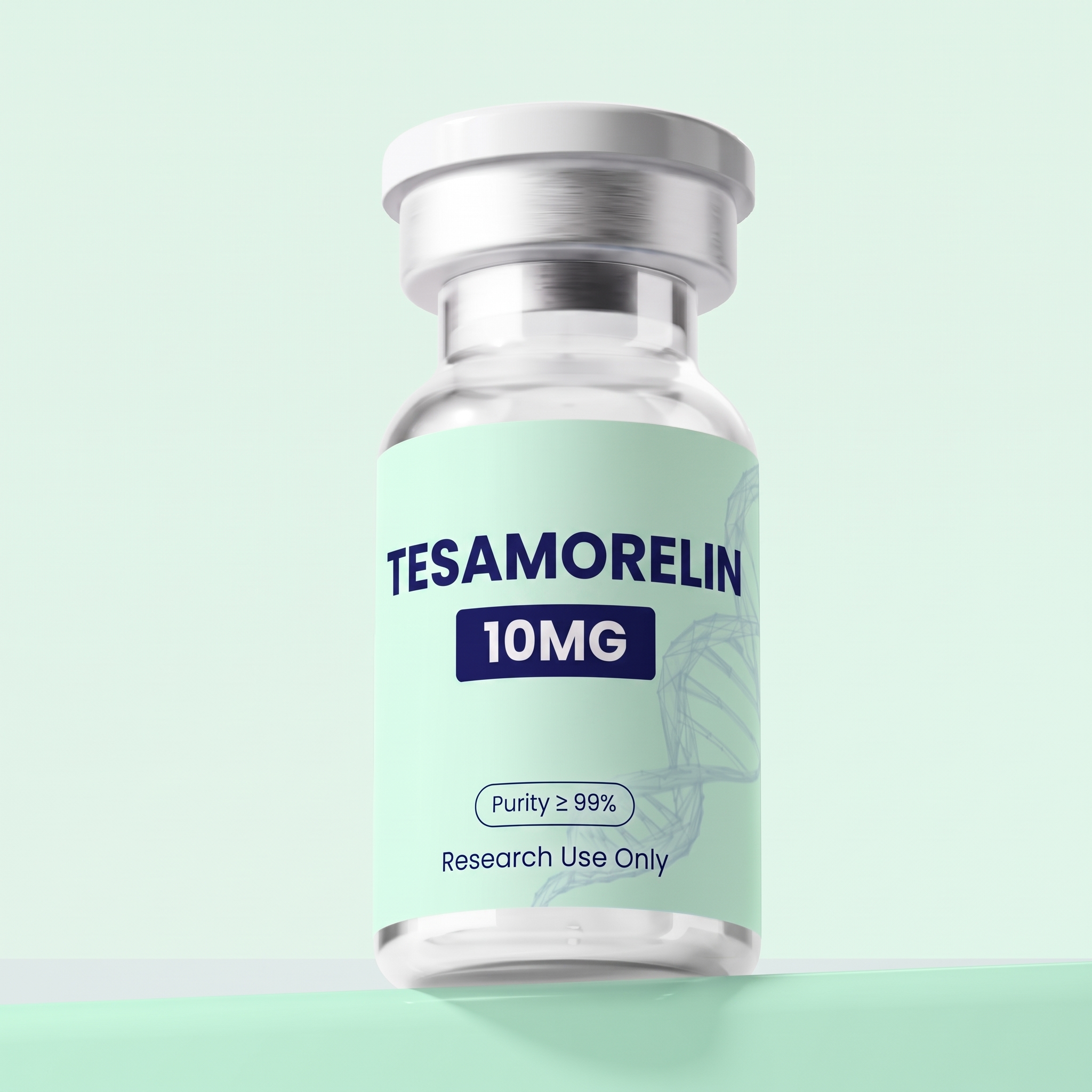
Tesamorelin is a synthetic 44-amino-acid analogue of human growth hormone-releasing factor (GRF). The peptide carries an N-terminal hexenoyl group, a structural change that distinguishes it from native GRF while retaining activity at the GRF receptor. Tesamorelin has been studied extensively in human endocrine research, particularly in work involving growth hormone release and IGF-1 response. Peptide Grading compares current listings by supplier, quantity, stated specifications, COA availability, shipping, and price per mg.
 Peptide Grading