27 live listings from $44.99 – $79.99 · 10% off with code ALICE10
Discounted only
Retatrutide
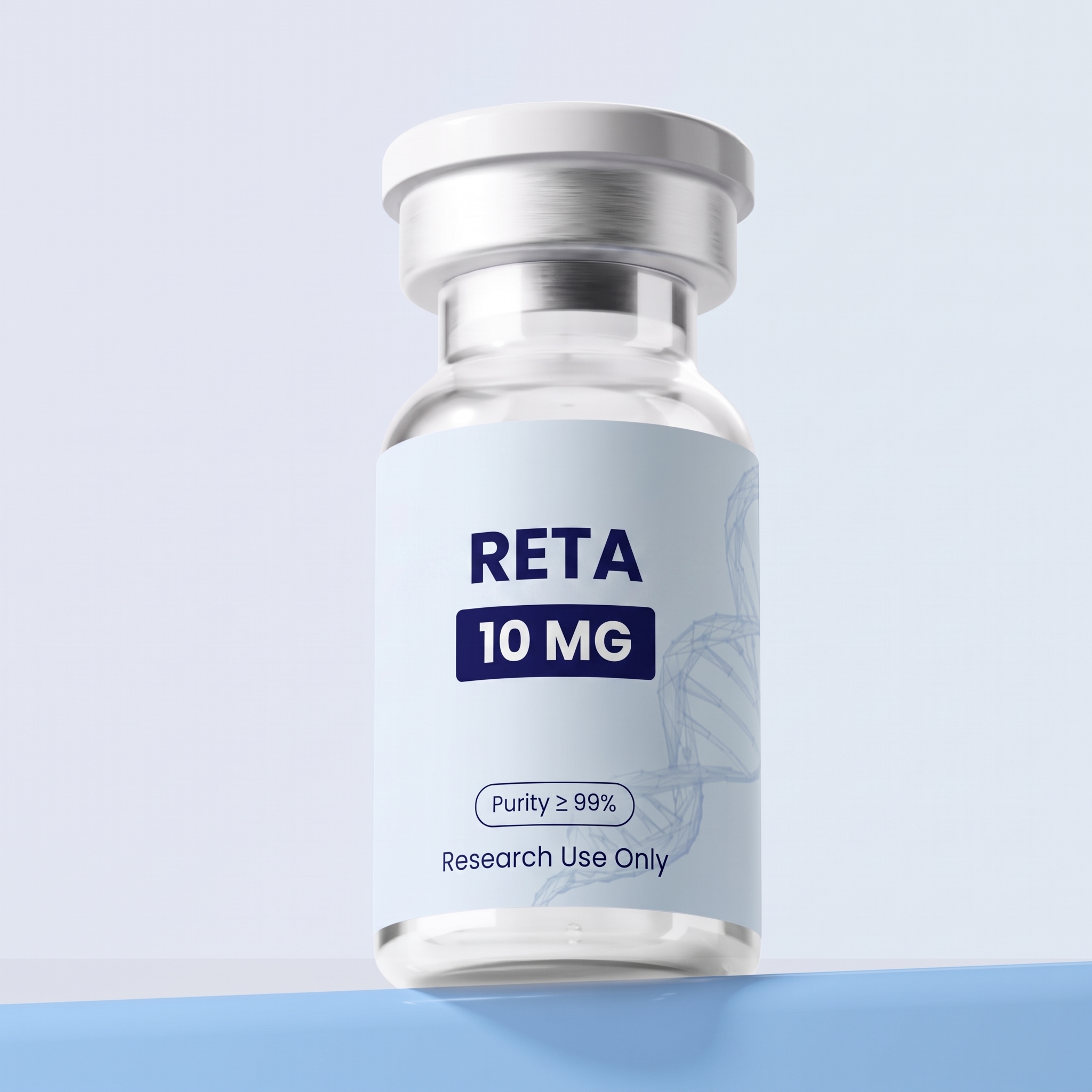
Retatrutide is an experimental once-weekly injection from Eli Lilly (internal code LY3437943). It's a single molecule that activates three receptors: GIP, GLP-1, and glucagon. Tirzepatide covers the first two, and retatrutide adds the third. It isn't approved anywhere, for anything. Lilly has said it plans to file with the FDA in the first quarter of 2027. On Peptide Grading , we list the research-labeled vials with sizes, price per mg, and COAs side by side. Being listed there isn't an endorsement, and those vials aren't Lilly's product.
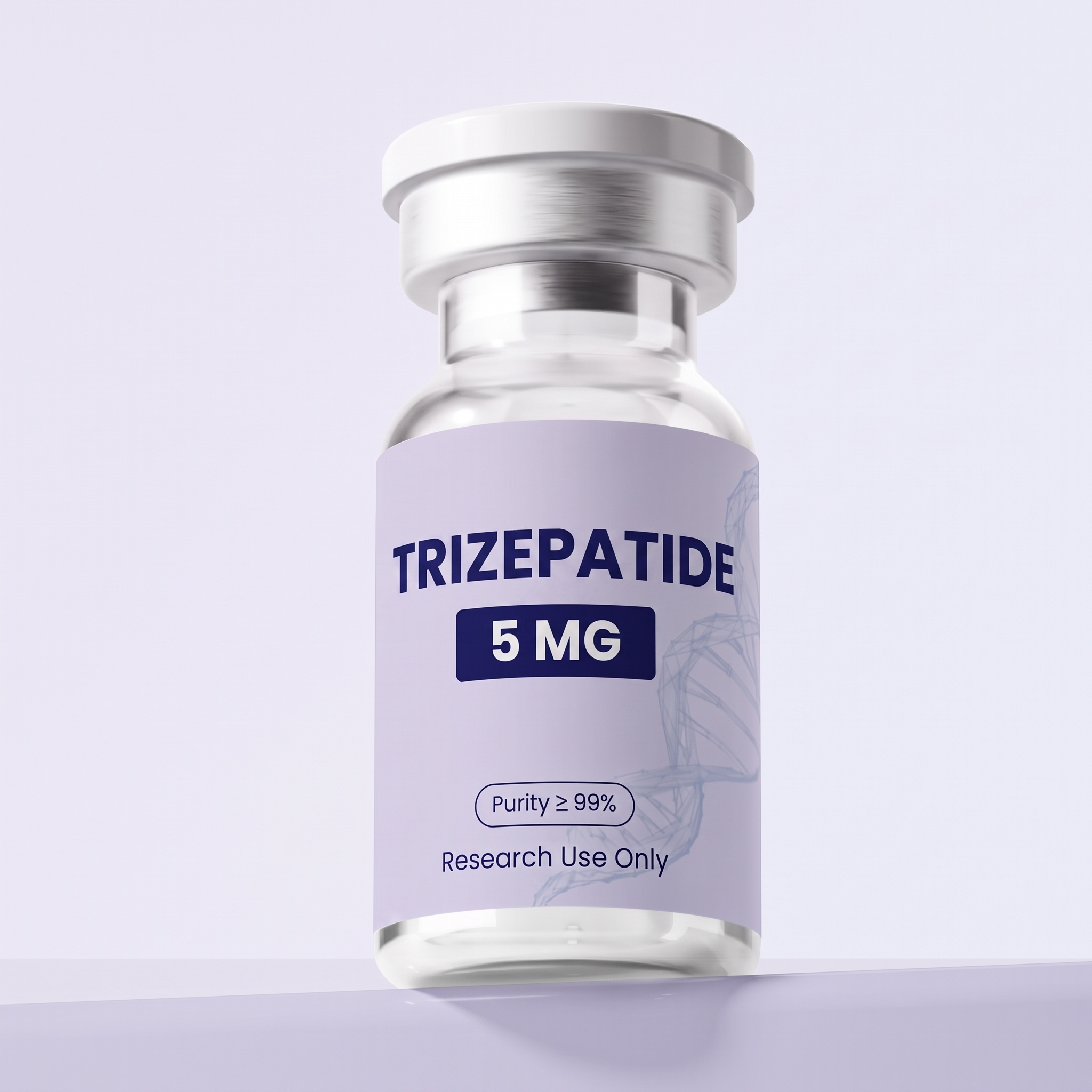
Tirzepatide is a first-in-class dual GIP and GLP-1 receptor agonist developed by Eli Lilly, FDA-approved for type 2 diabetes (Mounjaro) and chronic weight management (Zepbound) including severe obstructive sleep apnea in adults with obesity. It is a 39-amino-acid peptide with a C20 fatty di-acid moiety that promotes albumin binding, enabling once-weekly dosing. Clinical trials consistently demonstrate it delivers the most substantial weight reduction among incretin-based therapies, with up to 22.5% mean body weight loss at 72 weeks.
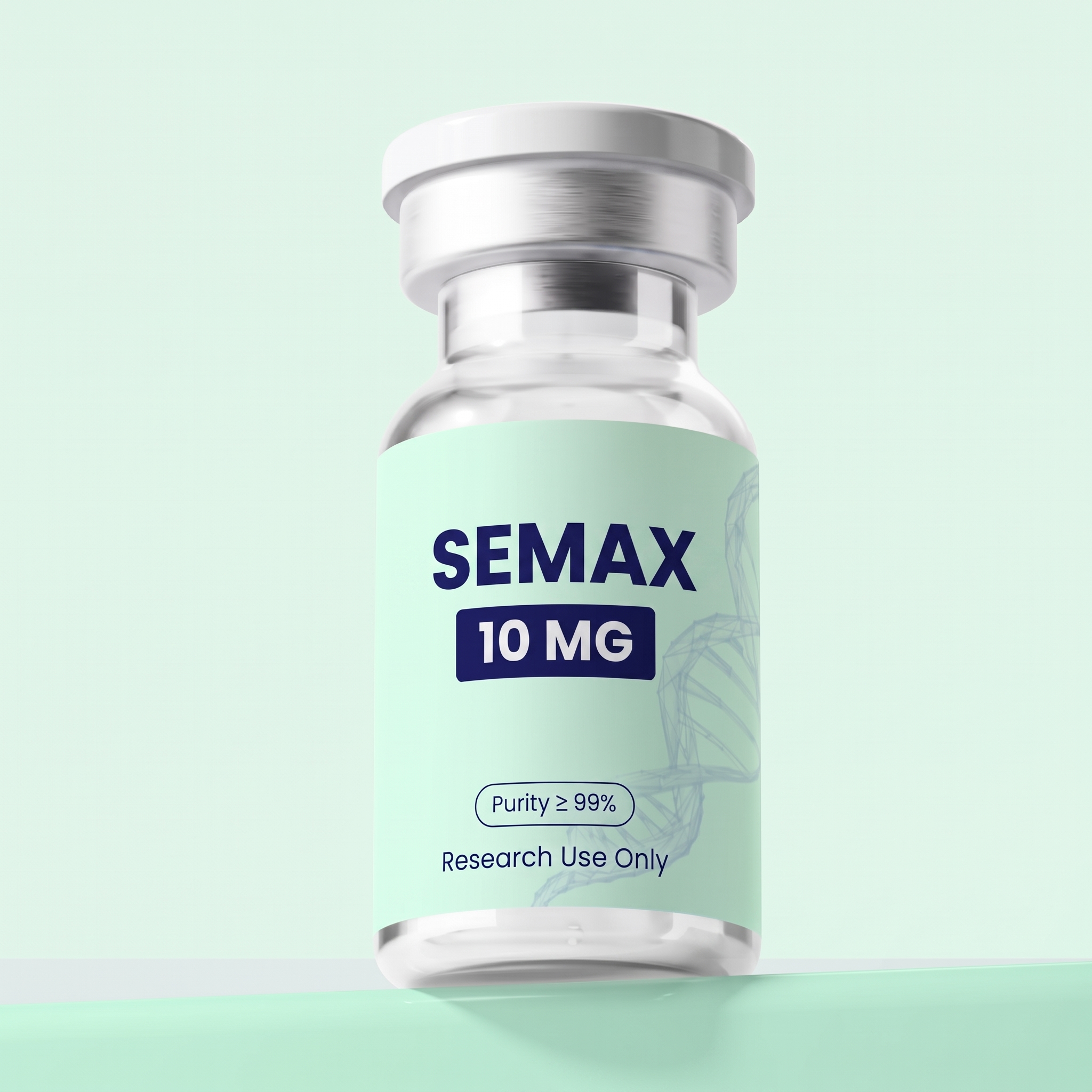
Semax is a synthetic seven-amino-acid peptide derived from ACTH(4–7) with an added Pro-Gly-Pro sequence. Research has mainly examined its effects on neurotrophic signaling, cerebral ischemia, and cellular responses in the nervous system. The evidence includes experimental studies and some clinical research, but its clinical and regulatory status varies by jurisdiction.
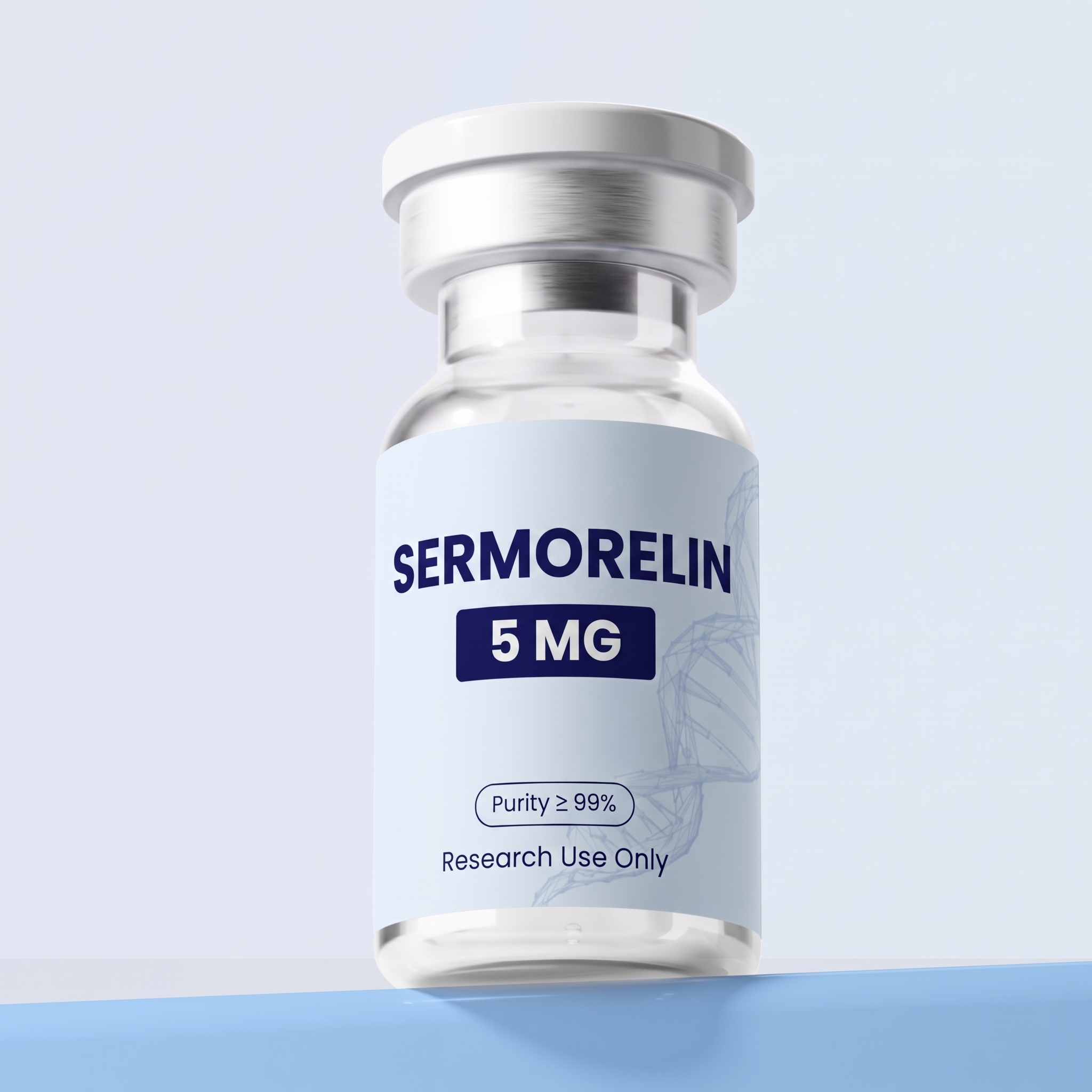
Sermorelin is the amidated 1–29 fragment of human growth hormone-releasing hormone (GHRH), with the peptide sequence YADAIFTNSYRKVLGQLSARKLLQDIMSR-NH₂. It has been studied extensively in human endocrine research, particularly for growth hormone (GH) release, pituitary responsiveness, dose-related responses, feedback mechanisms, and factors that influence GHRH-stimulated GH secretion. Peptide Grading compares current Sermorelin listings by supplier, quantity, specifications, COA availability, shipping, and price per mg.
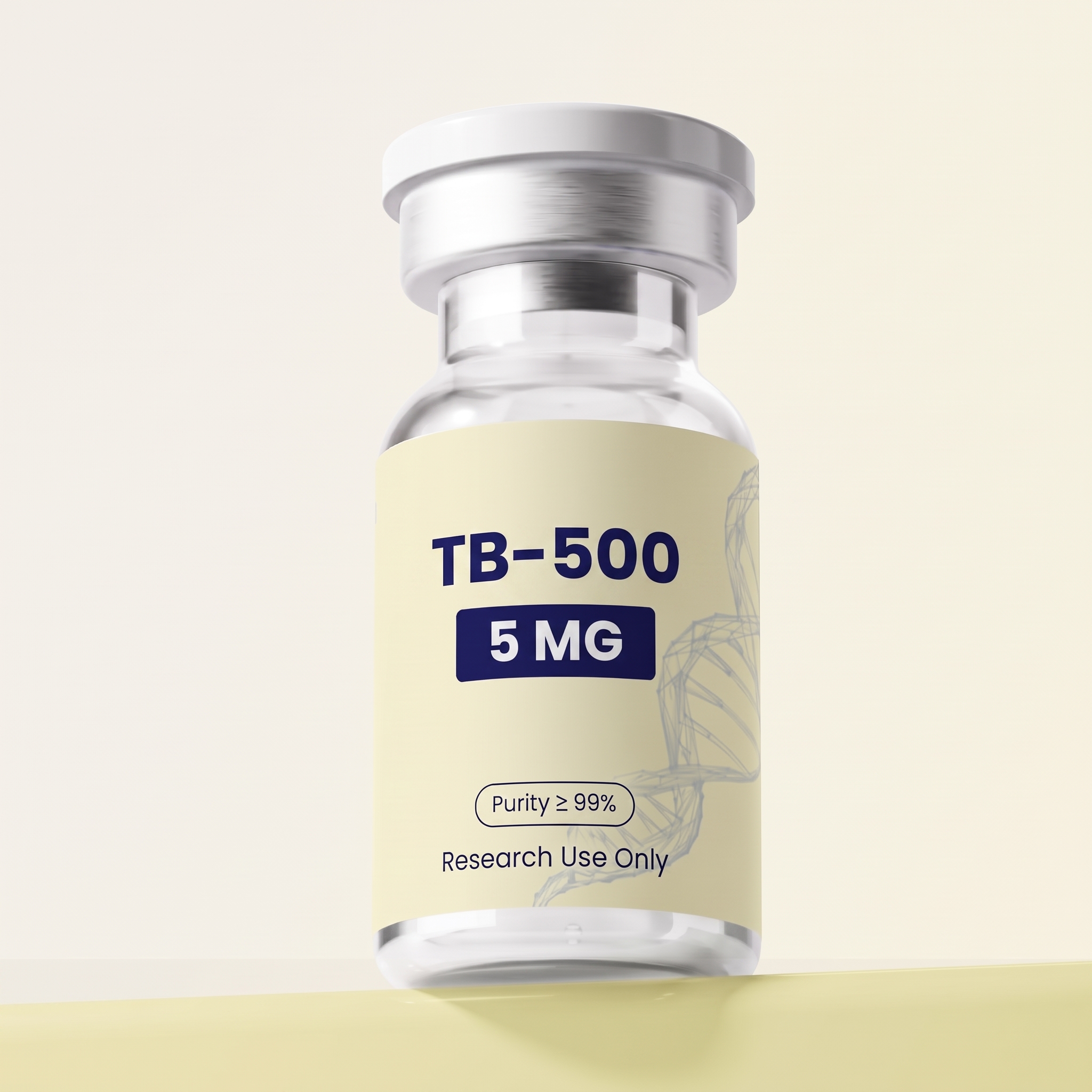
TB-500 is a synthetic peptide commonly identified as the N-terminal acetylated LKKTETQ fragment of thymosin beta-4. Research has focused on its molecular relationship to actin, cell migration, angiogenesis, and other cellular response pathways. Peptide Grading check TB-500 listings, pricing, vendor information, and COA details
AOD-9604 is a modified fragment of human growth hormone (amino acids 176-191 with an added tyrosine). It was developed to study growth hormone's effect on fat breakdown without its effects on growth or blood sugar, and reached human weight-loss trials before development stopped.
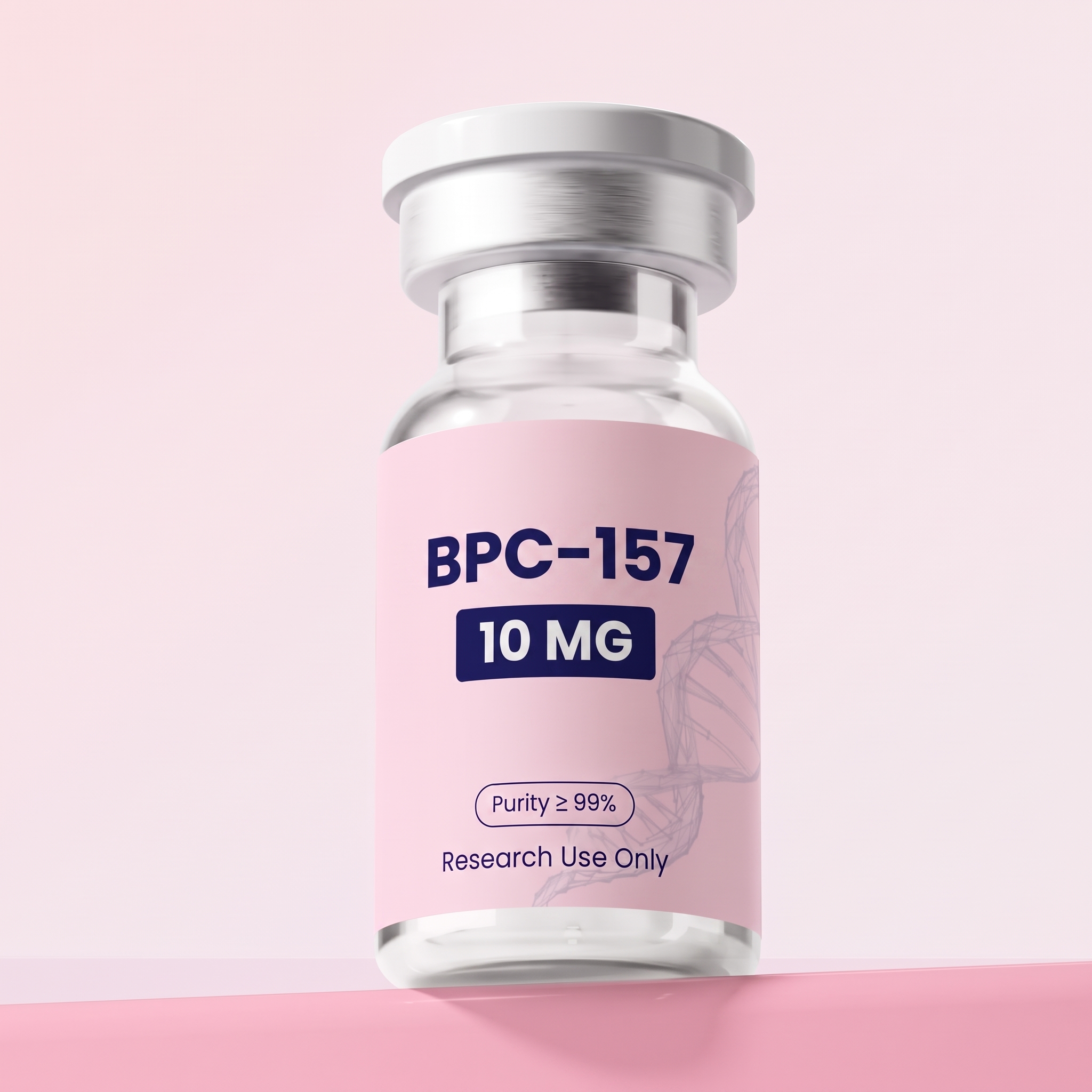
BPC-157 is a 15-amino-acid peptide first described from gastric juice. Most of the published work is preclinical, with studies covering tendon, muscle, gastrointestinal, vascular, and other injury models. Researchers have looked at several signaling pathways, including VEGFR2, nitric oxide, Akt-eNOS, and ERK1/2 . Other work has focused on angiogenesis, fibroblast activity, endothelial responses, and inflammation. Human data are still sparse. Small studies have looked at knee pain, interstitial cystitis, and intravenous safety and pharmacokinetics , but the number of human studies remains small and larger controlled trials are not available.
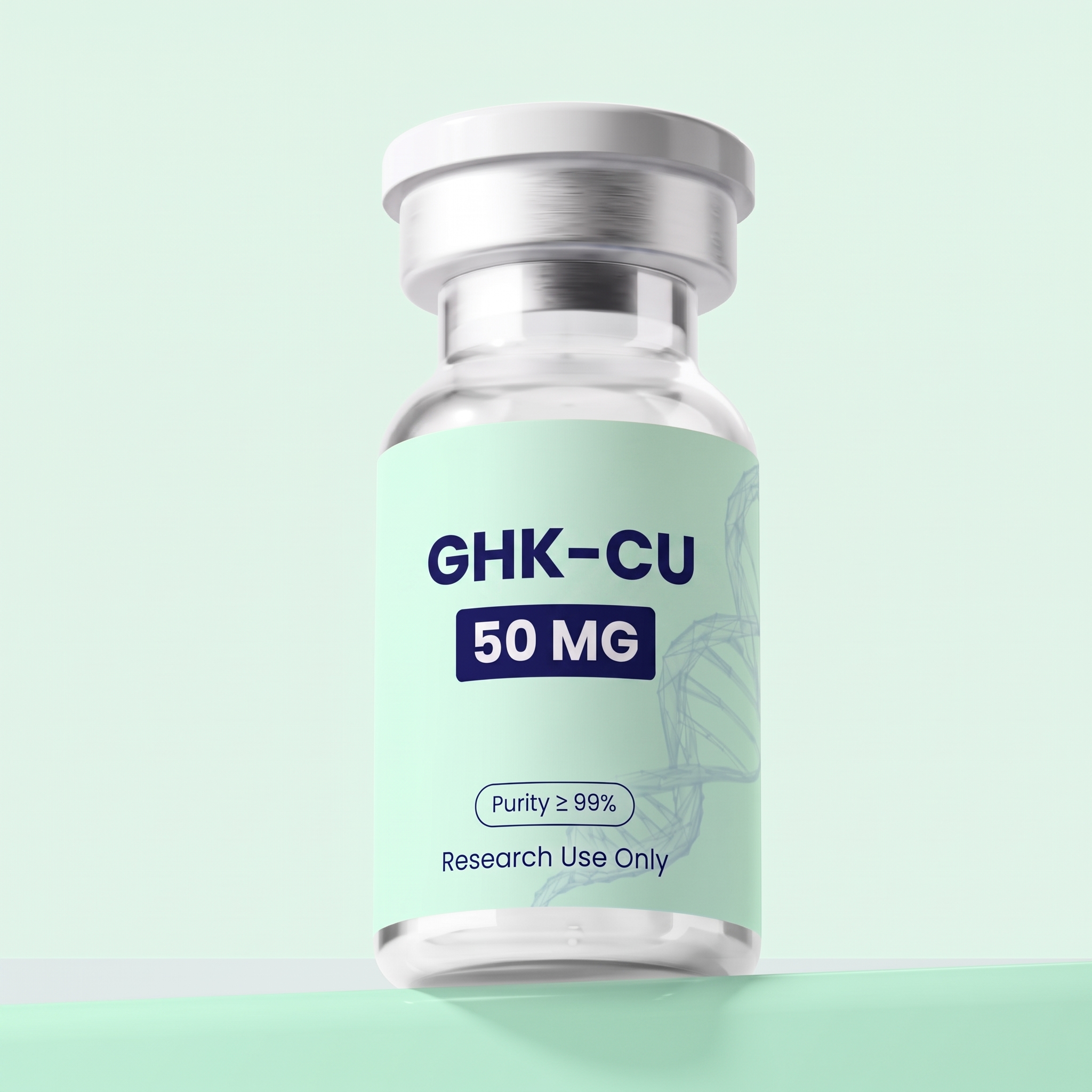
If you've ever seen a blue-tinted skincare serum, you've already met GHK-Cu. It's a copper-carrying tripeptide that was first pulled out of human blood plasma back in 1973, and it's been sitting in cosmetics for decades. What's newer is its life as a research peptide: vials of it, and blends like Glow and Klow that put it alongside BPC-157 and TB-500 . I'll say upfront that GHK-Cu is a bit unusual in this catalog. It has a long research history, and the skin-care version is a mainstream cosmetic ingredient. But no GHK-Cu drug is approved by the FDA, and the injectable side is much less studied than the creams. On Peptide Grading , we line up the research-labeled listings, with vendors, sizes, price per mg, and COAs , so you can see the differences. A listing isn't a recommendation to use it.
Kyle from 99puritypeptides worked with our marketing company for a short period. After my team clearly explained our services and what we do and DON'T do, he misunderstood the scope on the call, expecting services which were not covered in his pricing plan. Continues to leave a 1 star review on our Google. We reach out to him, show him the call recording and logs, clearly explaining to him that he misunderstood. Still leaves the negative review up. We then take another step towards him and offer him a full refund to make sure he's satisfied (even though he used our accounts), he agrees to remove the review. It is still up there and he's been unresponsive to all of our messages. When a mutual contact who he works with gets involved, he still doesn't remove the review. A man only has his word to go by, and clearly Kyle's word doesn't mean much. Speaks volumes about his character.
Rohaan Khan · BG · Nov 2, 2026
Great experience overall
Great experience overall! Fast shipping, great website, trusted product! 10/10
Jessica Parker · US · Oct 27, 2026
Customer service is top tier
Customer service is top tier! Website is very informative and easy to navigate! Quick delivery! Products work!
Ashley Gathers · US · Oct 19, 2026
I’ve had nothing but a positive…
I’ve had nothing but a positive experience with 99. Including product quality. I tried embody and the tirz did nothing. This is legit and they will always use me as a customer!
Nicole Martini · US · Sep 10, 2026
Quality 100%
Quality 100% Highly recommended.
J Caza · US · Sep 6, 2026
Great customer service and great product
Great customer service and great product
Brad Godwin · US · Sep 5, 2026
Reviews of 99 Purity Peptides from Trustpilot, imported Nov 9, 2026.
 Peptide Grading