Florida-based supplier of research-use-only peptides, known for the GLOW (GHK-Cu/BPC-157/TB-500) and KLOW blends; lot-specific COAs listed for 44 lots, with a stated 99.2% purity approval threshold.
17 live listings from $44.99 – $179.99 · 10% off with code PEPTIDEGRADING
Discounted only
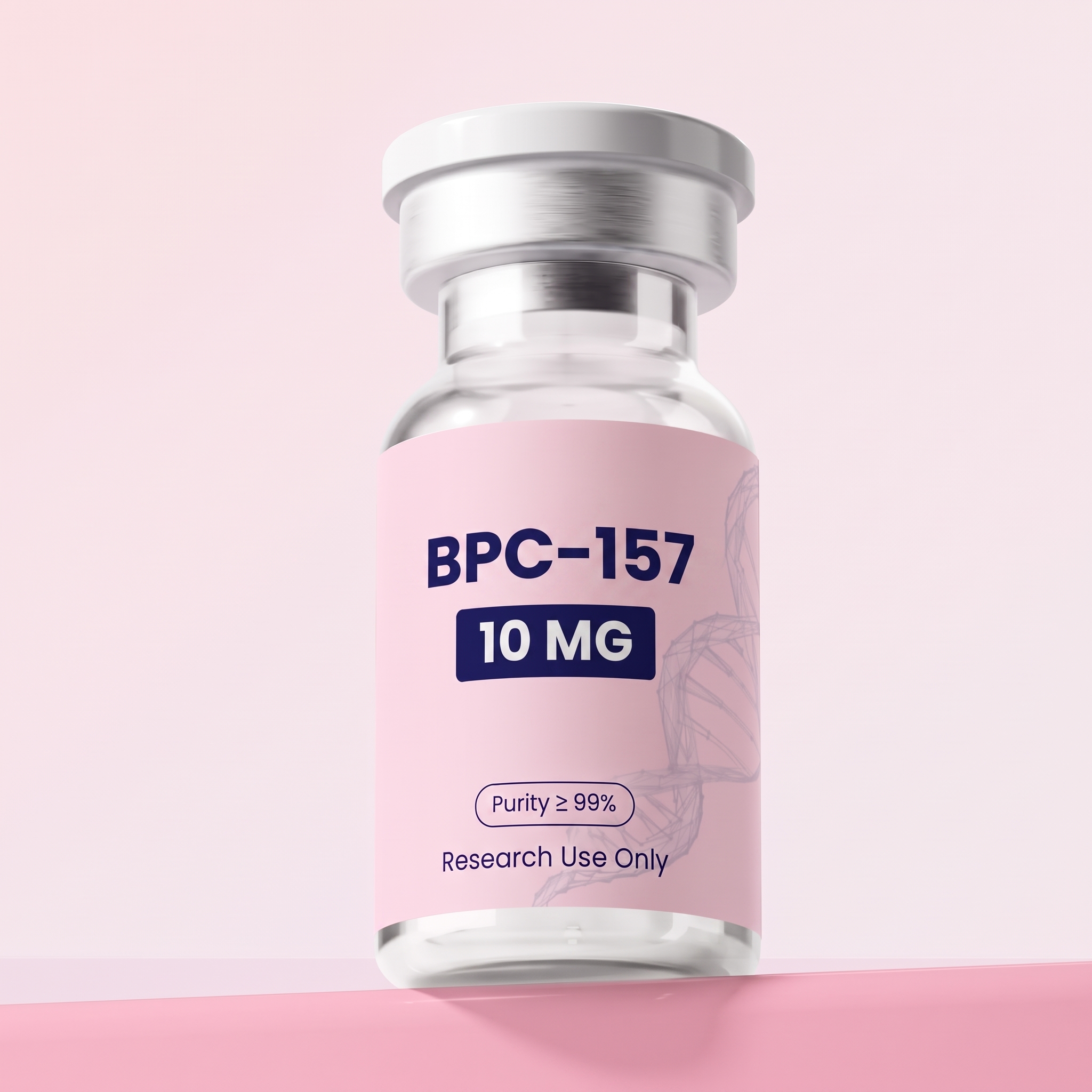
BPC-157
BPC-157 is a 15-amino-acid peptide first described from gastric juice. Most of the published work is preclinical, with studies covering tendon, muscle, gastrointestinal, vascular, and other injury models. Researchers have looked at several signaling pathways, including VEGFR2, nitric oxide, Akt-eNOS, and ERK1/2 . Other work has focused on angiogenesis, fibroblast activity, endothelial responses, and inflammation. Human data are still sparse. Small studies have looked at knee pain, interstitial cystitis, and intravenous safety and pharmacokinetics , but the number of human studies remains small and larger controlled trials are not available.
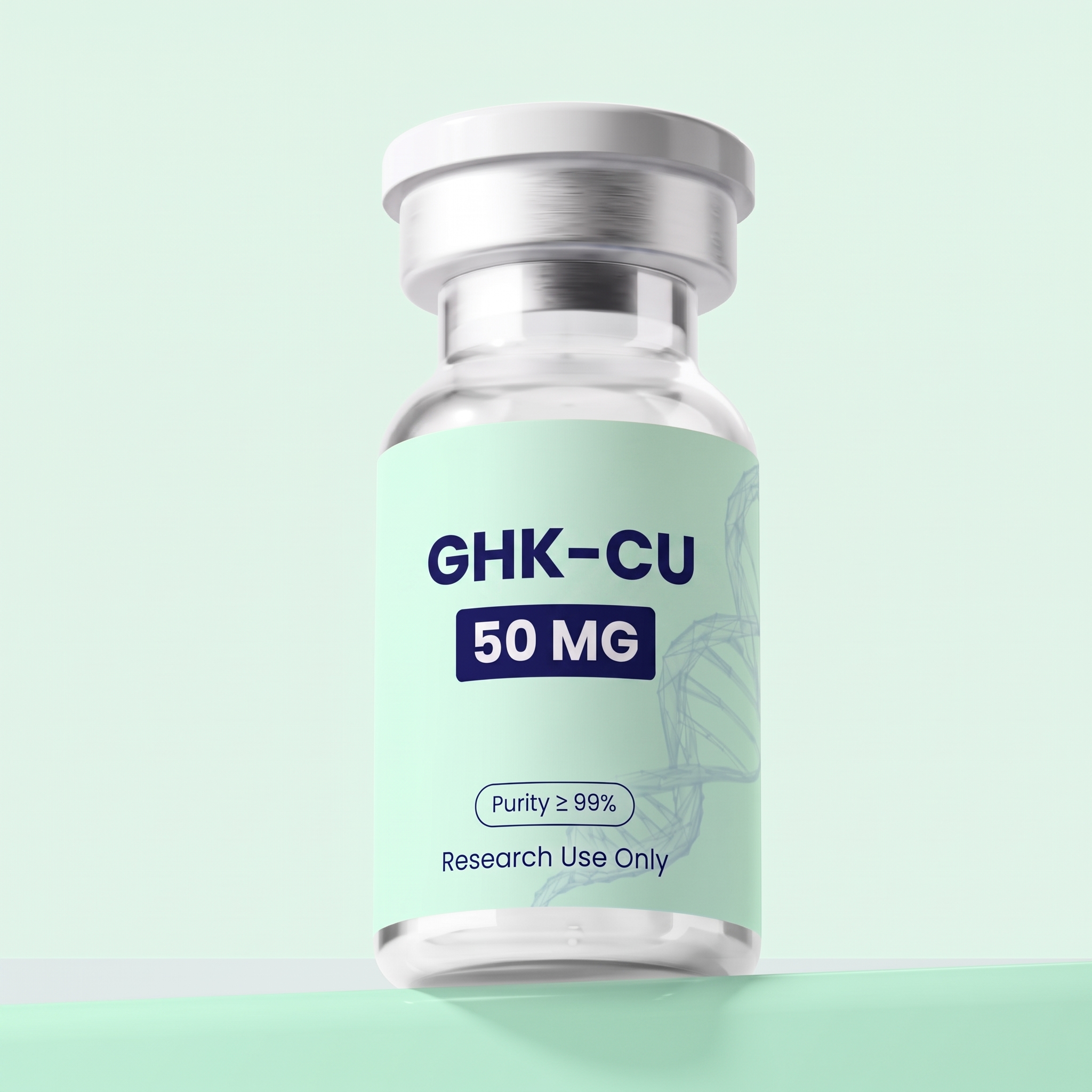
If you've ever seen a blue-tinted skincare serum, you've already met GHK-Cu. It's a copper-carrying tripeptide that was first pulled out of human blood plasma back in 1973, and it's been sitting in cosmetics for decades. What's newer is its life as a research peptide: vials of it, and blends like Glow and Klow that put it alongside BPC-157 and TB-500 . I'll say upfront that GHK-Cu is a bit unusual in this catalog. It has a long research history, and the skin-care version is a mainstream cosmetic ingredient. But no GHK-Cu drug is approved by the FDA, and the injectable side is much less studied than the creams. On Peptide Grading , we line up the research-labeled listings, with vendors, sizes, price per mg, and COAs , so you can see the differences. A listing isn't a recommendation to use it.
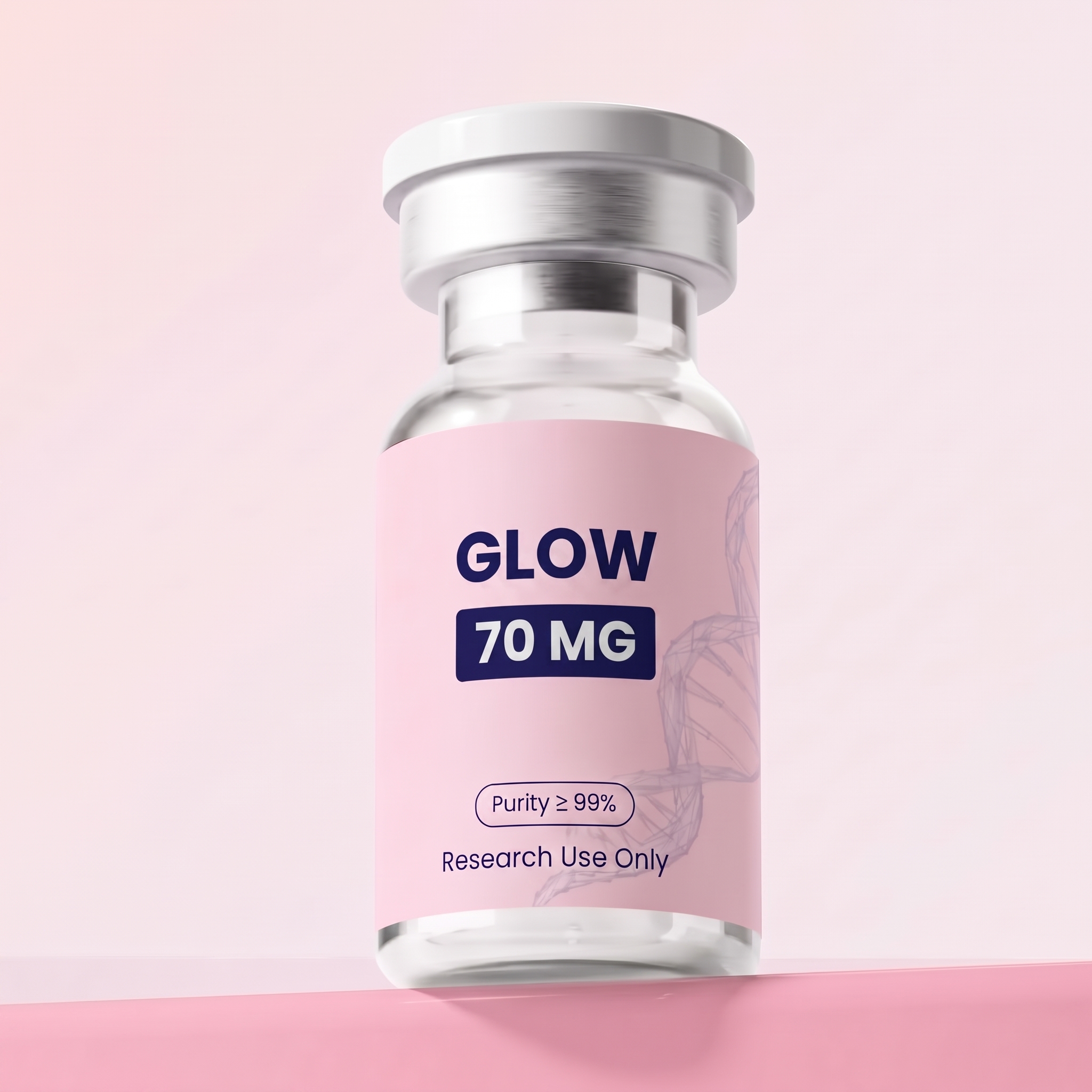
Ask five vendors what's in GLOW and you'll mostly get the same answer: GHK-Cu , BPC-157 and TB-500 in one vial. That's the whole formula. The name is a marketing label, not a pharmacological category, and the pitch is simple: a skin peptide plus two repair peptides, sold as a two-in-one. We pull GLOW listings from different vendors into one place, with vial size, price, shipping and COA links.
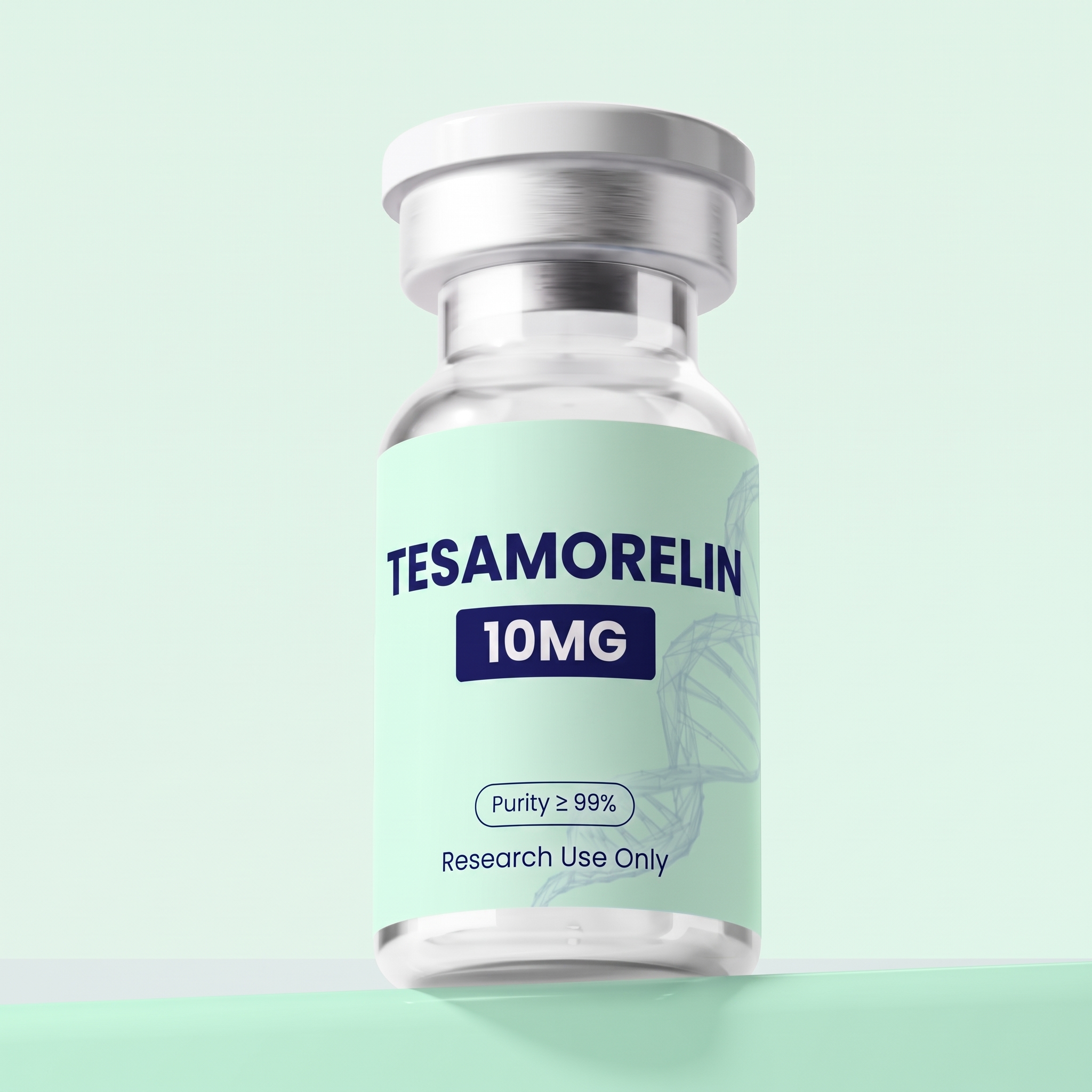
Tesamorelin is a synthetic 44-amino-acid analogue of human growth hormone-releasing factor (GRF). The peptide carries an N-terminal hexenoyl group, a structural change that distinguishes it from native GRF while retaining activity at the GRF receptor. Tesamorelin has been studied extensively in human endocrine research, particularly in work involving growth hormone release and IGF-1 response. Peptide Grading compares current listings by supplier, quantity, stated specifications, COA availability, shipping, and price per mg.
AOD-9604 is a modified fragment of human growth hormone (amino acids 176-191 with an added tyrosine). It was developed to study growth hormone's effect on fat breakdown without its effects on growth or blood sugar, and reached human weight-loss trials before development stopped.
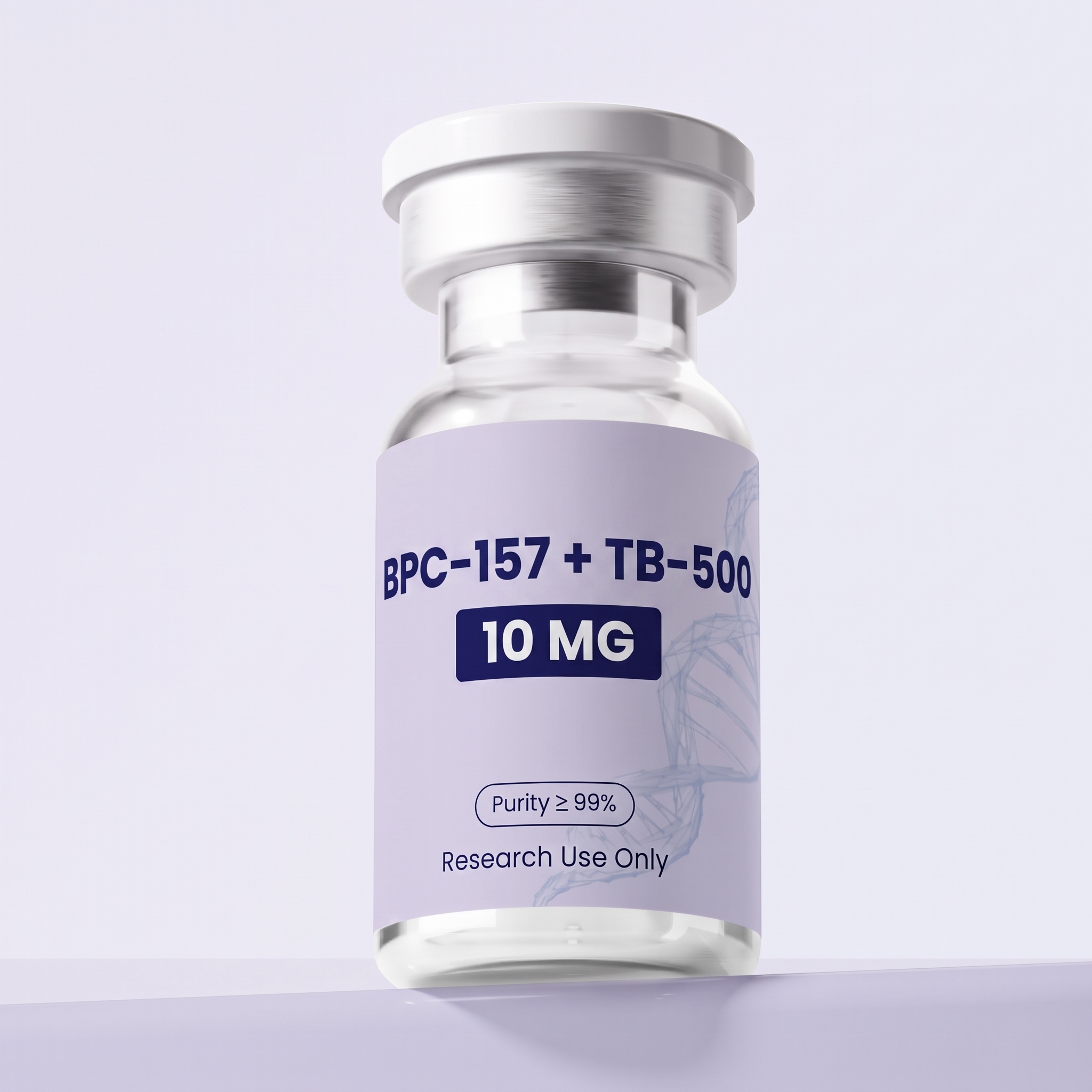
A BPC-157 and TB-500 blend, often called the "Wolverine Stack" is an informal combination of two synthetic peptides studied for tissue repair, cellular movement, and recovery
FOXO4-DRI is a modified peptide built from D-amino acids in reverse order (a 'D-retro-inverso' design). It blocks the binding of the FOXO4 protein to p53, which is studied as a way to make senescent ('zombie') cells self-destruct.
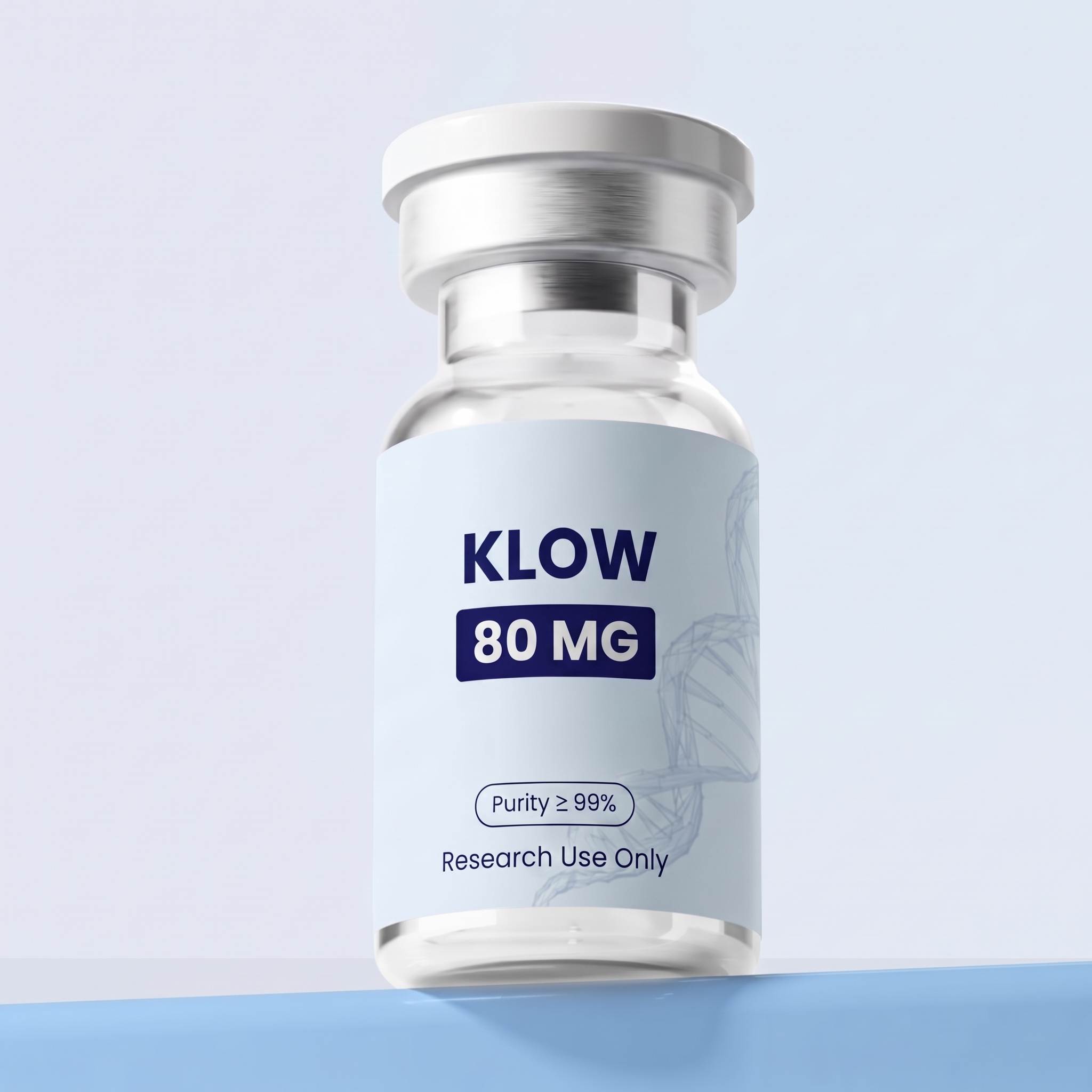
Klow Stack is Glow plus KPV: four peptides ( GHK-Cu , BPC-157 , TB-500 , KPV) in one vial. Each one is researched for a different job, from tissue remodeling to inflammation. The catch is that the research is on the peptides individually, mostly in animals. Nobody has published results on the blend itself. Klow packs them into a single product instead of four separate vials. On Peptide Grading , we track Klow Stack listings in one place: vendors, vial sizes, price per mg, shipping details, and certificate of analysis (COA) documents, so you don't need ten tabs open to compare them.
Shipped non-functional merchandise that failed basic quality and composition testing.
Merchant charged for a physical product (MK-677) under Lot 2605-SXH-MK20-01, but fraudulently shipped an entirely inert, non-functional filler substance (pure starch) that failed all composition testing.
Corbin Greco · US · Oct 25, 2026
Great service all around
Great service all around! Shipping was fast, and customer service was quick to respond and easy to deal with. Everything went smoothly, and I’ll definitely be ordering from Glow again. Highly recommend!
Bryan P · US · Oct 18, 2026
Best product loved the packaging and…
Best product loved the packaging and purity
Maria Cristina Arenas · GT · Oct 17, 2026
It was a great delivery .
It was a great delivery .
Manuel · US · Oct 17, 2026
The items arrived relatively quickly…
The items arrived relatively quickly and were carefully packaged. Also, payment was easy by credit card and Apple Pay.
customer · US · Oct 12, 2026
The products arrived very quickly and…
The products arrived very quickly and on time, which I really appreciated. However, I was disappointed that no instructions were included. When I reached out for help, the only guidance I received was through AI, which directed me to check the reconstitution chart. Although I prepared the product by carefully following that chart, I never felt completely confident or comfortable using it because I didn’t receive clear, personalized instructions or support. For a product like this, I believe proper guidance is extremely important, especially for customers who want to make sure they are preparing and using it correctly and safely. The fast shipping was definitely a positive experience, but I wish the customer support and instructions had provided the same level of confidence.
Lina Alvarez · US · Aug 30, 2026
Reviews of Glow Peptides from Trustpilot, imported Nov 9, 2026.
 Peptide Grading