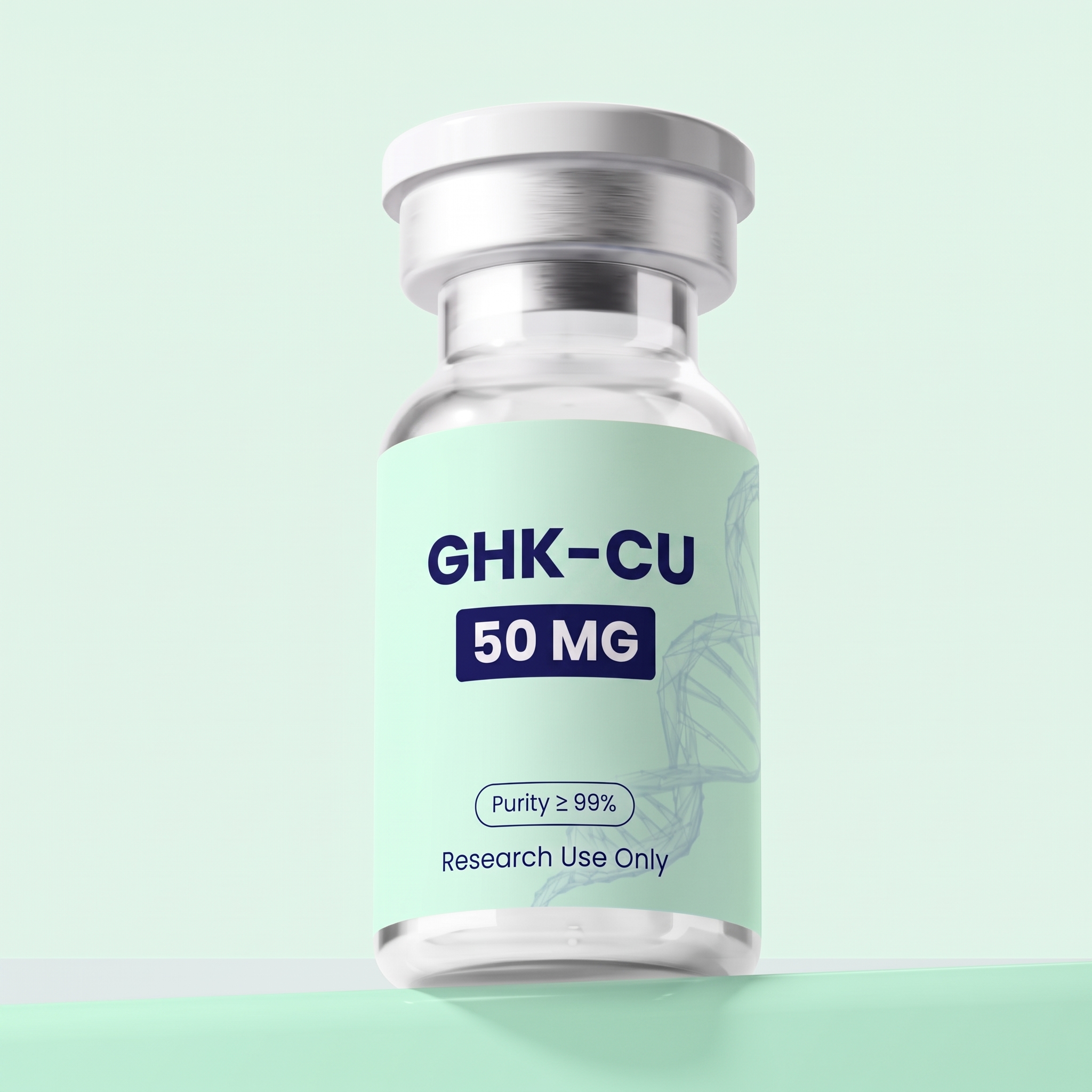
If you've ever seen a blue-tinted skincare serum, you've already met GHK-Cu. It's a copper-carrying tripeptide that was first pulled out of human blood plasma back in 1973, and it's been sitting in cosmetics for decades. What's newer is its life as a research peptide: vials of it, and blends like Glow and Klow that put it alongside BPC-157 and TB-500 . I'll say upfront that GHK-Cu is a bit unusual in this catalog. It has a long research history, and the skin-care version is a mainstream cosmetic ingredient. But no GHK-Cu drug is approved by the FDA, and the injectable side is much less studied than the creams. On Peptide Grading , we line up the research-labeled listings, with vendors, sizes, price per mg, and COAs , so you can see the differences. A listing isn't a recommendation to use it.
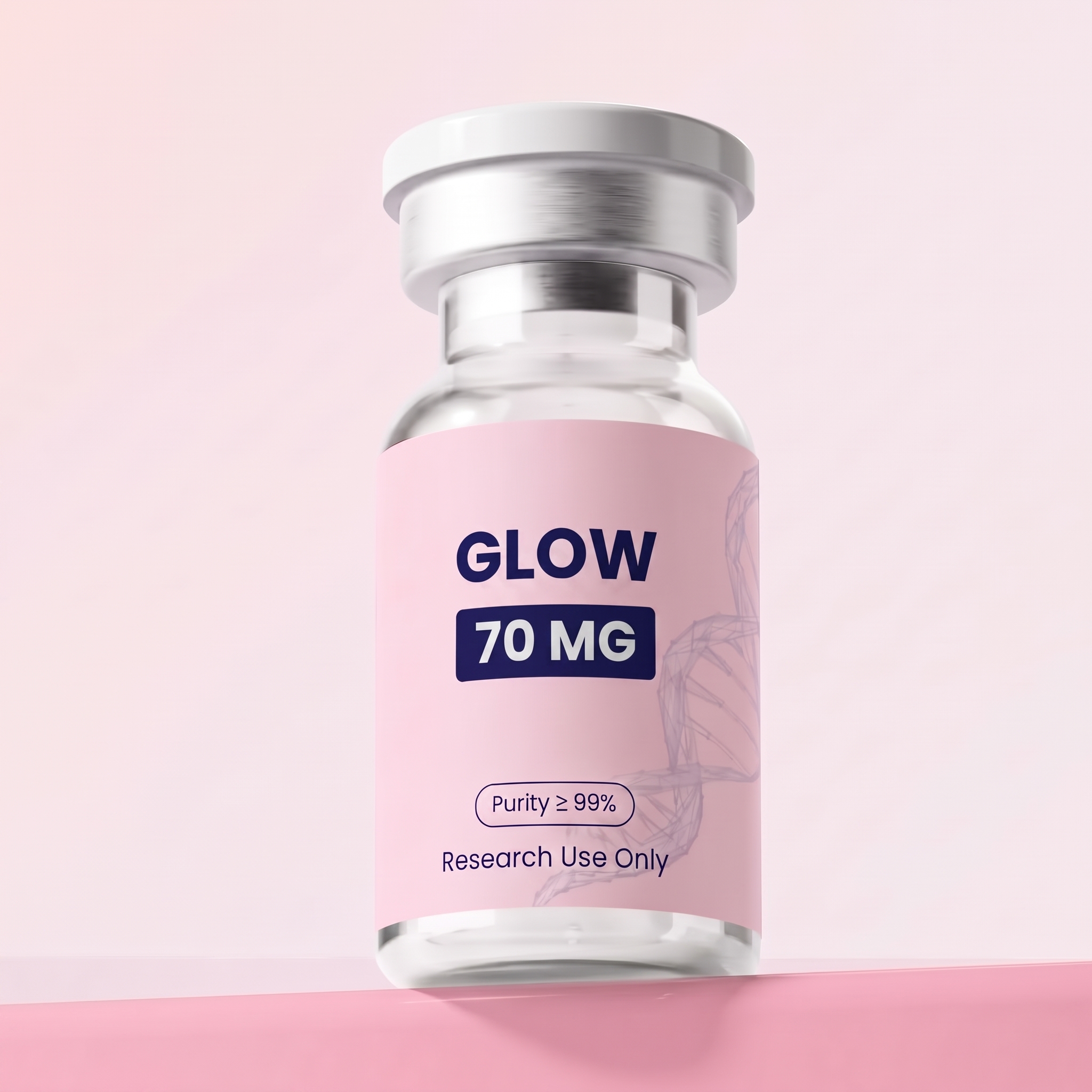
Ask five vendors what's in GLOW and you'll mostly get the same answer: GHK-Cu , BPC-157 and TB-500 in one vial. That's the whole formula. The name is a marketing label, not a pharmacological category, and the pitch is simple: a skin peptide plus two repair peptides, sold as a two-in-one. We pull GLOW listings from different vendors into one place, with vial size, price, shipping and COA links.
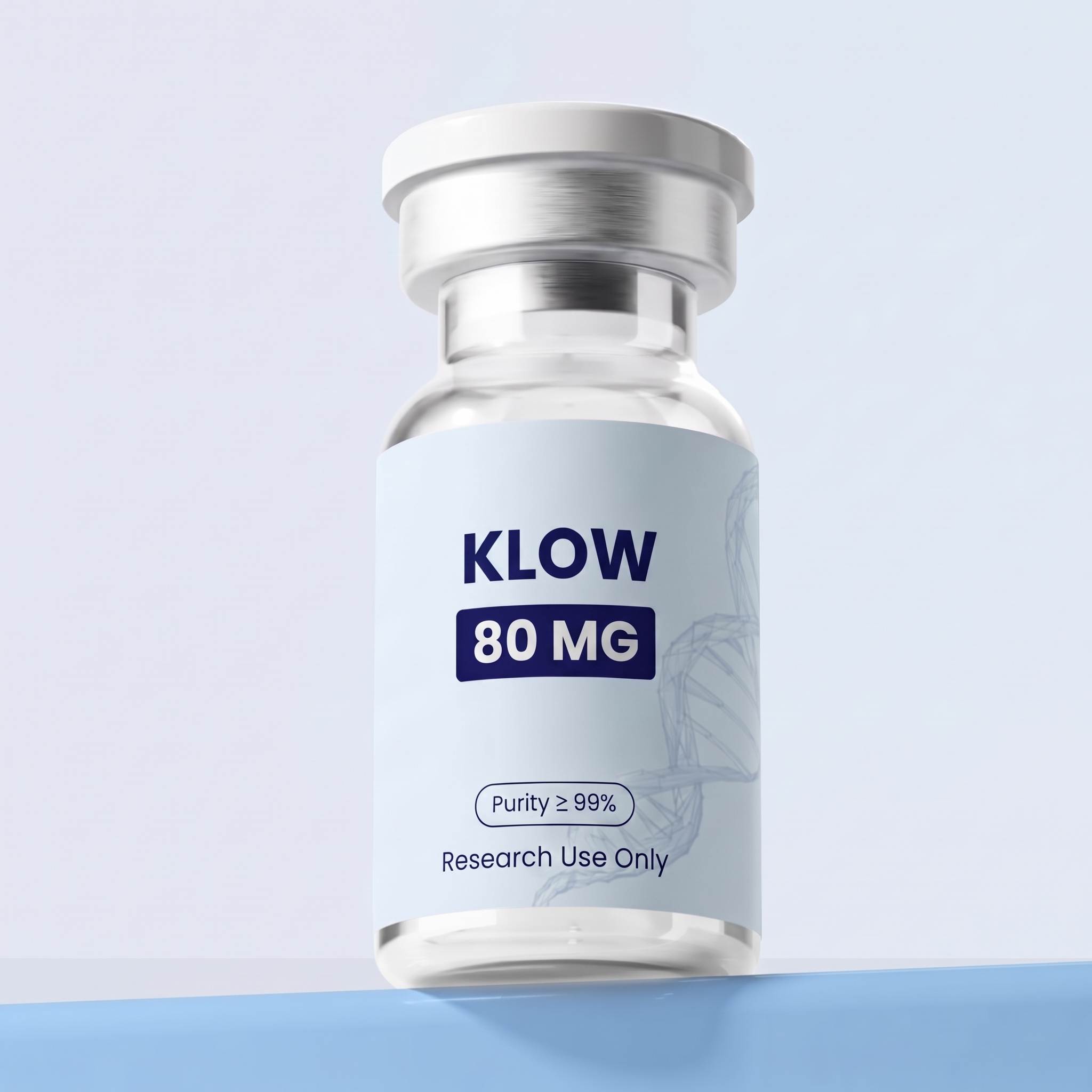
Klow Stack is Glow plus KPV: four peptides ( GHK-Cu , BPC-157 , TB-500 , KPV) in one vial. Each one is researched for a different job, from tissue remodeling to inflammation. The catch is that the research is on the peptides individually, mostly in animals. Nobody has published results on the blend itself. Klow packs them into a single product instead of four separate vials. On Peptide Grading , we track Klow Stack listings in one place: vendors, vial sizes, price per mg, shipping details, and certificate of analysis (COA) documents, so you don't need ten tabs open to compare them.
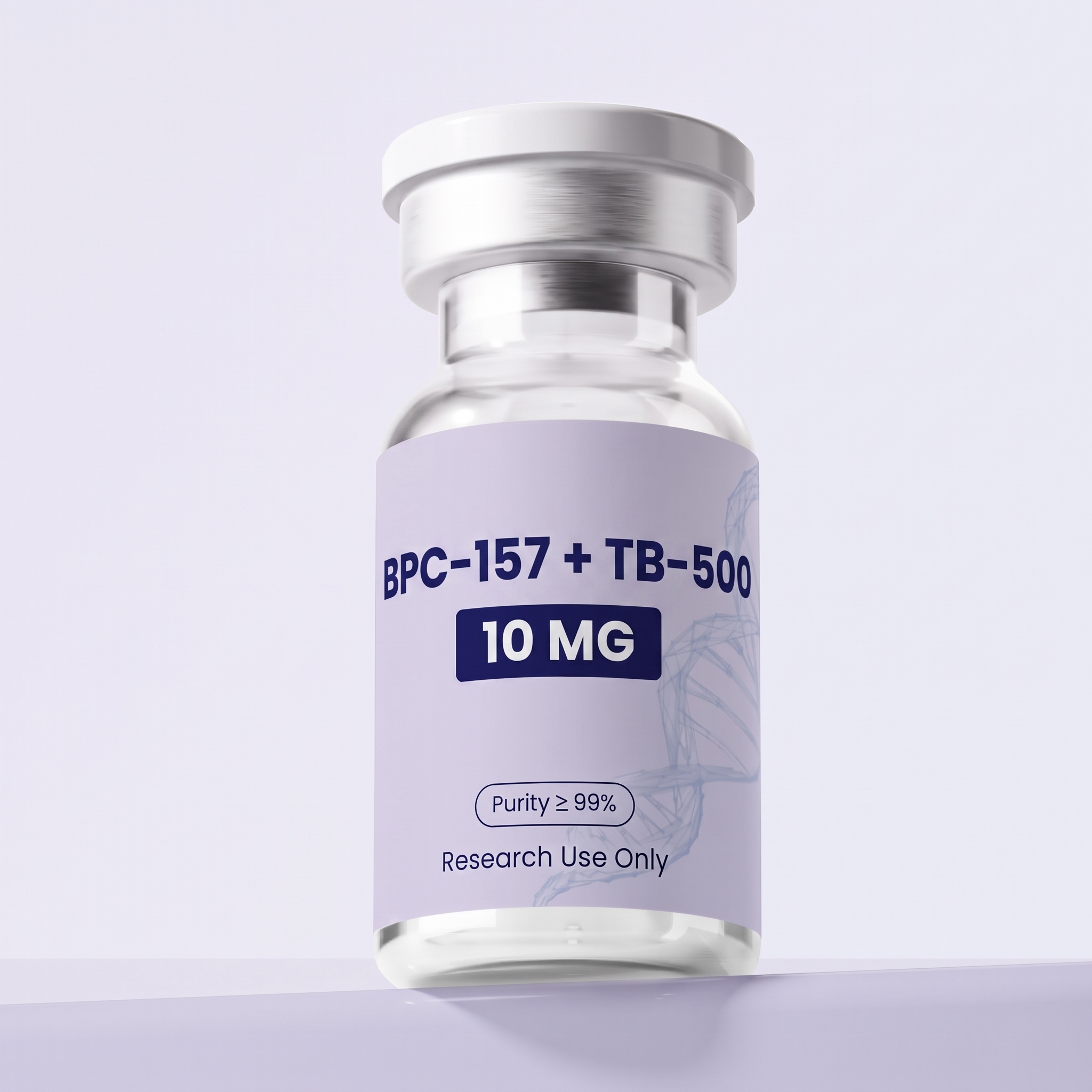
A BPC-157 and TB-500 blend, often called the "Wolverine Stack" is an informal combination of two synthetic peptides studied for tissue repair, cellular movement, and recovery
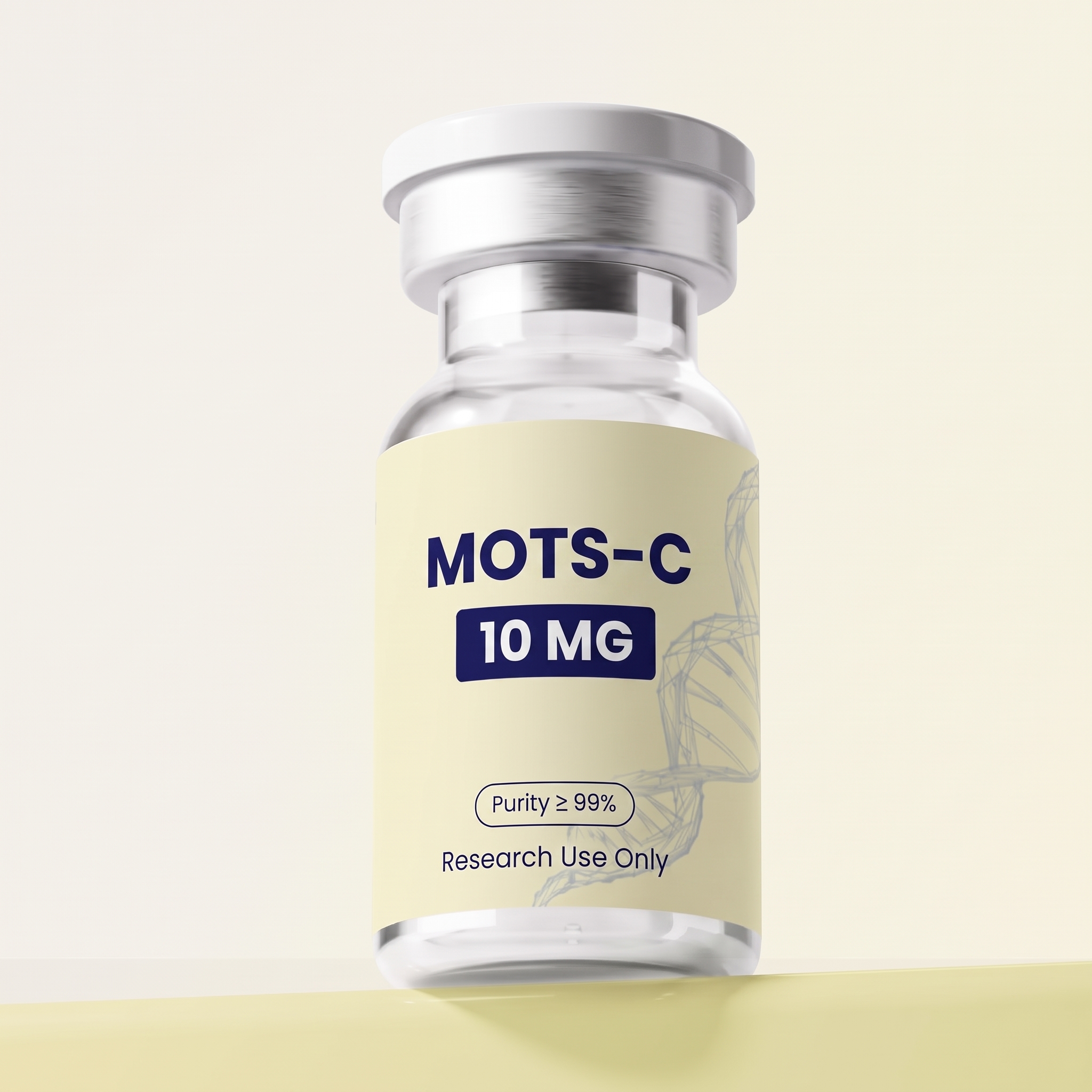
MOTS-c is a 16-amino-acid mitochondrial-derived peptide encoded by a short open reading frame in the mitochondrial 12S rRNA region. Peptide Grading tracks MOTS-c vendors, quantities, prices, shipping details, and COA information to make research-product listings easier to compare.
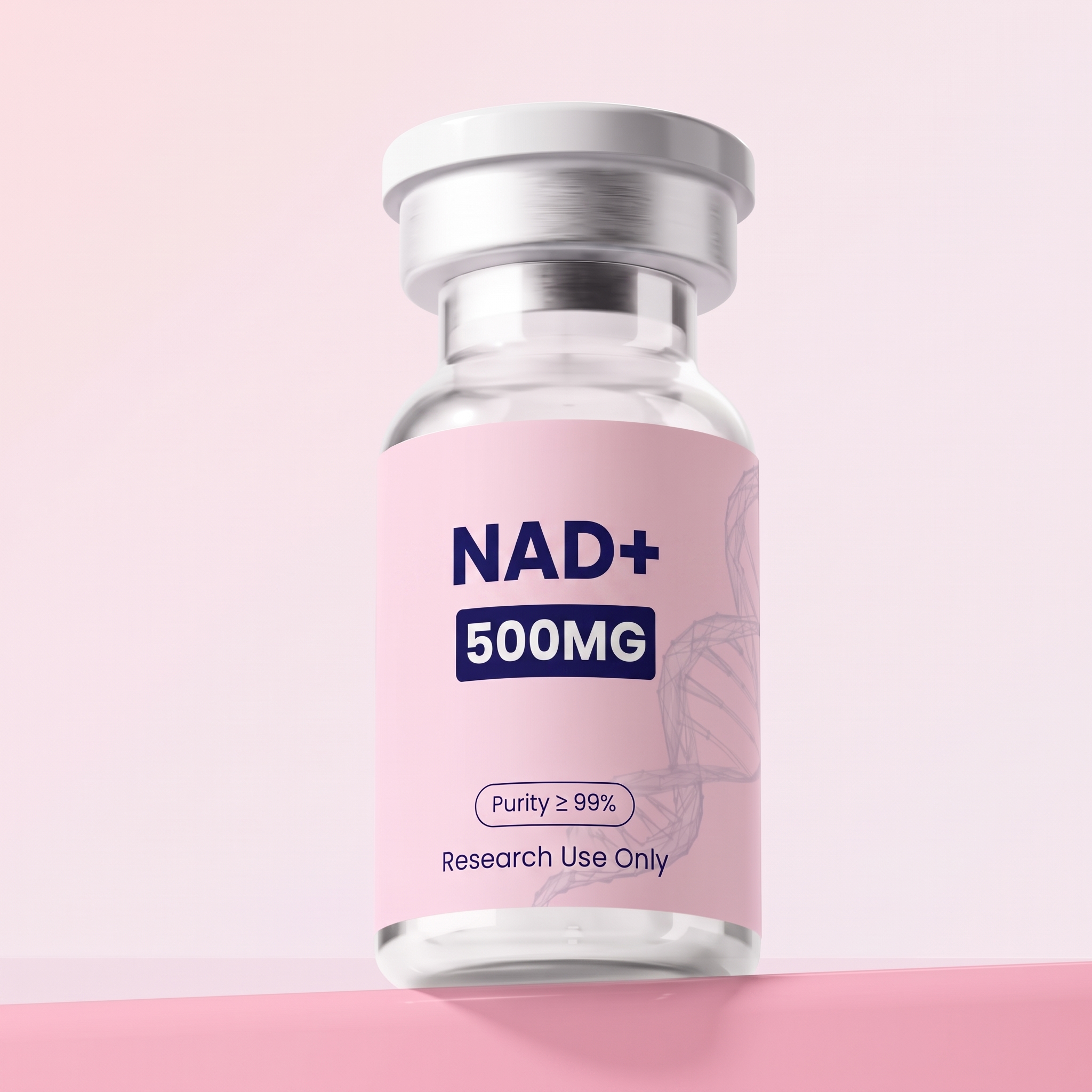
NAD+ (nicotinamide adenine dinucleotide) is a naturally occurring cellular coenzyme involved in energy metabolism, redox reactions, and several signaling pathways. It is found throughout living cells and continuously shifts between its oxidized NAD+ and reduced NADH forms. Unlike peptide compounds, NAD+ is a dinucleotide, making its research profile quite different from synthetic peptide products.
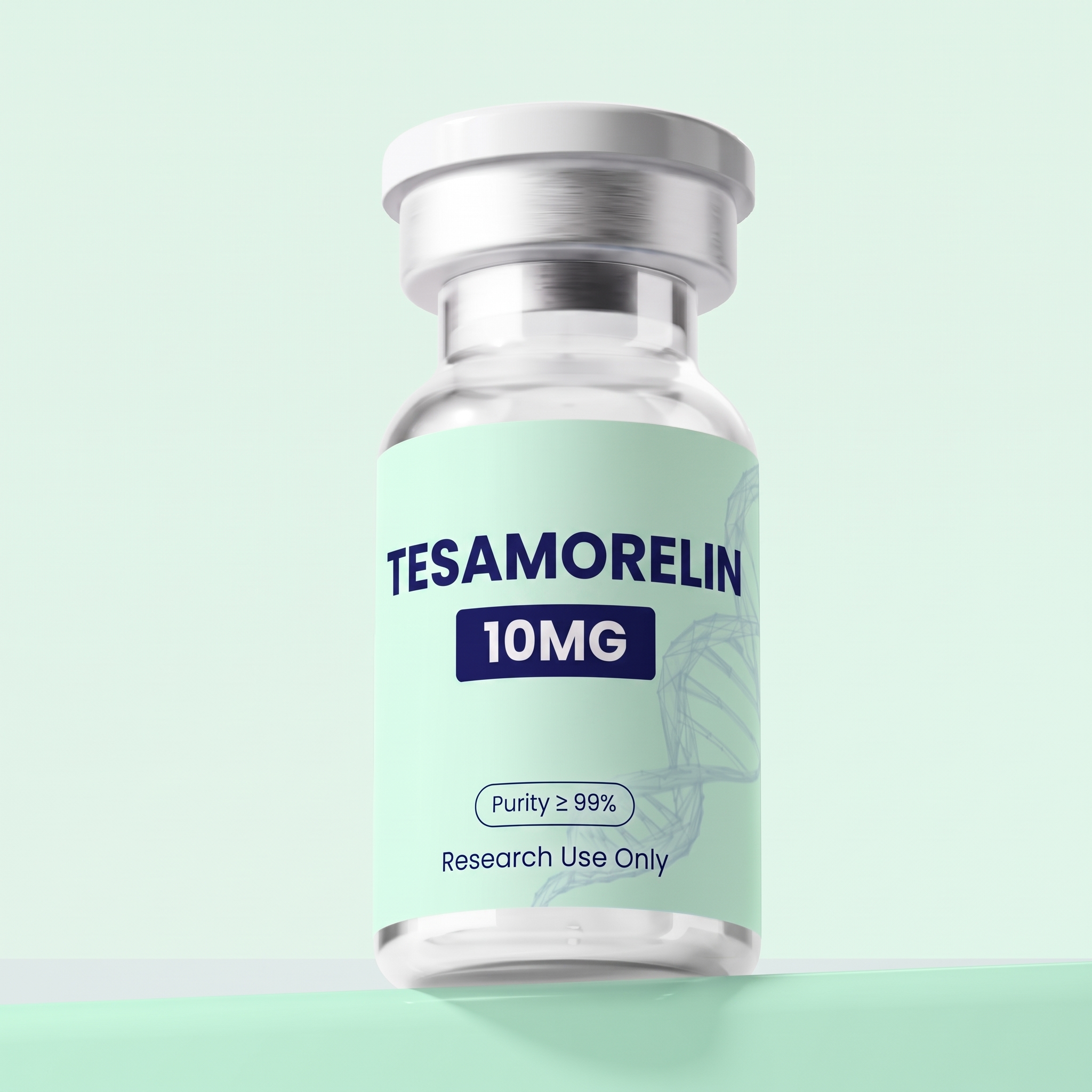
Tesamorelin is a synthetic 44-amino-acid analogue of human growth hormone-releasing factor (GRF). The peptide carries an N-terminal hexenoyl group, a structural change that distinguishes it from native GRF while retaining activity at the GRF receptor. Tesamorelin has been studied extensively in human endocrine research, particularly in work involving growth hormone release and IGF-1 response. Peptide Grading compares current listings by supplier, quantity, stated specifications, COA availability, shipping, and price per mg.
 Peptide Grading