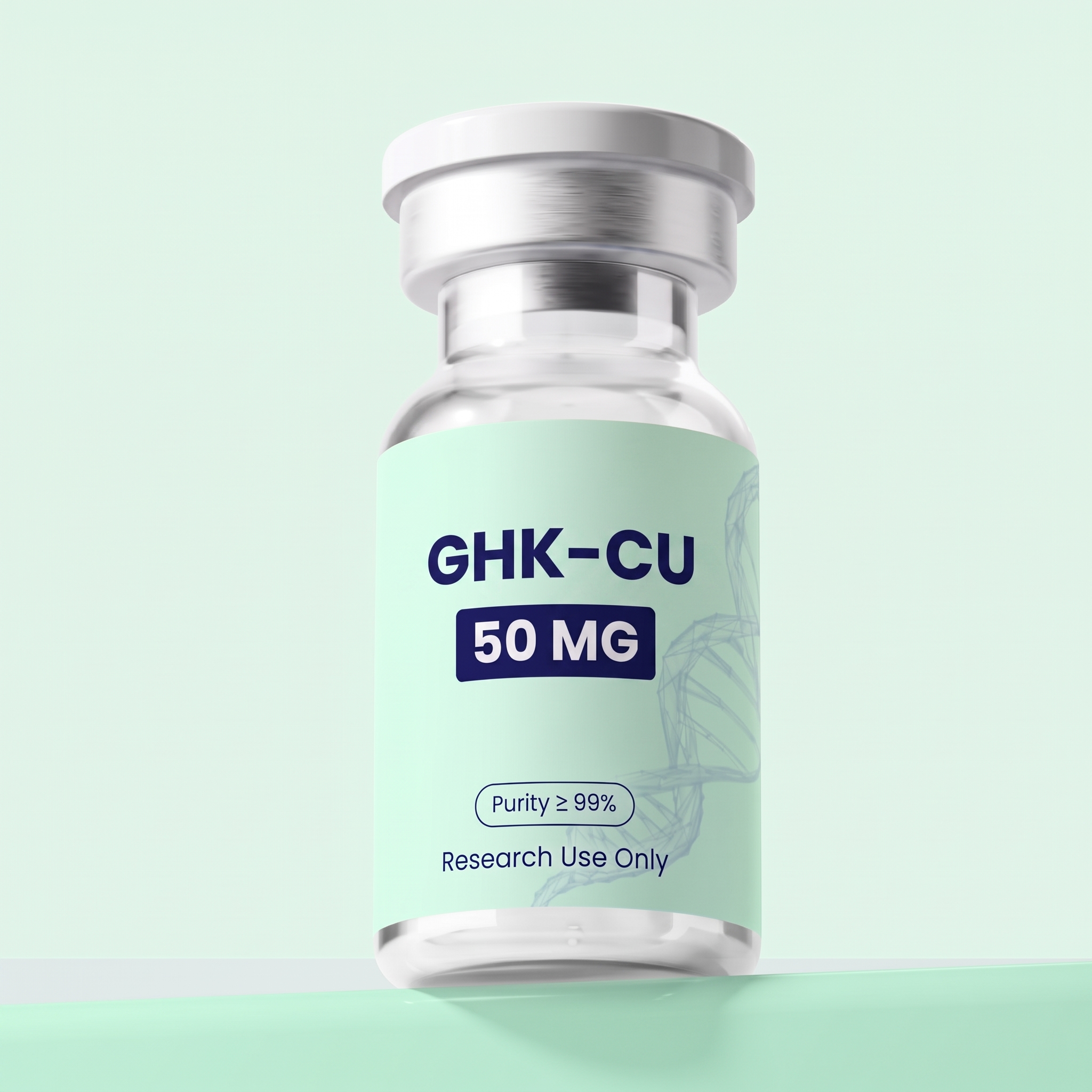
GHK-Cu is a naturally occurring copper-binding tripeptide (glycyl-L-histidyl-L-lysine) found in human plasma, saliva, and urine. First discovered by Dr. Loren Pickart in 1973, plasma levels average 200 ng/mL at age 20 but decline to ~80 ng/mL by age 60. It has been extensively studied for wound healing, collagen synthesis, skin regeneration, and gene modulation, with decades of cosmetic use and a broad safety profile. Molecular weight is approximately 340 g/mol (as the copper complex), with the formula C14H24N6O4Cu.
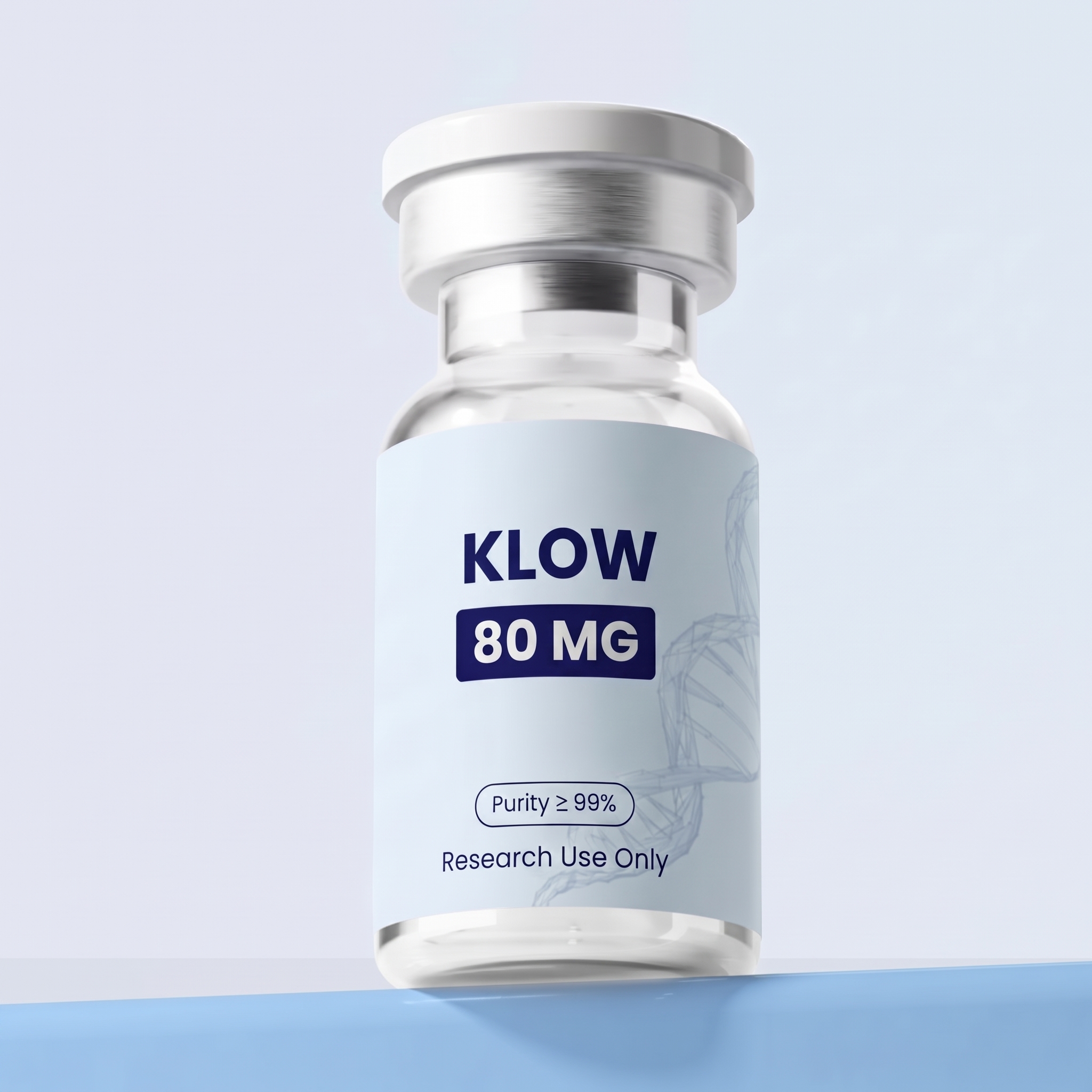
KLOW is a research peptide blend containing GHK-Cu, BPC-157, TB-500, and KPV. Its individual components have been studied in preclinical research involving tissue repair, cellular signaling, and inflammatory pathways, but the complete blend has not been clinically validated.
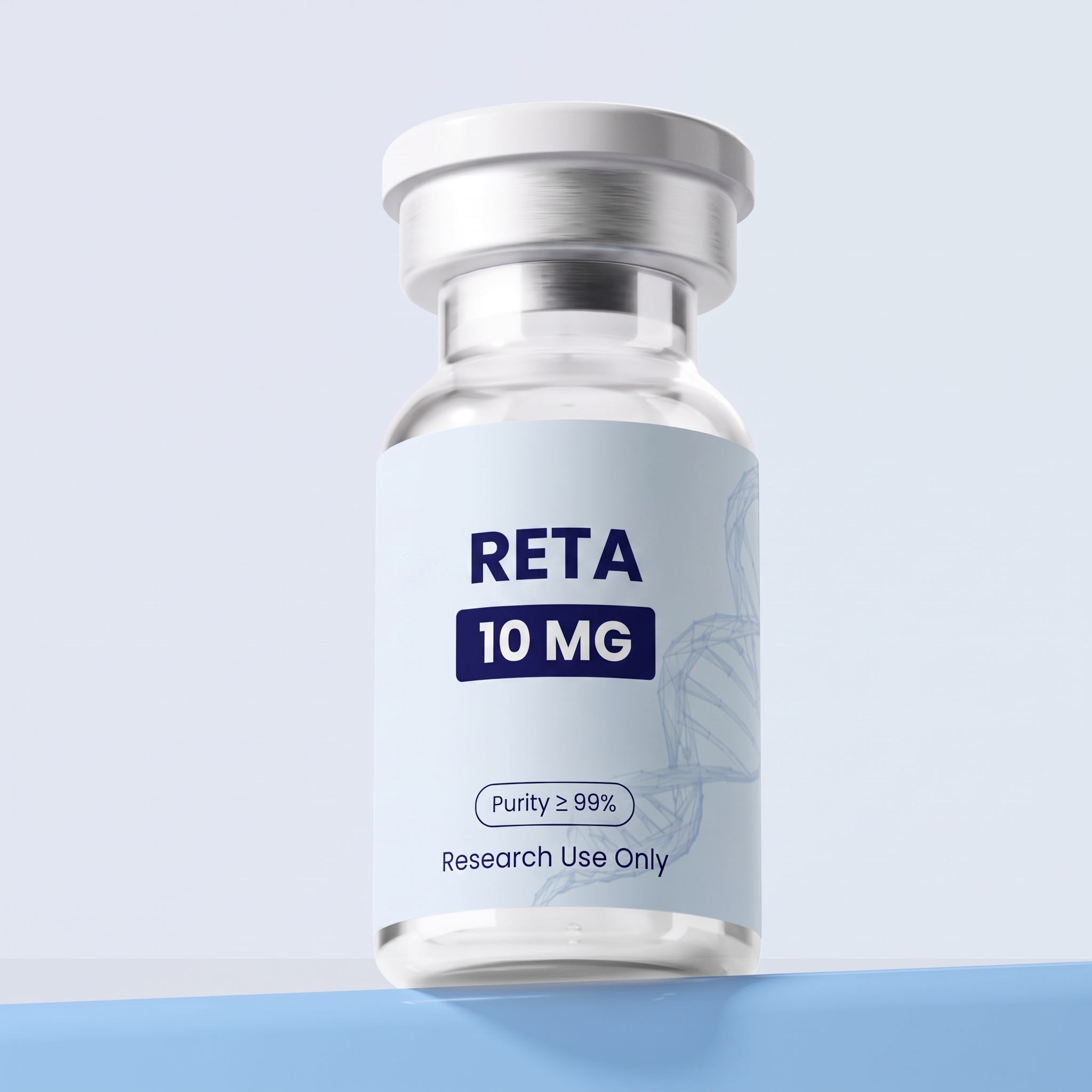
Retatrutide is a first-in-class investigational triple hormone receptor agonist (GIP, GLP-1, and glucagon) developed by Eli Lilly. In the Phase 2 trial (Jastreboff et al., NEJM 2023, n=338), the 12 mg dose achieved 24.2% mean body weight reduction at 48 weeks, with 100% of participants achieving at least 5% weight loss. Multiple Phase 3 TRIUMPH trials are ongoing, with TRIUMPH-4 (Dec 2025) reporting average loss up to 71.2 lbs with osteoarthritis pain relief. Expected FDA approval is 2027-2028.
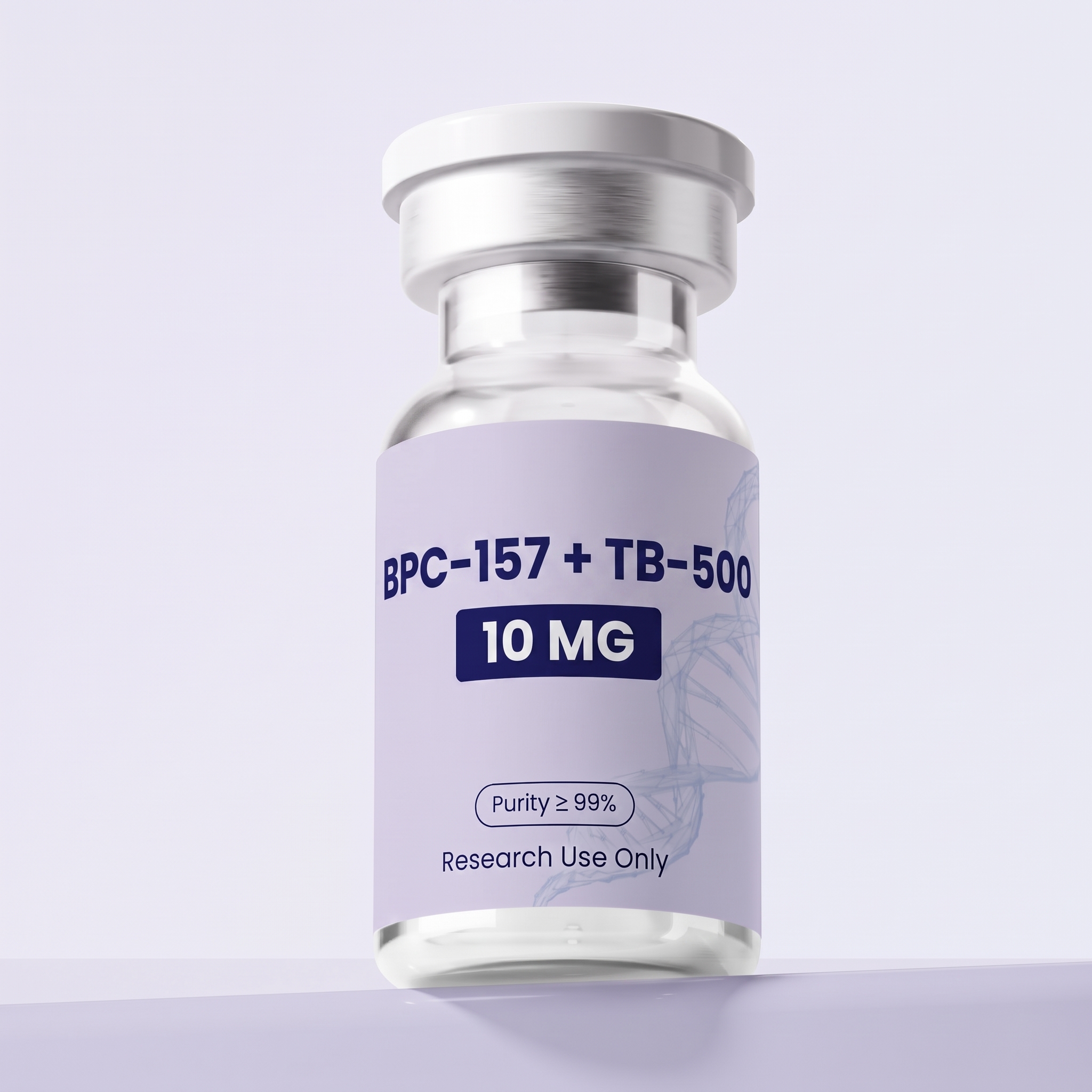
A BPC-157 and TB-500 blend, often called the "Wolverine Stack" is an informal combination of two synthetic peptides studied for tissue repair, cellular movement, and recovery
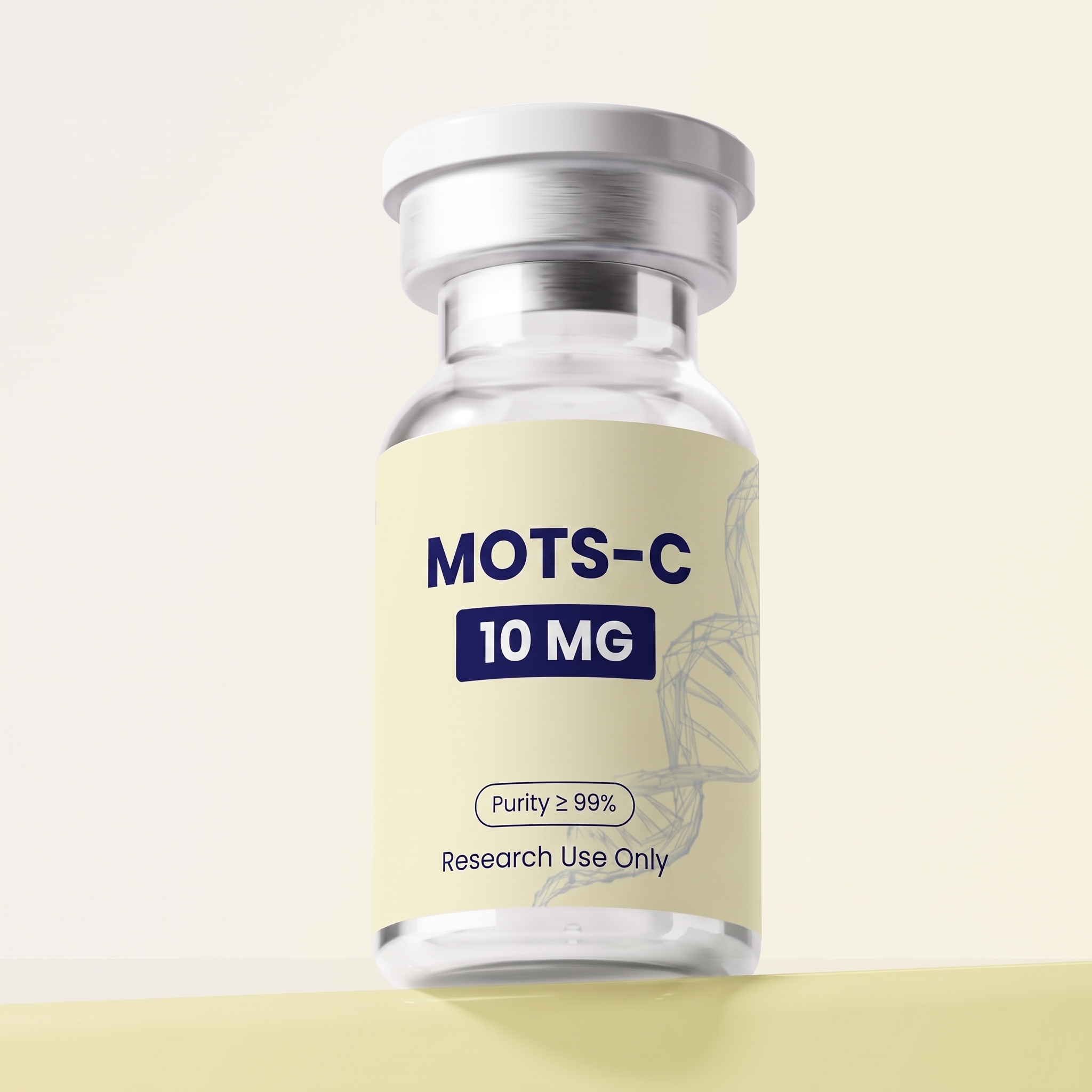
MOTS-c (Mitochondrial Open Reading Frame of the 12S rRNA-c) is a 16-amino-acid mitochondrial-derived peptide (MDP) encoded within the mitochondrial 12S rRNA gene (MT-RNR1). Discovered in 2015 by Lee et al. at USC, it acts as a metabolic regulator primarily through AMPK activation. In mouse models, MOTS-c prevents diet-induced obesity and insulin resistance, enhances exercise capacity (old mice ran 2x longer on treadmill tests), and reduces age-related metabolic decline. A modified analog (CB4211) showed good tolerability in a Phase 1 human trial. No clinical trials of native MOTS-c in humans have been completed.
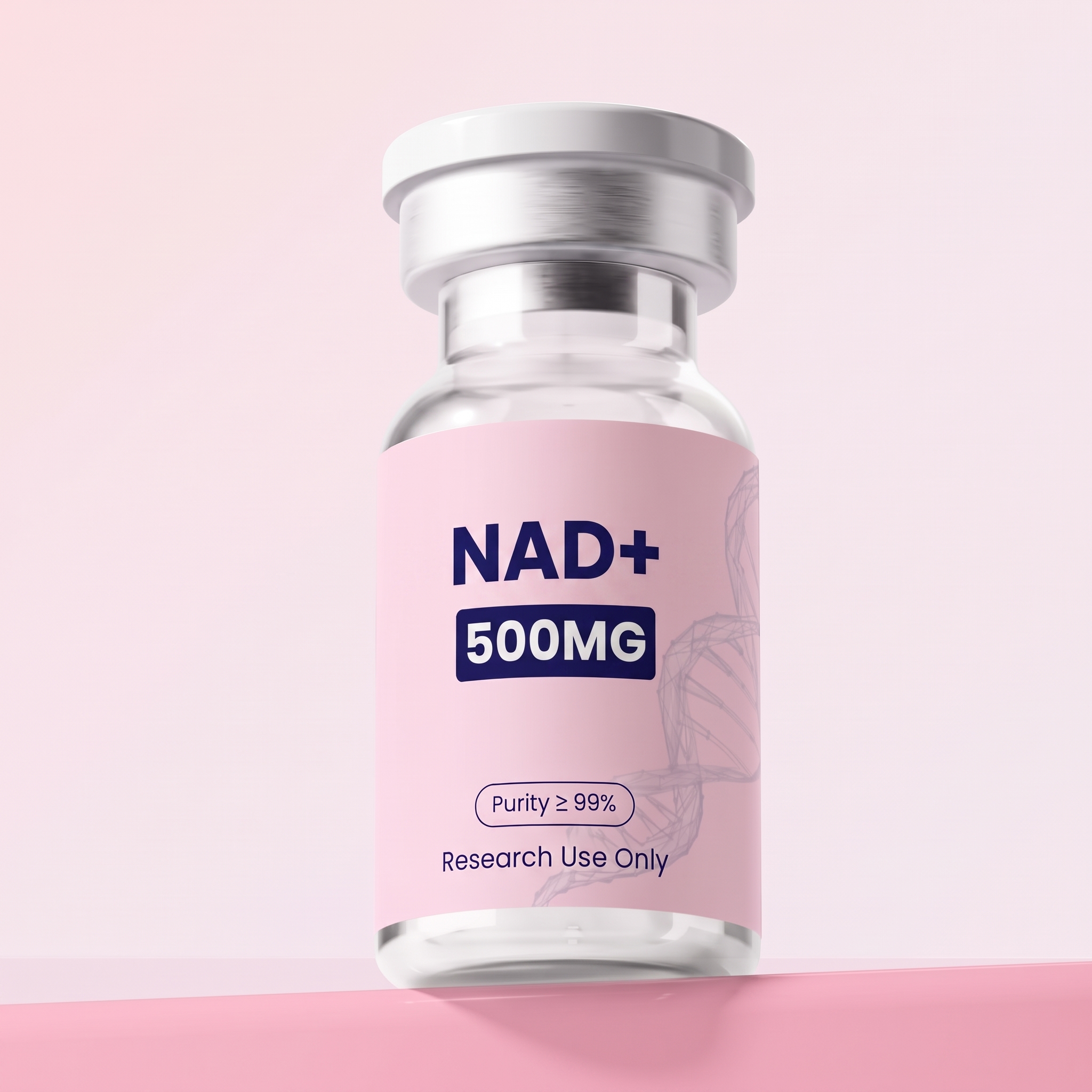
NAD+ is a fundamental coenzyme present in all living cells that serves as a critical electron carrier in metabolic reactions and a substrate for enzymes including sirtuins, PARPs, and CD38. NAD+ levels decline approximately 50% between ages 40 and 60. While not a peptide, NAD+ and its precursors (NMN, NR) are frequently discussed in peptide communities. IV NAD+ infusions are popular at anti-aging clinics, though large-scale human efficacy trials are limited.
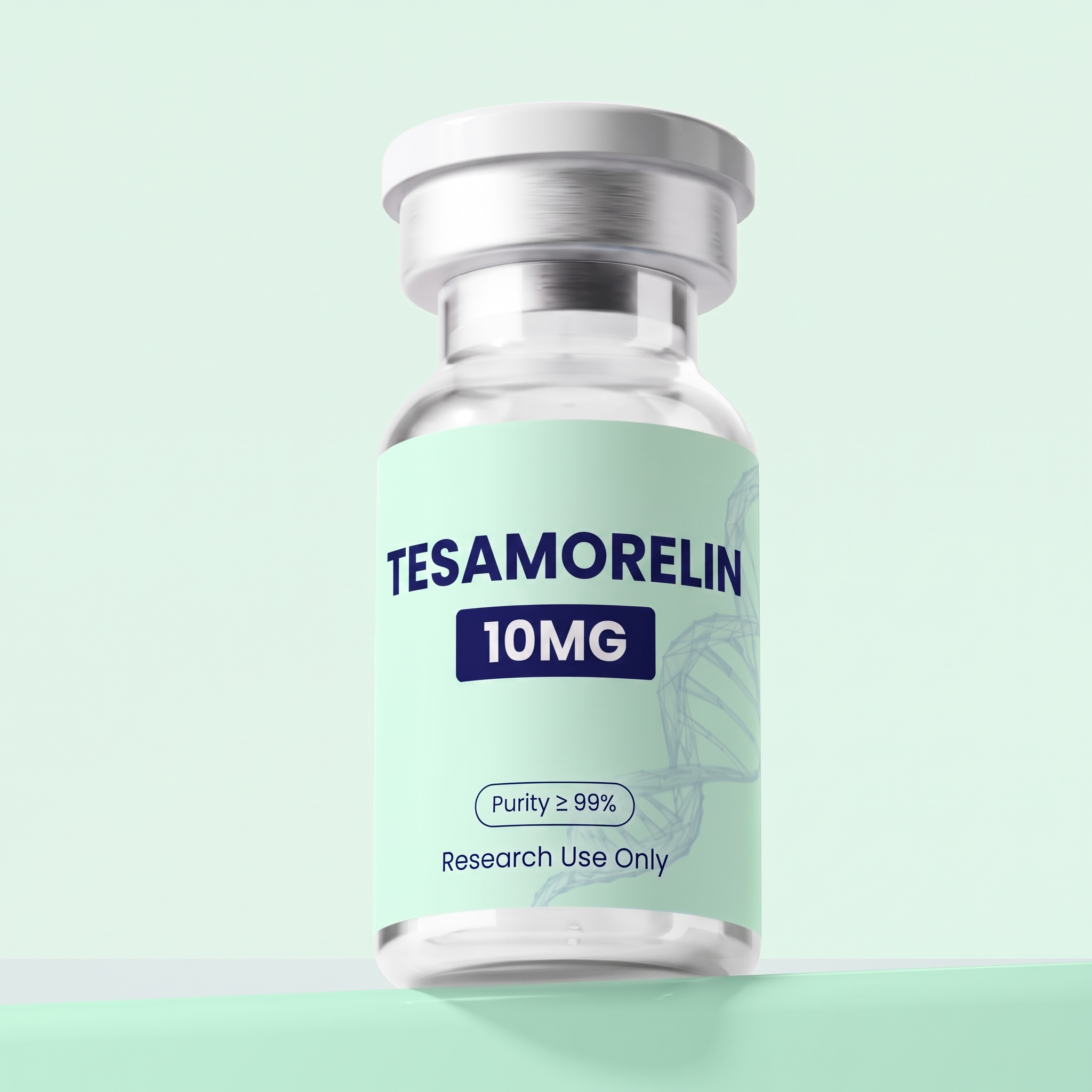
Tesamorelin (tesamorelin acetate) is a synthetic 44-amino-acid analog of human growth hormone-releasing hormone (GHRH) and the only FDA-approved medication for reducing excess abdominal fat in HIV-infected adults with lipodystrophy, marketed as Egrifta. It stimulates endogenous GH and IGF-1 production. Egrifta WR, a new weekly-reconstitution formulation, was FDA-approved in March 2025. Phase 3 trials demonstrated significant visceral fat reduction with a generally well-tolerated safety profile over 26 weeks of therapy.
 Pep Grading