Peptix USA is a U.S. based research peptide vendor that publishes batch specific COAs and states a 99%+ purity standard for most of its peptide catalog.
6 live listings from $40.00 – $84.96 · 25% off with code ALICEROS-WREW
Discounted only
Retatrutide
Sale
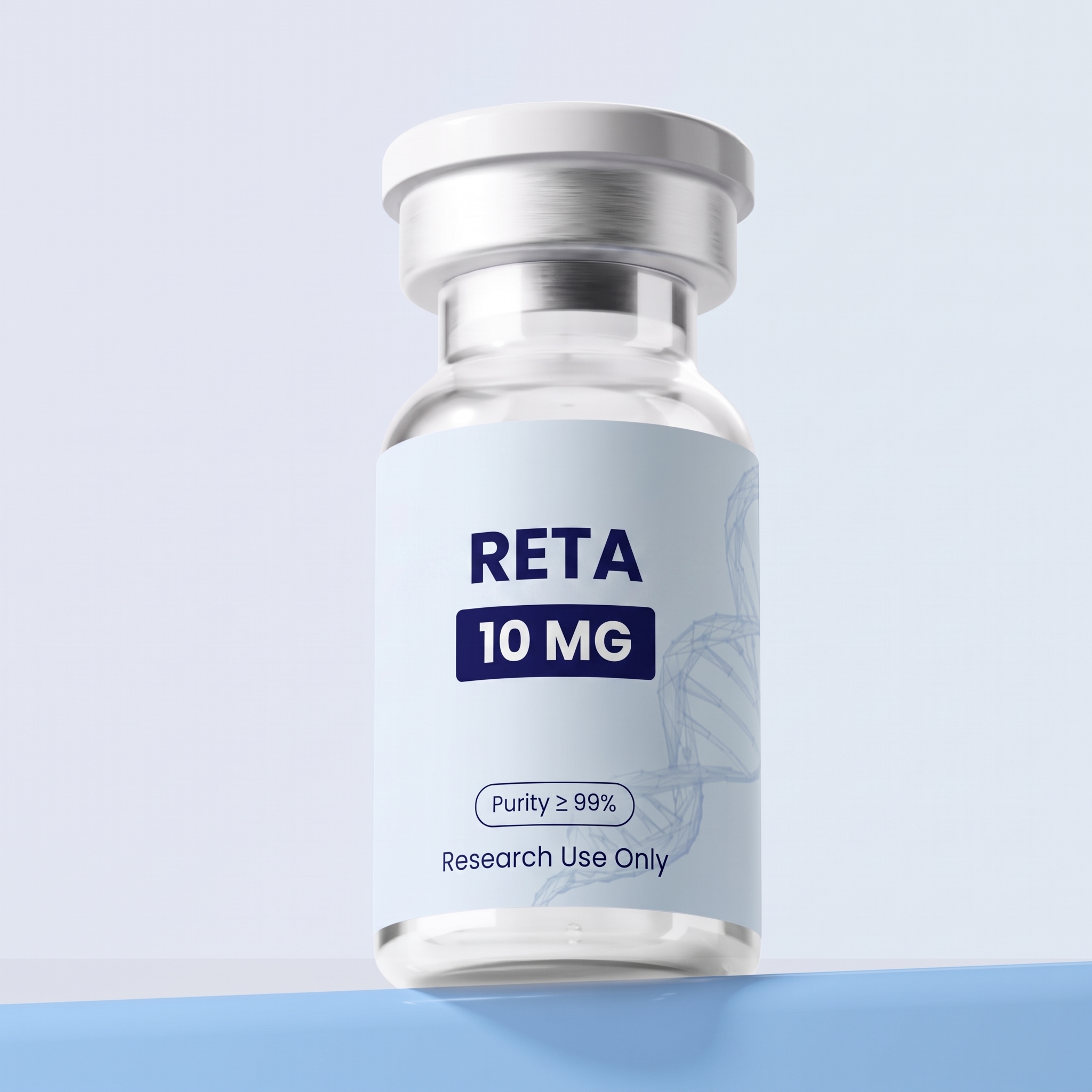
Retatrutide is an experimental once-weekly injection from Eli Lilly (internal code LY3437943). It's a single molecule that activates three receptors: GIP, GLP-1, and glucagon. Tirzepatide covers the first two, and retatrutide adds the third. It isn't approved anywhere, for anything. Lilly has said it plans to file with the FDA in the first quarter of 2027. On Peptide Grading , we list the research-labeled vials with sizes, price per mg, and COAs side by side. Being listed there isn't an endorsement, and those vials aren't Lilly's product.
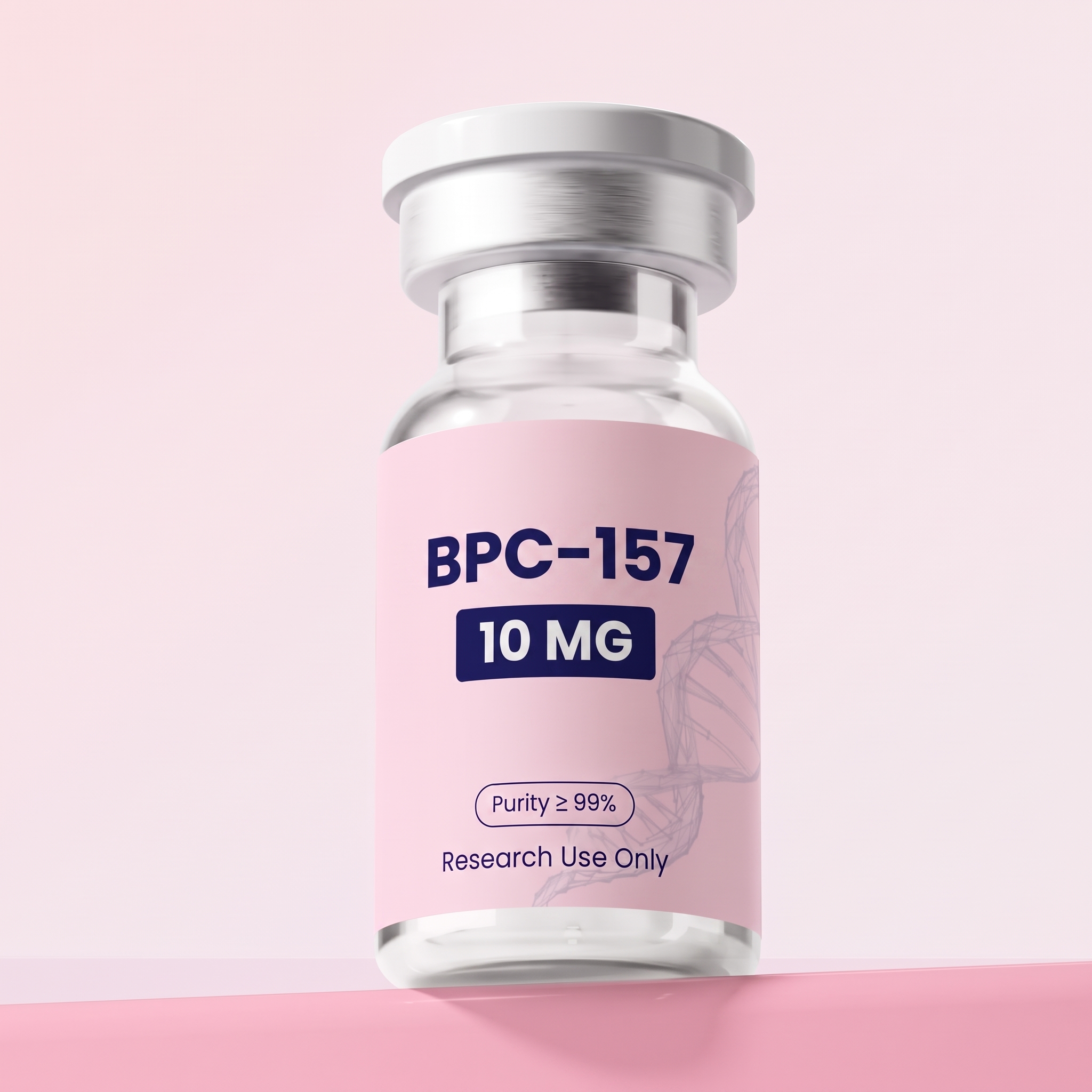
BPC-157 is a 15-amino-acid peptide first described from gastric juice. Most of the published work is preclinical, with studies covering tendon, muscle, gastrointestinal, vascular, and other injury models. Researchers have looked at several signaling pathways, including VEGFR2, nitric oxide, Akt-eNOS, and ERK1/2 . Other work has focused on angiogenesis, fibroblast activity, endothelial responses, and inflammation. Human data are still sparse. Small studies have looked at knee pain, interstitial cystitis, and intravenous safety and pharmacokinetics , but the number of human studies remains small and larger controlled trials are not available.
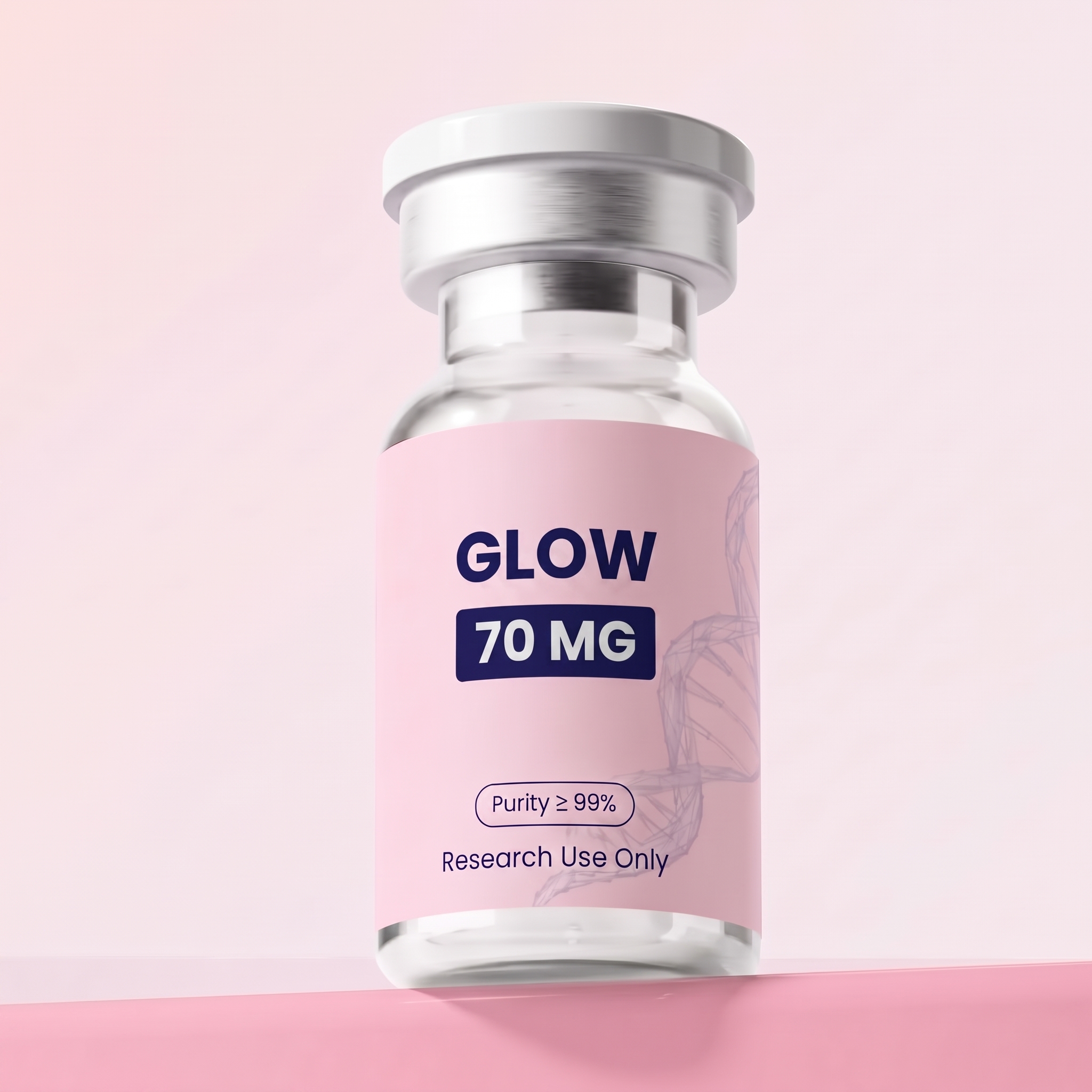
Ask five vendors what's in GLOW and you'll mostly get the same answer: GHK-Cu , BPC-157 and TB-500 in one vial. That's the whole formula. The name is a marketing label, not a pharmacological category, and the pitch is simple: a skin peptide plus two repair peptides, sold as a two-in-one. We pull GLOW listings from different vendors into one place, with vial size, price, shipping and COA links.
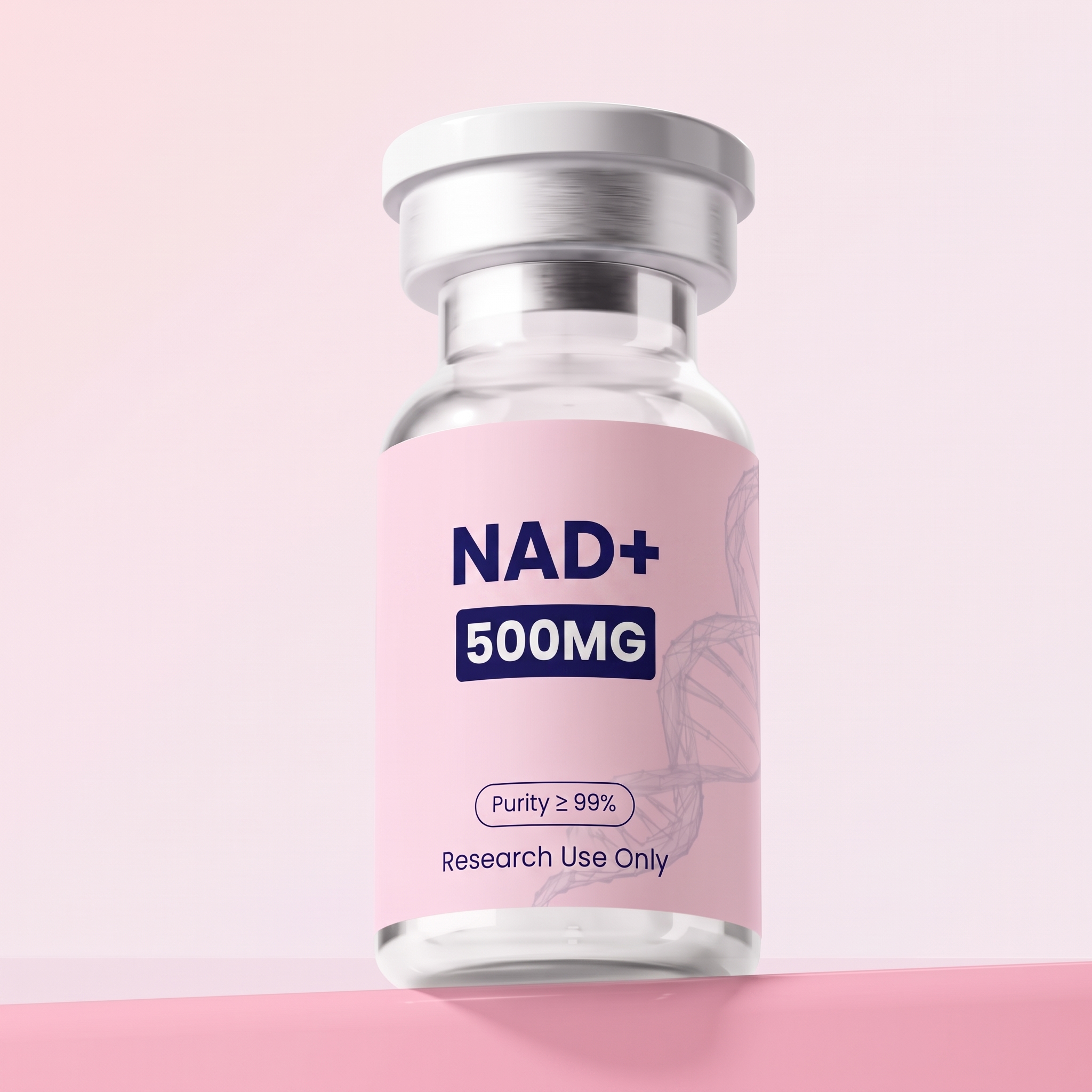
NAD+ (nicotinamide adenine dinucleotide) is a naturally occurring cellular coenzyme involved in energy metabolism, redox reactions, and several signaling pathways. It is found throughout living cells and continuously shifts between its oxidized NAD+ and reduced NADH forms. Unlike peptide compounds, NAD+ is a dinucleotide, making its research profile quite different from synthetic peptide products.
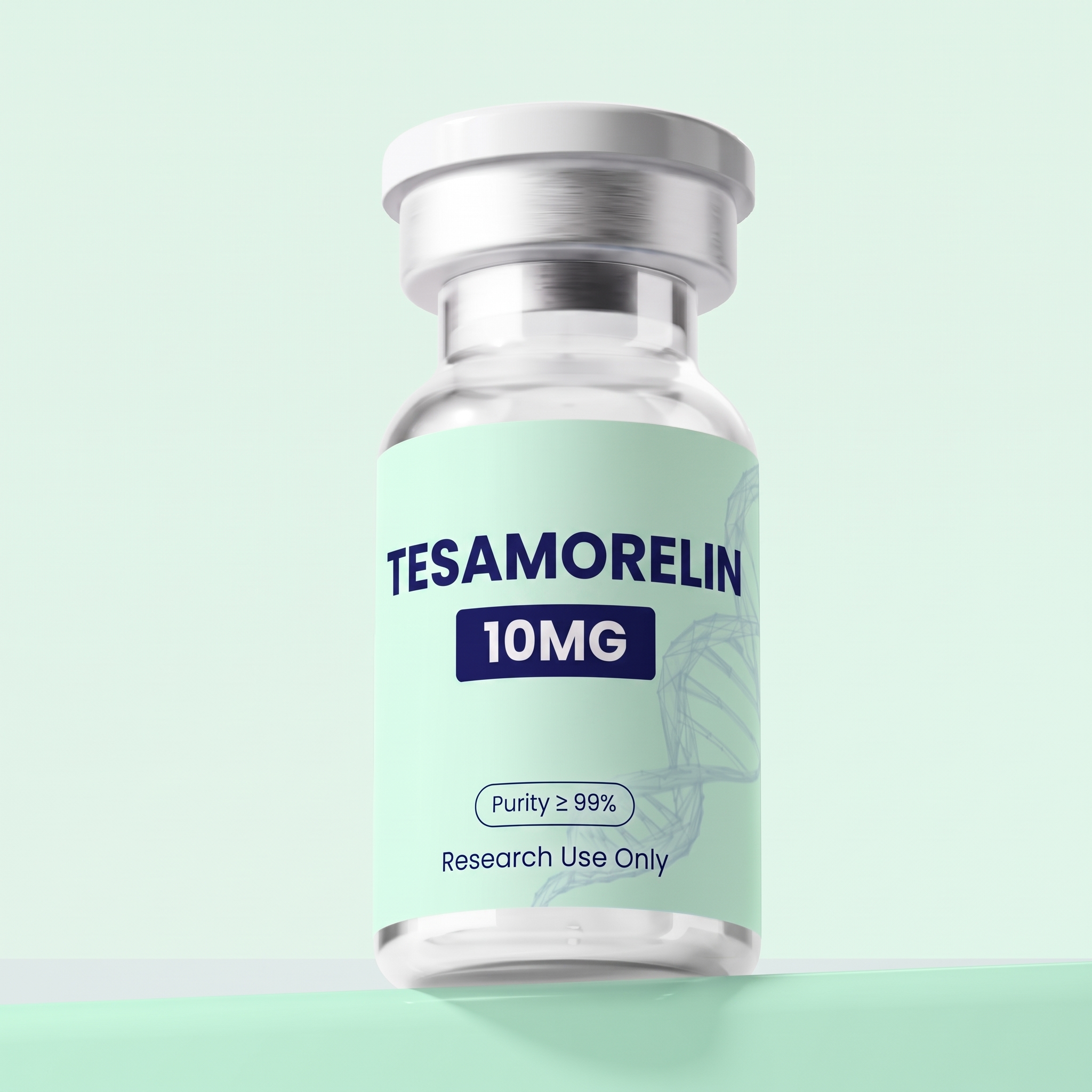
Tesamorelin is a synthetic 44-amino-acid analogue of human growth hormone-releasing factor (GRF). The peptide carries an N-terminal hexenoyl group, a structural change that distinguishes it from native GRF while retaining activity at the GRF receptor. Tesamorelin has been studied extensively in human endocrine research, particularly in work involving growth hormone release and IGF-1 response. Peptide Grading compares current listings by supplier, quantity, stated specifications, COA availability, shipping, and price per mg.
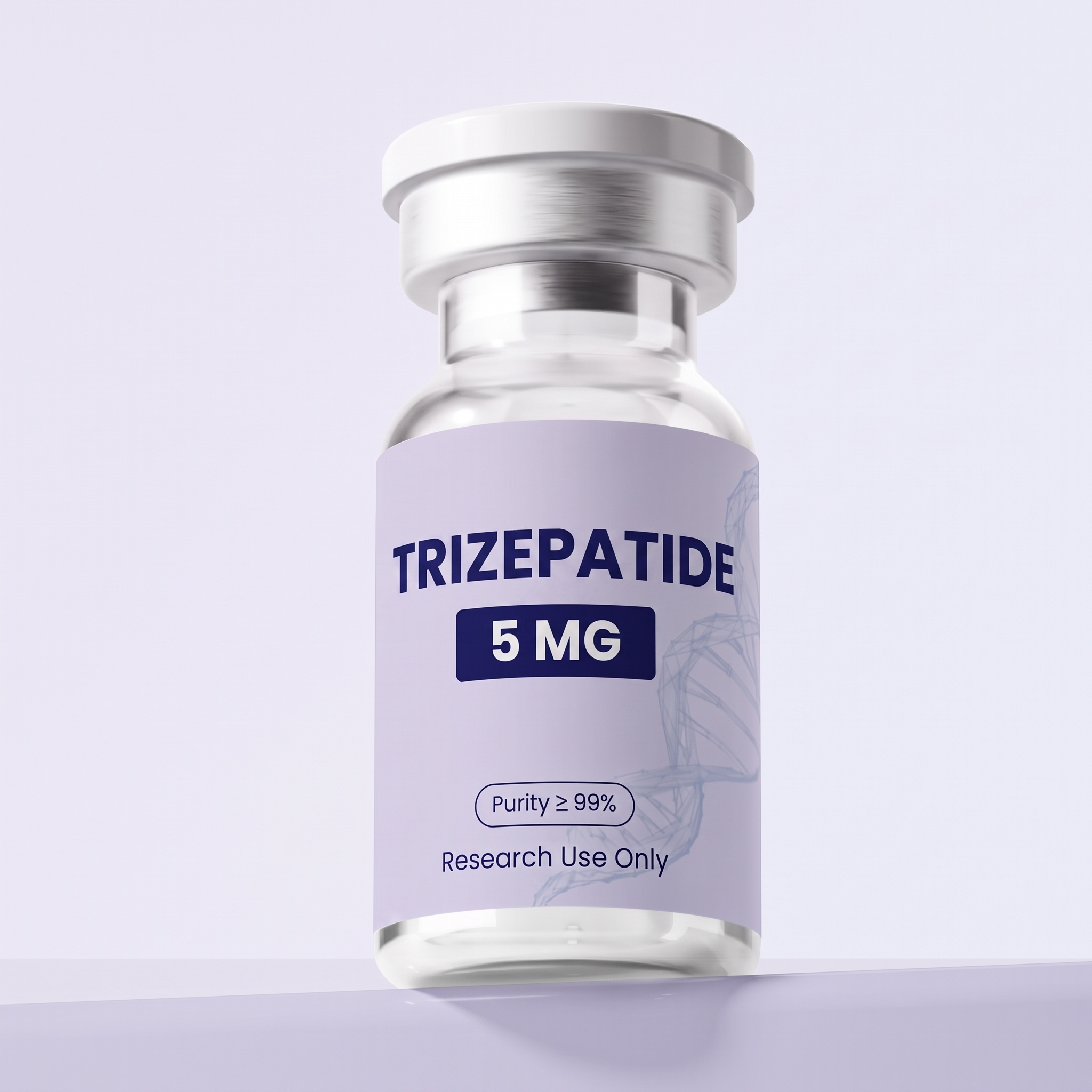
Tirzepatide is a first-in-class dual GIP and GLP-1 receptor agonist developed by Eli Lilly, FDA-approved for type 2 diabetes (Mounjaro) and chronic weight management (Zepbound) including severe obstructive sleep apnea in adults with obesity. It is a 39-amino-acid peptide with a C20 fatty di-acid moiety that promotes albumin binding, enabling once-weekly dosing. Clinical trials consistently demonstrate it delivers the most substantial weight reduction among incretin-based therapies, with up to 22.5% mean body weight loss at 72 weeks.
 Peptide Grading