LA Peptides provides high-quality, research-grade peptides with full transparency, fast shipping, and scientific integrity. Discover a wide range of peptides, lab support, and trusted resources for peptide research.
18 live listings from $39.99 – $129.99 · 10% off with code ALICEROSELEN
Discounted only
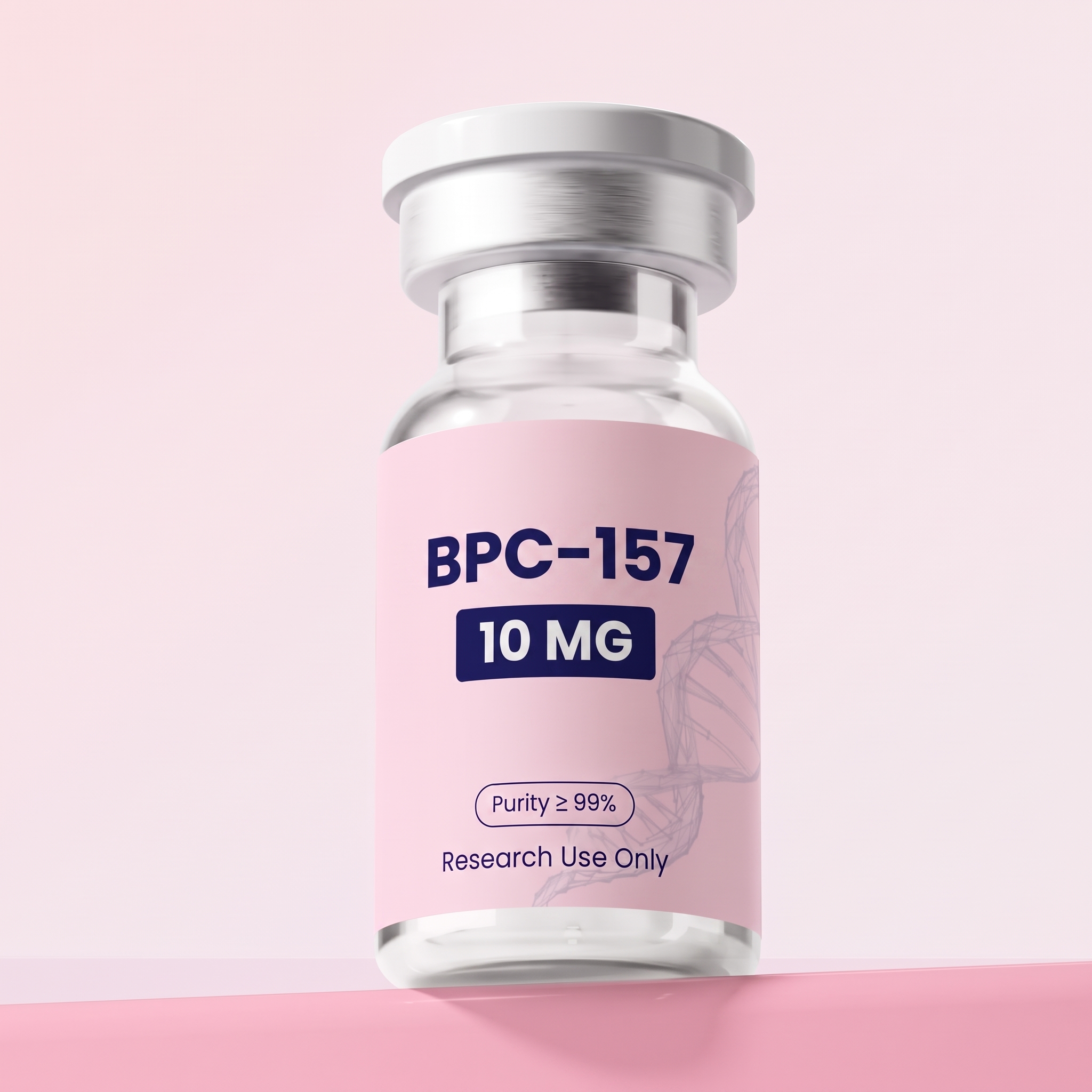
BPC-157
BPC-157 is a 15-amino-acid peptide first described from gastric juice. Most of the published work is preclinical, with studies covering tendon, muscle, gastrointestinal, vascular, and other injury models. Researchers have looked at several signaling pathways, including VEGFR2, nitric oxide, Akt-eNOS, and ERK1/2 . Other work has focused on angiogenesis, fibroblast activity, endothelial responses, and inflammation. Human data are still sparse. Small studies have looked at knee pain, interstitial cystitis, and intravenous safety and pharmacokinetics , but the number of human studies remains small and larger controlled trials are not available.
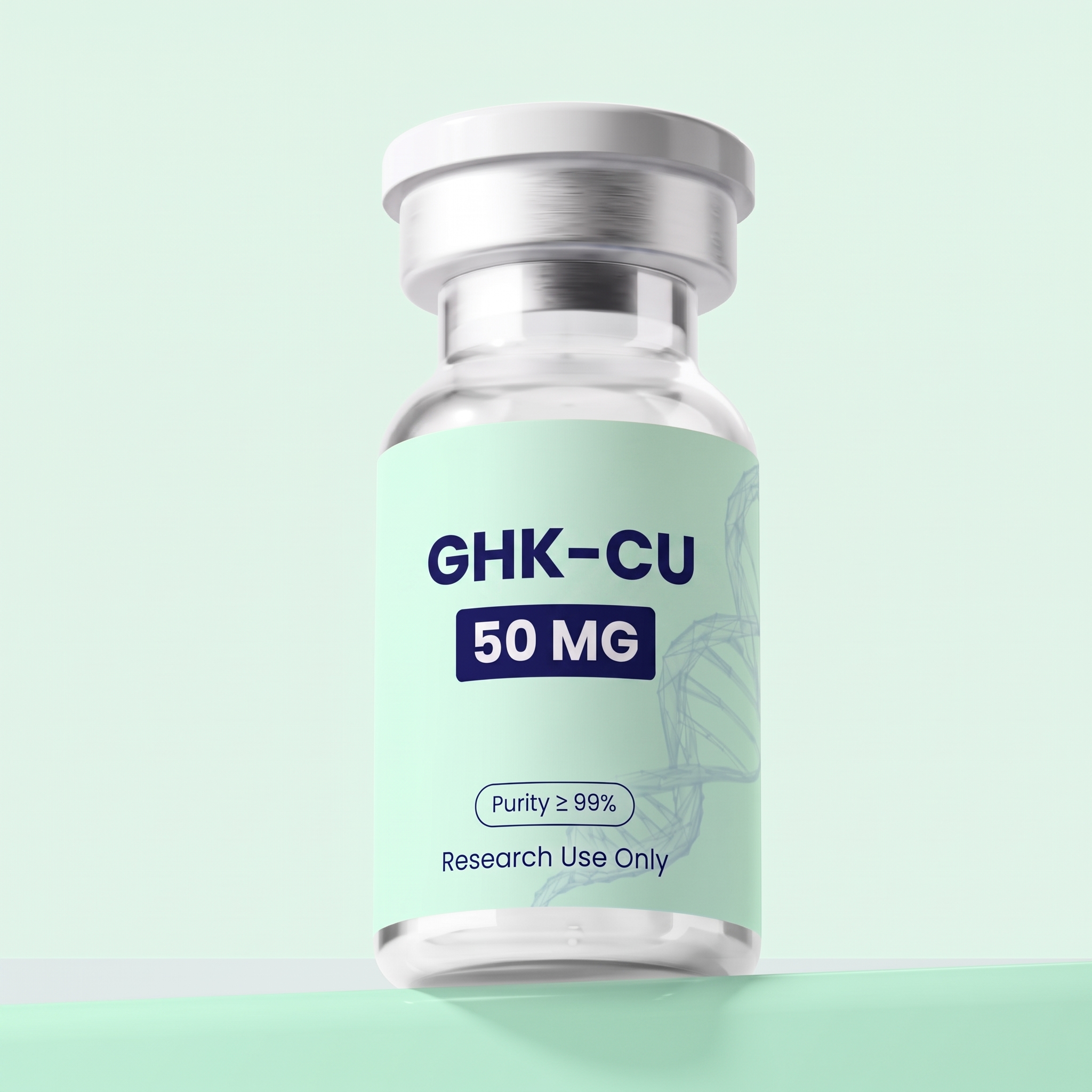
If you've ever seen a blue-tinted skincare serum, you've already met GHK-Cu. It's a copper-carrying tripeptide that was first pulled out of human blood plasma back in 1973, and it's been sitting in cosmetics for decades. What's newer is its life as a research peptide: vials of it, and blends like Glow and Klow that put it alongside BPC-157 and TB-500 . I'll say upfront that GHK-Cu is a bit unusual in this catalog. It has a long research history, and the skin-care version is a mainstream cosmetic ingredient. But no GHK-Cu drug is approved by the FDA, and the injectable side is much less studied than the creams. On Peptide Grading , we line up the research-labeled listings, with vendors, sizes, price per mg, and COAs , so you can see the differences. A listing isn't a recommendation to use it.
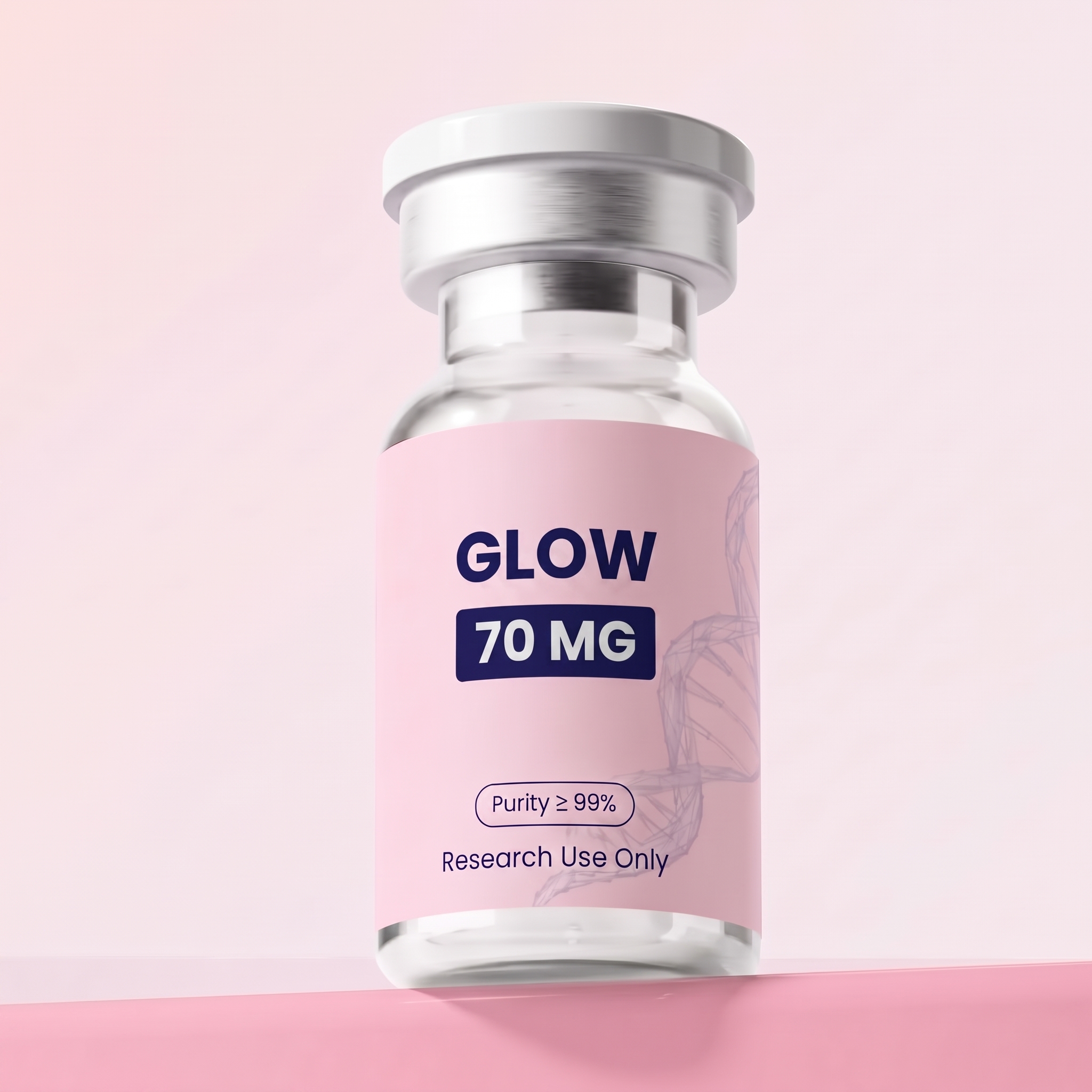
Ask five vendors what's in GLOW and you'll mostly get the same answer: GHK-Cu , BPC-157 and TB-500 in one vial. That's the whole formula. The name is a marketing label, not a pharmacological category, and the pitch is simple: a skin peptide plus two repair peptides, sold as a two-in-one. We pull GLOW listings from different vendors into one place, with vial size, price, shipping and COA links.
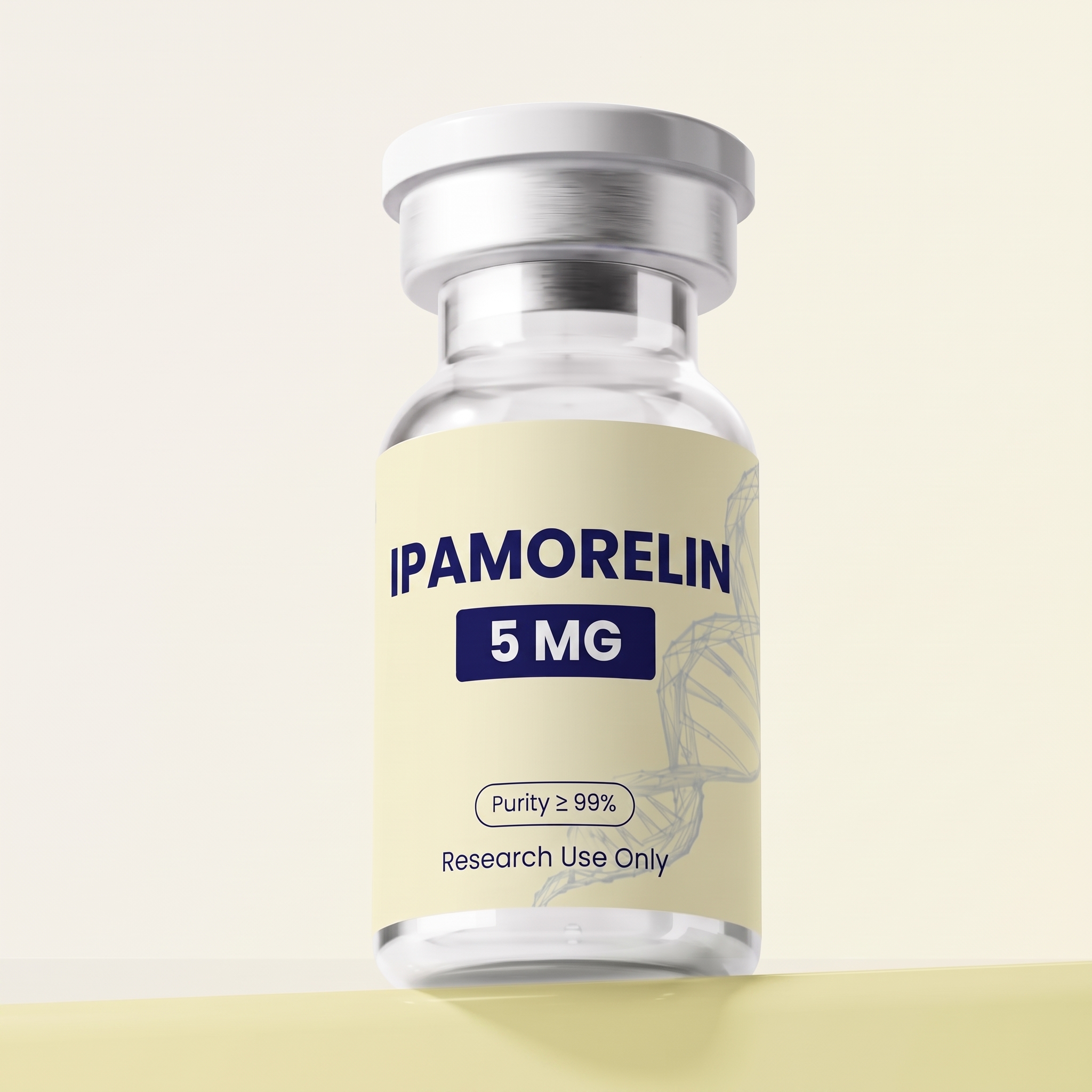
Ipamorelin is a five-amino-acid peptide that switches on the ghrelin receptor and makes the pituitary release growth hormone. Novo Nordisk researchers built it in the 1990s, and what made it interesting was how narrow its effect looked. Older compounds in the same family pushed up other hormones too. Ipamorelin mostly didn't. It has no approved use anywhere. A Phase 2 trial in the early 2000s tried it for a bowel problem after surgery, and it didn't work well enough to continue. So what's left is mostly lab and animal data, and the research-labeled vials that vendors sell. On Peptide Grading , we list those vials with vendors, sizes, price per mg, and COA documents in one place, so you can compare them without hunting through tabs.
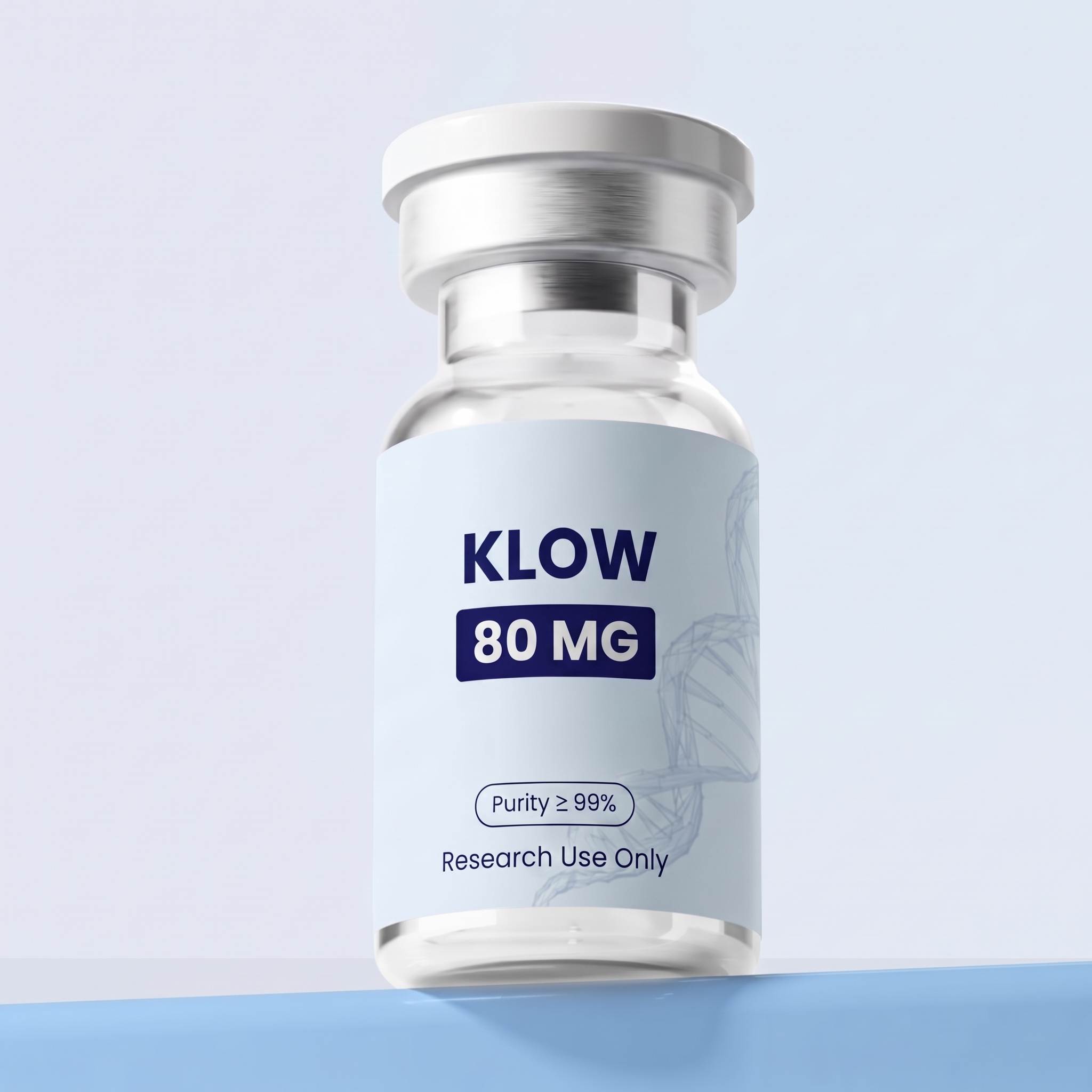
Klow Stack is Glow plus KPV: four peptides ( GHK-Cu , BPC-157 , TB-500 , KPV) in one vial. Each one is researched for a different job, from tissue remodeling to inflammation. The catch is that the research is on the peptides individually, mostly in animals. Nobody has published results on the blend itself. Klow packs them into a single product instead of four separate vials. On Peptide Grading , we track Klow Stack listings in one place: vendors, vial sizes, price per mg, shipping details, and certificate of analysis (COA) documents, so you don't need ten tabs open to compare them.
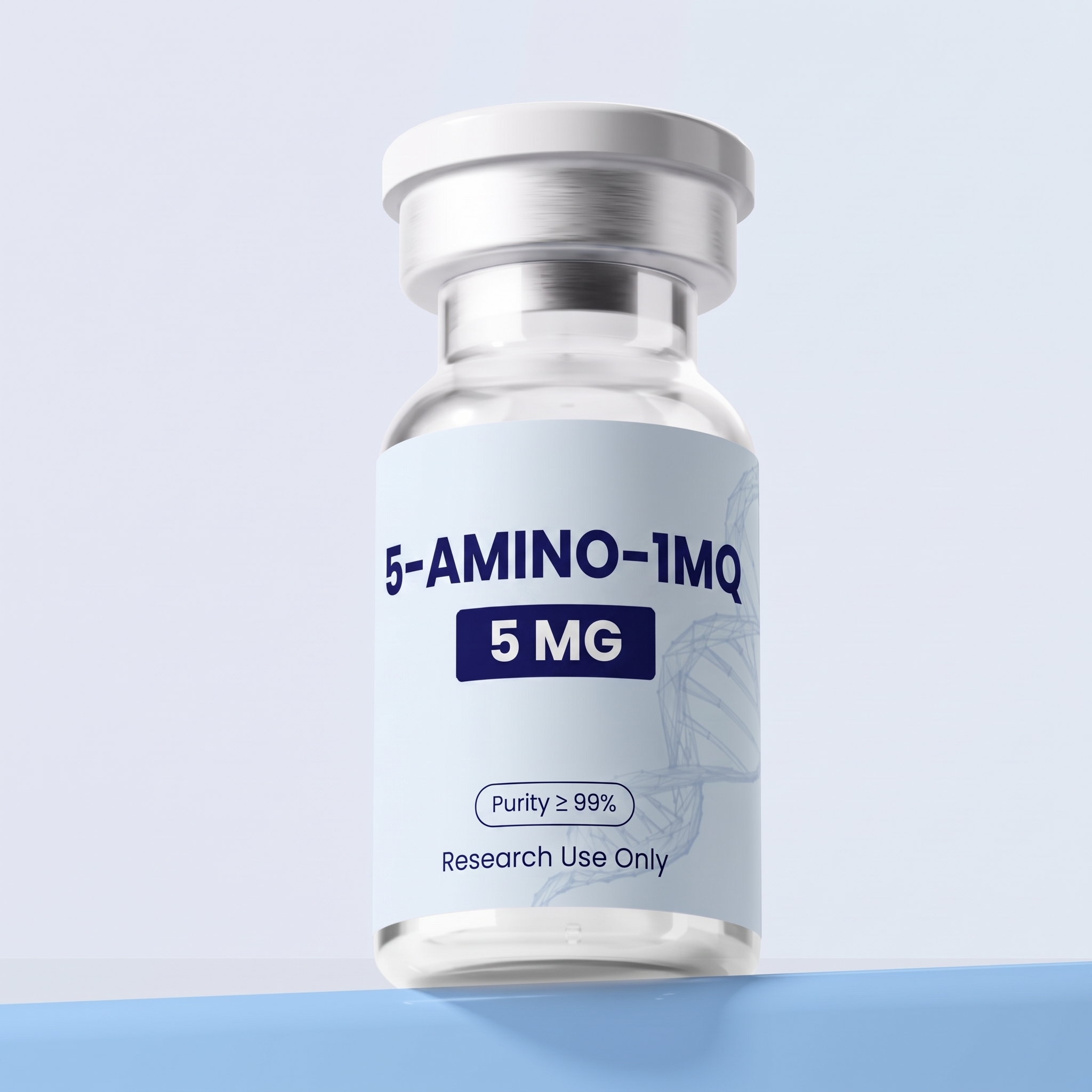
5-Amino-1MQ is a small-molecule inhibitor of nicotinamide N-methyltransferase (NNMT) . Unlike peptide compounds, it is a quinolinium-based molecule studied mainly in cell and animal models to understand NNMT activity, methylation metabolism, and related NAD+ pathways. Current evidence remains preclinical , with no established human clinical profile.
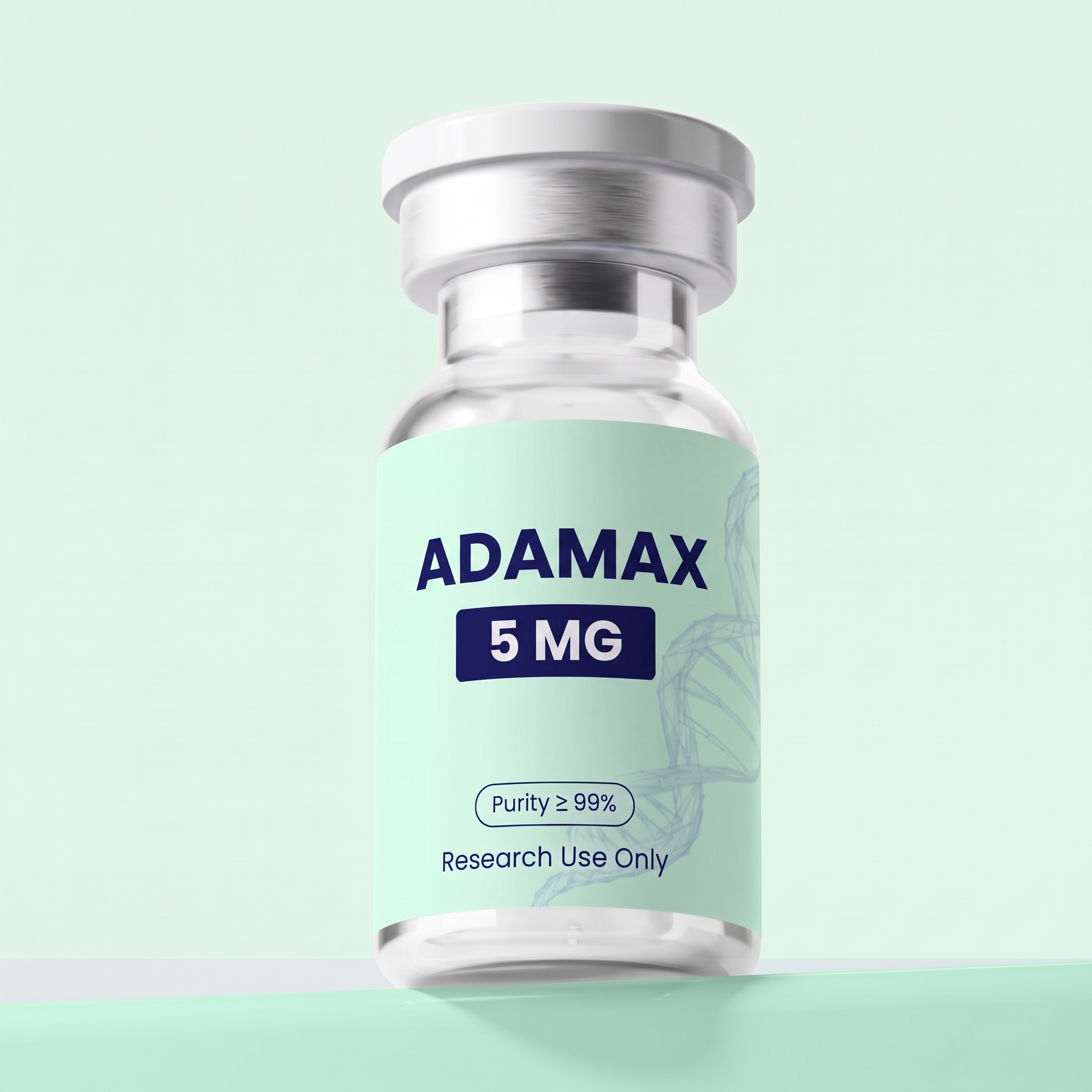
Adamax is a good example of how fast this market moves. It showed up on vendor sites a couple of years ago as a "stronger Semax ," and nearly every page describing it repeats the same lines. When I went looking for primary literature on Adamax itself, I couldn't find any. What exists is the research on its two parent compounds, and a design idea that borrows from both. I'll lay out what's known, what's borrowed, and what's just marketing. On Peptide Grading , we list the research-labeled vials with sizes, price per mg, and COAs side by side. A listing doesn't mean any of the claims below have been shown.
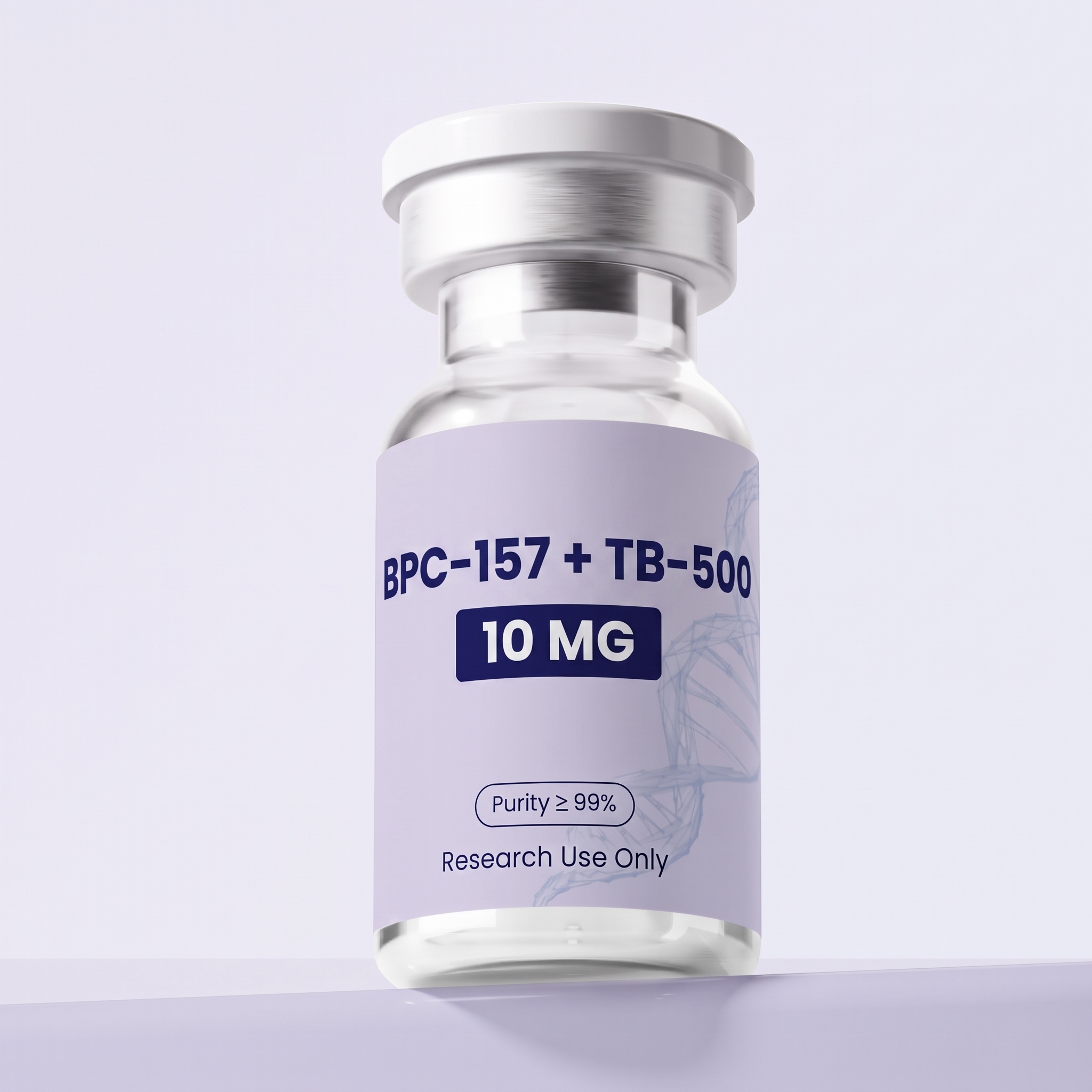
A BPC-157 and TB-500 blend, often called the "Wolverine Stack" is an informal combination of two synthetic peptides studied for tissue repair, cellular movement, and recovery
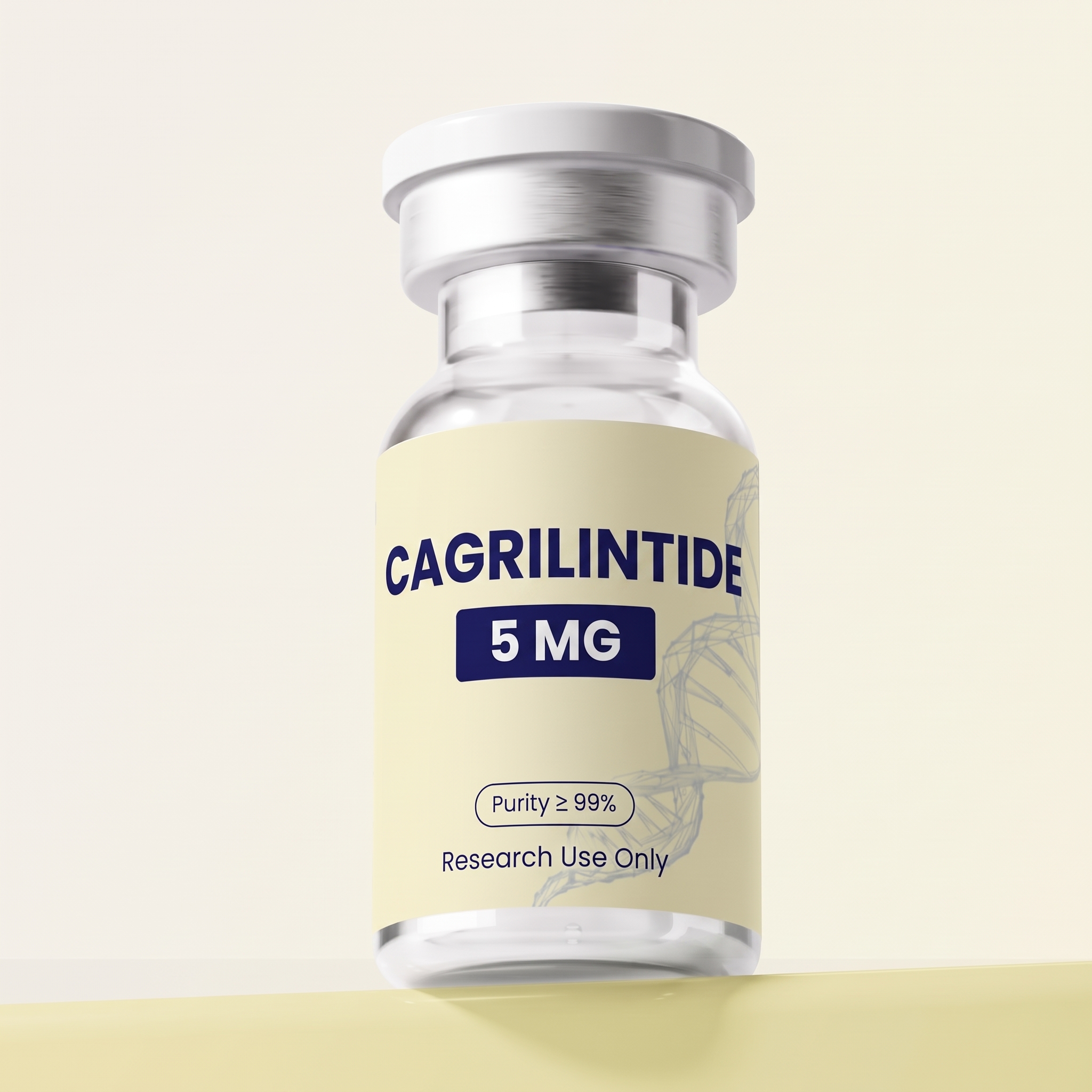
Cagrilintide is based on amylin , a hormone that helps regulate appetite and blood sugar after eating. Its structure was modified from natural amylin to make the peptide last longer. Unlike semaglutide, which mainly targets the GLP-1 receptor , cagrilintide acts through amylin and calcitonin-family receptors . Cagrilintide has also been studied on its own and together with semaglutide. Peptide Grading lists cagrilintide research materials from different suppliers. Listings can include supplier details, reported specifications, COA, quantities, shipping information, and price per mg .
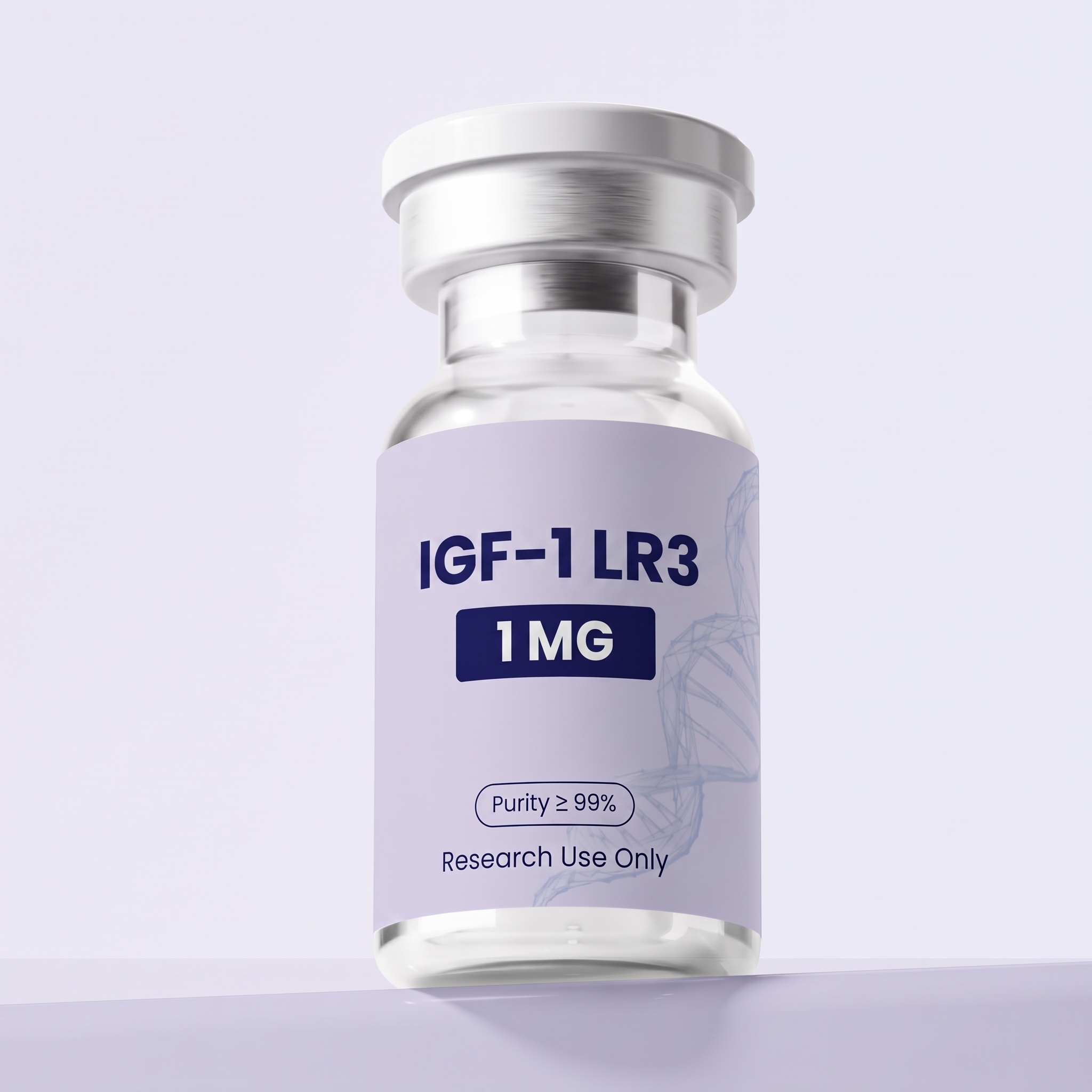
IGF-1 LR3, also called Long R3 IGF-1 , is a recombinant analogue of human insulin-like growth factor 1. Its structure combines a 13-amino-acid N-terminal extension with an arginine substitution at position 3 of the mature IGF-1 sequence. These changes were designed to alter how the molecule interacts with IGF-binding proteins while retaining activity at the IGF-1 receptor. Research has therefore used IGF-1 LR3 as a tool for studying IGF signaling, cell growth, protein synthesis, and growth-factor biology.
 Peptide Grading