Retatrutide is a first-in-class investigational triple hormone receptor agonist (GIP, GLP-1, and glucagon) developed by Eli Lilly. In the Phase 2 trial (Jastreboff et al., NEJM 2023, n=338), the 12 mg dose achieved 24.2% mean body weight reduction at 48 weeks, with 100% of participants achieving at least 5% weight loss. Multiple Phase 3 TRIUMPH trials are ongoing, with TRIUMPH-4 (Dec 2025) reporting average loss up to 71.2 lbs with osteoarthritis pain relief. Expected FDA approval is 2027-2028.
Tirzepatide is a first-in-class dual GIP and GLP-1 receptor agonist developed by Eli Lilly, FDA-approved for type 2 diabetes (Mounjaro) and chronic weight management (Zepbound) including severe obstructive sleep apnea in adults with obesity. It is a 39-amino-acid peptide with a C20 fatty di-acid moiety that promotes albumin binding, enabling once-weekly dosing. Clinical trials consistently demonstrate it delivers the most substantial weight reduction among incretin-based therapies, with up to 22.5% mean body weight loss at 72 weeks.
GHK-Cu is a naturally occurring copper-binding tripeptide (glycyl-L-histidyl-L-lysine) found in human plasma, saliva, and urine. First discovered by Dr. Loren Pickart in 1973, plasma levels average 200 ng/mL at age 20 but decline to ~80 ng/mL by age 60. It has been extensively studied for wound healing, collagen synthesis, skin regeneration, and gene modulation, with decades of cosmetic use and a broad safety profile. Molecular weight is approximately 340 g/mol (as the copper complex), with the formula C14H24N6O4Cu.
Semaglutide is an FDA-approved GLP-1 receptor agonist (MW ~4113.6 g/mol, molecular formula C187H291N45O59) with 94% sequence homology to human GLP-1. It is approved for type 2 diabetes (Ozempic), chronic weight management (Wegovy), and non-cirrhotic MASH (Wegovy). Developed by Novo Nordisk and first FDA-approved December 5, 2017, it is backed by the extensive STEP and SUSTAIN trial programs involving thousands of patients. There is no generic semaglutide available, and the FDA has warned about counterfeit products.
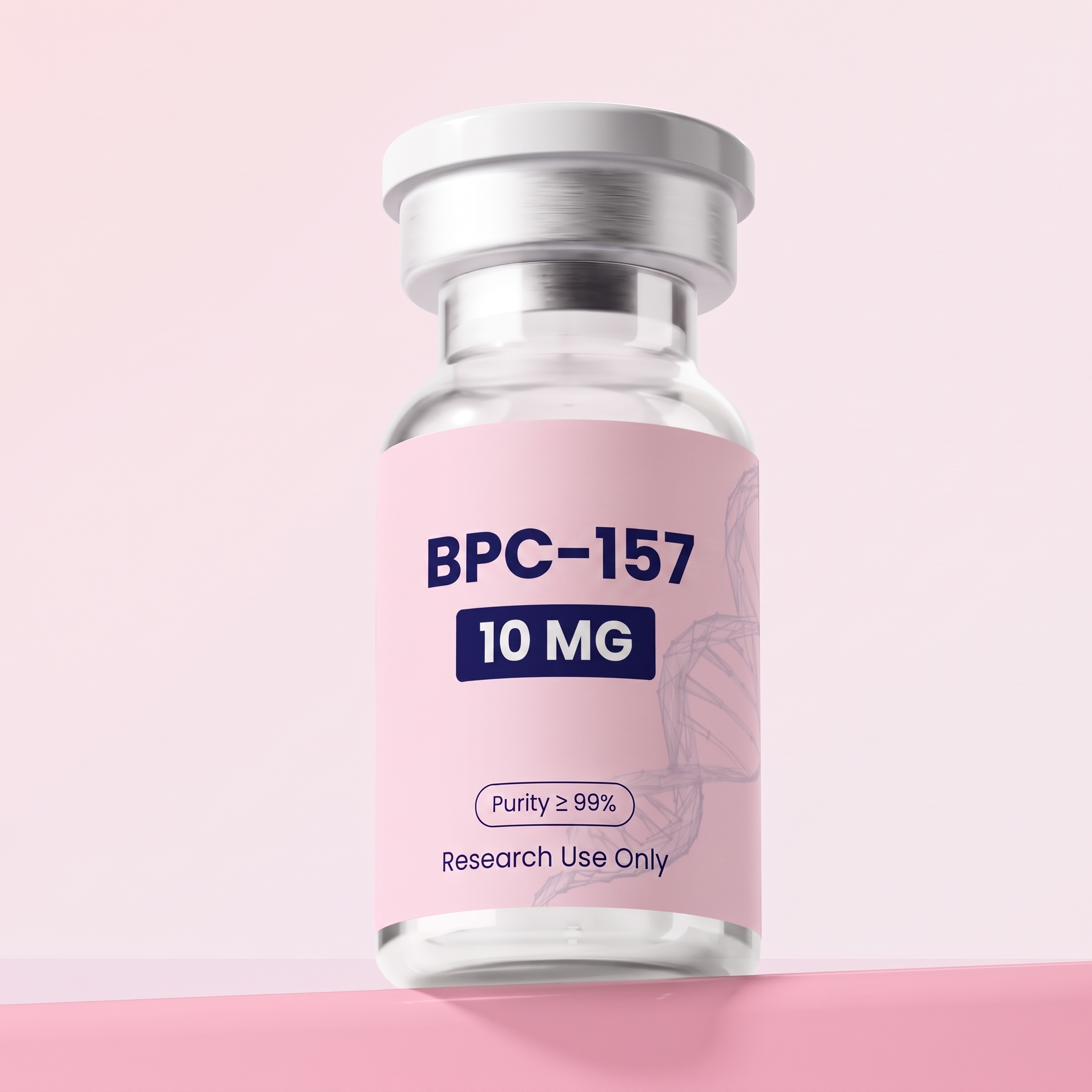
BPC-157 is a synthetic 15-amino-acid peptide (sequence: Gly-Glu-Pro-Pro-Pro-Gly-Lys-Pro-Ala-Asp-Asp-Ala-Gly-Leu-Val, MW ~1419.5 g/mol) derived from a protein found in human gastric juice. It has demonstrated robust regenerative and cytoprotective effects across hundreds of animal studies spanning tendon, ligament, muscle, bone, nerve, GI tract, and blood vessel healing. However, human clinical data is extremely limited — only three pilot studies have examined BPC-157 in humans as of 2025 (knee pain n=16, interstitial cystitis n=12, IV safety n=2). The FDA classifies it as Category 2, prohibiting compounding, and WADA bans its use in sports.
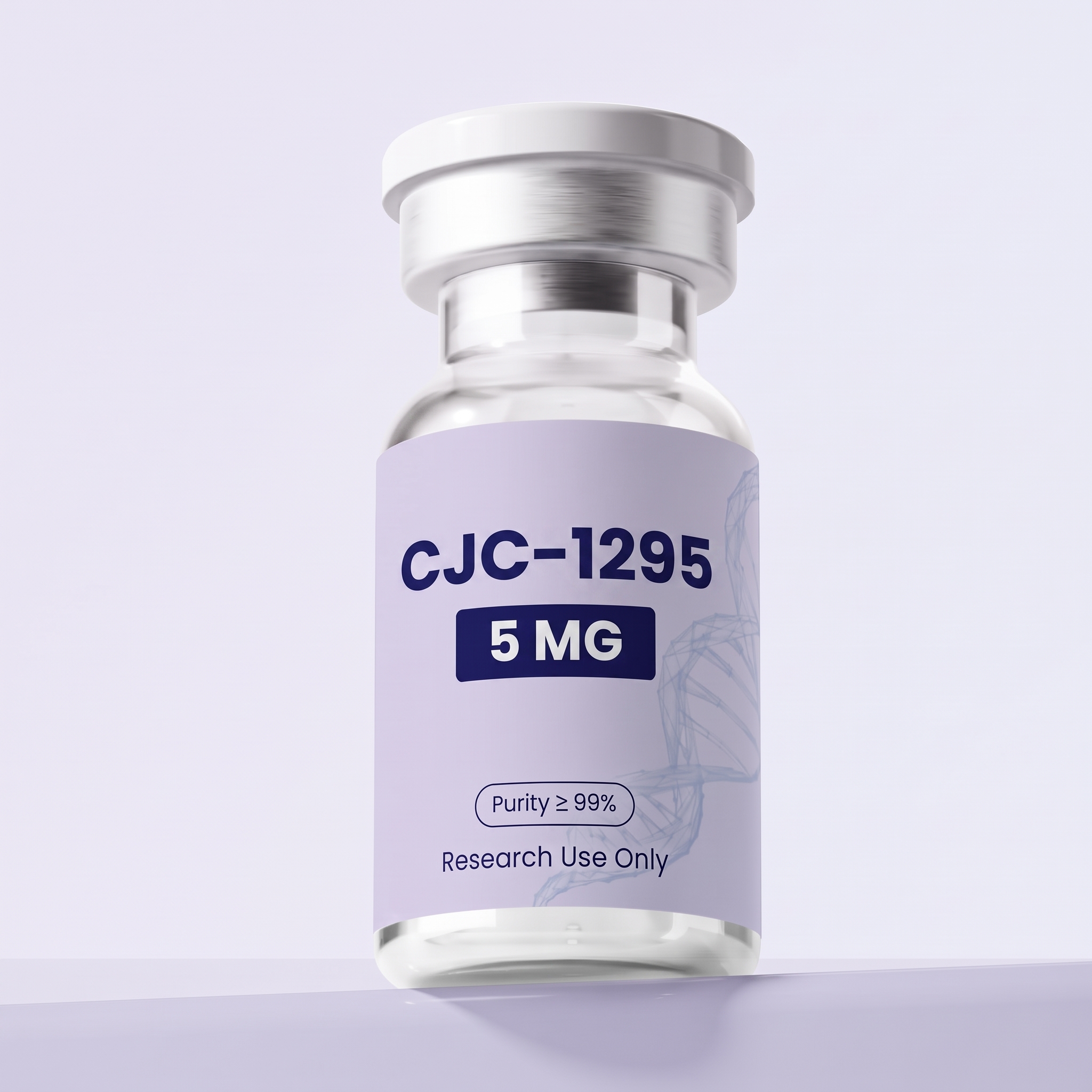
CJC-1295 is a synthetic analogue of growth hormone-releasing hormone (GHRH) originally developed by ConjuChem Technologies for HIV-associated lipodystrophy. It exists in two forms: with DAC (Drug Affinity Complex) for extended half-life of 5.8-8.1 days, and without DAC (Mod GRF 1-29) for shorter, pulsatile release with a half-life of approximately 30 minutes. Two 2006 randomized, placebo-controlled, double-blind clinical trials (Teichman et al.) demonstrated dose-dependent GH increases of 2-10 fold and IGF-1 increases of 1.5-3 fold in healthy adults aged 21-61. The No DAC version is generally considered the safer choice due to its physiological pulsatile pattern.
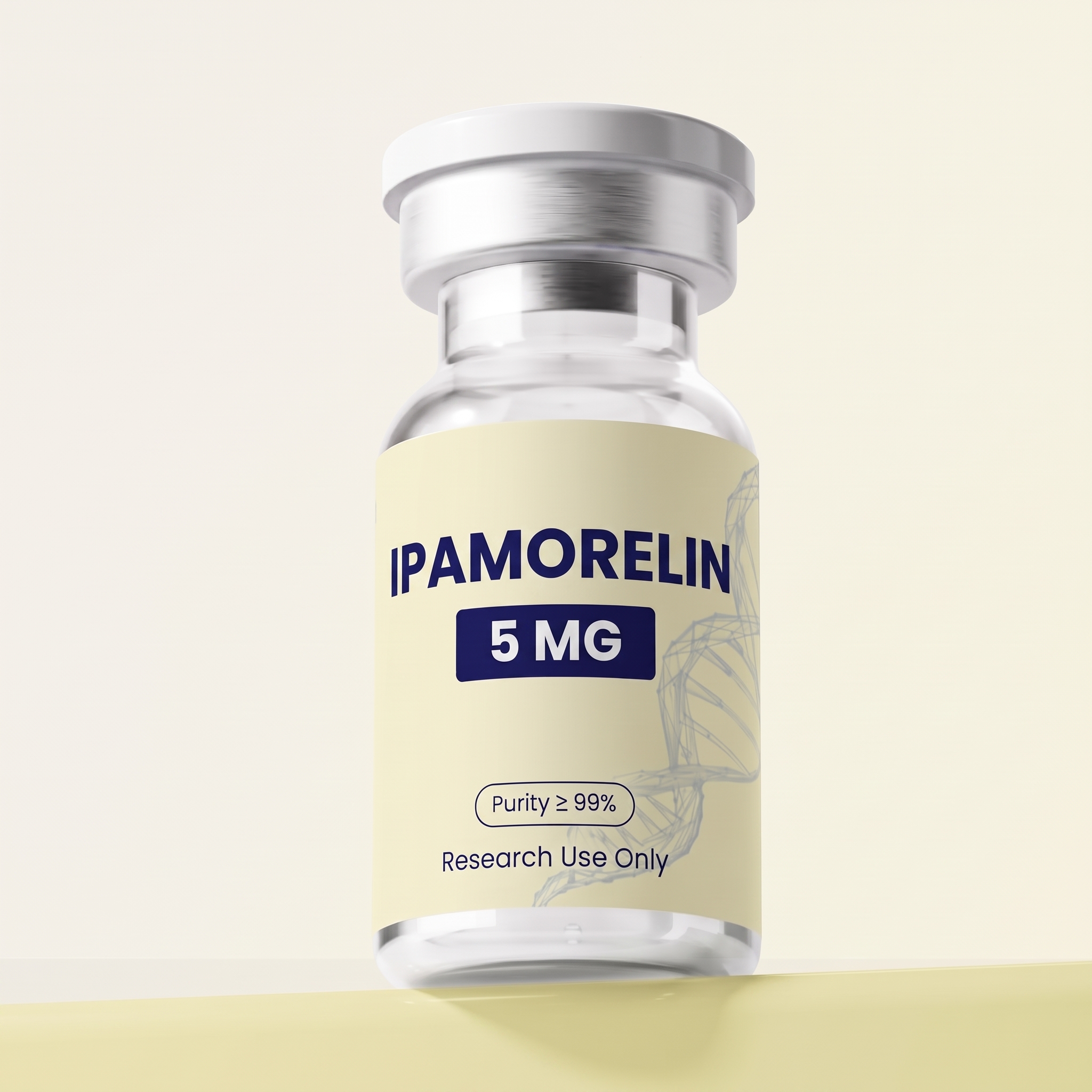
Ipamorelin is the most selective growth hormone secretagogue (GHS) available, a synthetic pentapeptide (MW ~711.86 g/mol, formula C38H49N9O5) that stimulates pulsatile GH release from the pituitary gland without significantly affecting cortisol, prolactin, or appetite. It is widely regarded as the mildest GHS, making it popular in anti-aging, body composition, and recovery contexts. However, research on ipamorelin is limited, and it is not FDA-approved for any indication.
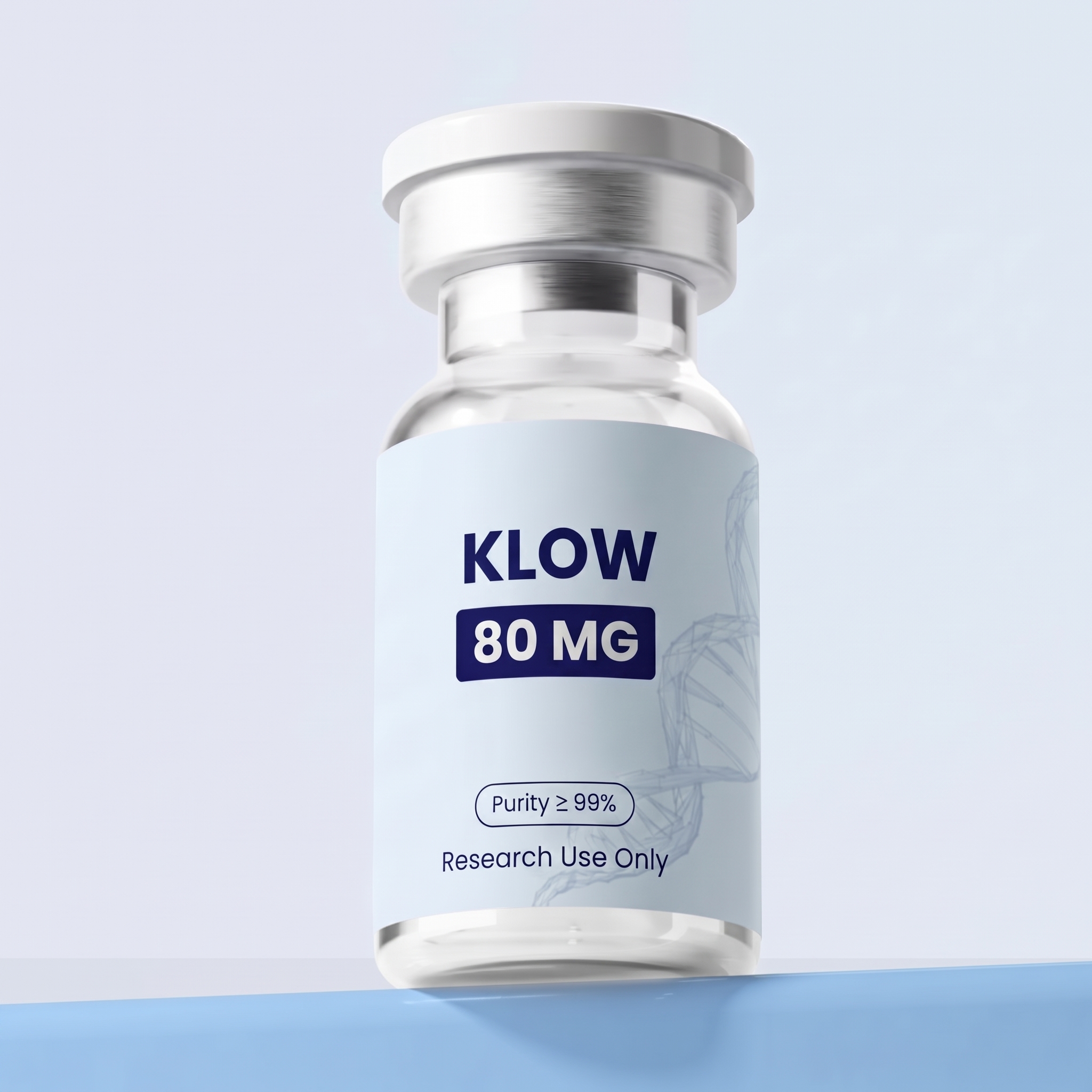
KLOW is a research peptide blend containing GHK-Cu, BPC-157, TB-500, and KPV. Its individual components have been studied in preclinical research involving tissue repair, cellular signaling, and inflammatory pathways, but the complete blend has not been clinically validated.
Adamax is a synthetic derivative of Semax featuring an adamantane moiety that enhances blood-brain barrier (BBB) penetration and extends its half-life. Like Semax, it is derived from the ACTH(4-10) fragment but with additional N-acetyl and C-terminal adamantyl modifications. It is proposed to increase BDNF expression more potently than standard Semax and may have stronger nootropic and neuroprotective effects. No human clinical trials exist; all evidence is preclinical or anecdotal from self-experimenters.
A BPC-157 and TB-500 blend, often called the "Wolverine Stack" is an informal combination of two synthetic peptides studied for tissue repair, cellular movement, and recovery
 Pep Grading