31 live listings from $25.00 – $149.00 · 10% off with code ALICE10
Discounted only
AOD-9604
AOD-9604 is a modified fragment of human growth hormone (amino acids 176-191 with an added tyrosine). It was developed to study growth hormone's effect on fat breakdown without its effects on growth or blood sugar, and reached human weight-loss trials before development stopped.
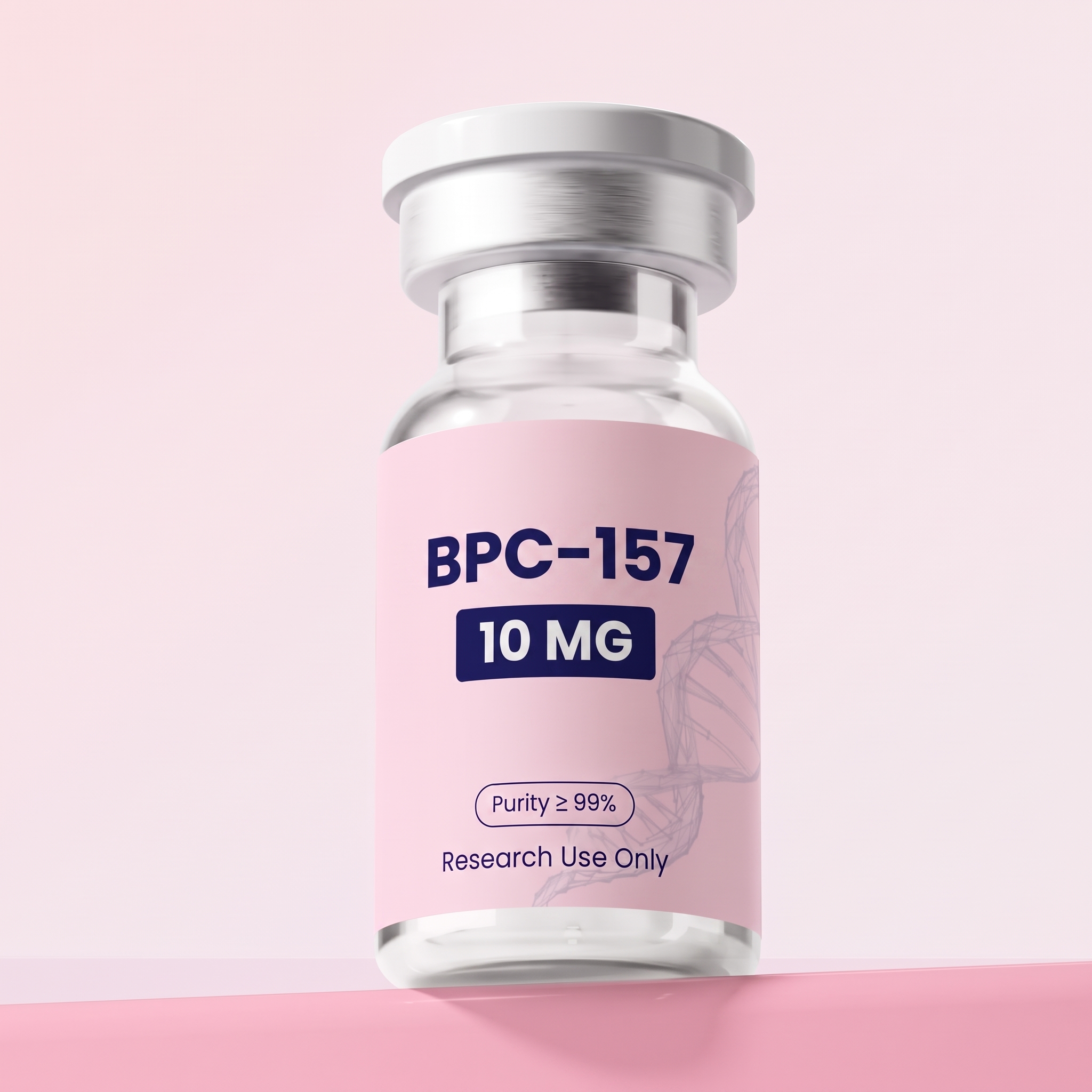
BPC-157 is a 15-amino-acid peptide first described from gastric juice. Most of the published work is preclinical, with studies covering tendon, muscle, gastrointestinal, vascular, and other injury models. Researchers have looked at several signaling pathways, including VEGFR2, nitric oxide, Akt-eNOS, and ERK1/2 . Other work has focused on angiogenesis, fibroblast activity, endothelial responses, and inflammation. Human data are still sparse. Small studies have looked at knee pain, interstitial cystitis, and intravenous safety and pharmacokinetics , but the number of human studies remains small and larger controlled trials are not available.
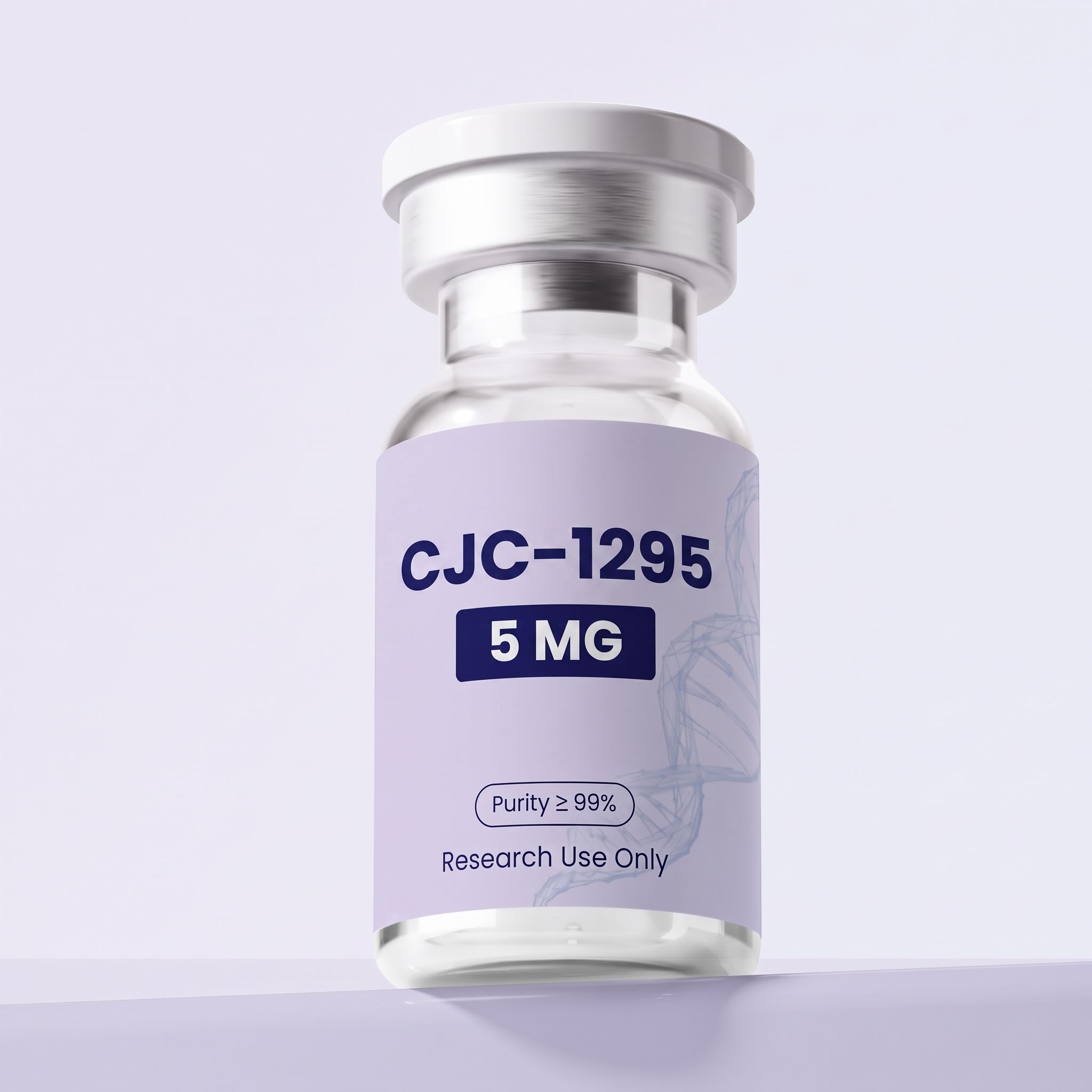
CJC-1295 is a member of the GHRH analogue family of peptides and consists of a sequence derived from hGRF(1-29). The addition of a DAC group allows for prolonged exposure by binding to albumin compared to native GHRH. That longer exposure is what makes CJC-1295 interesting in human pharmacology. Studies have followed changes in GH and IGF-1 , along with the pharmacokinetic behavior of the DAC form. At Peptide Grading , CJC-1295 listings can be compared by material form, supplier, reported specifications, COA documentation, quantity, shipping and price per mg.
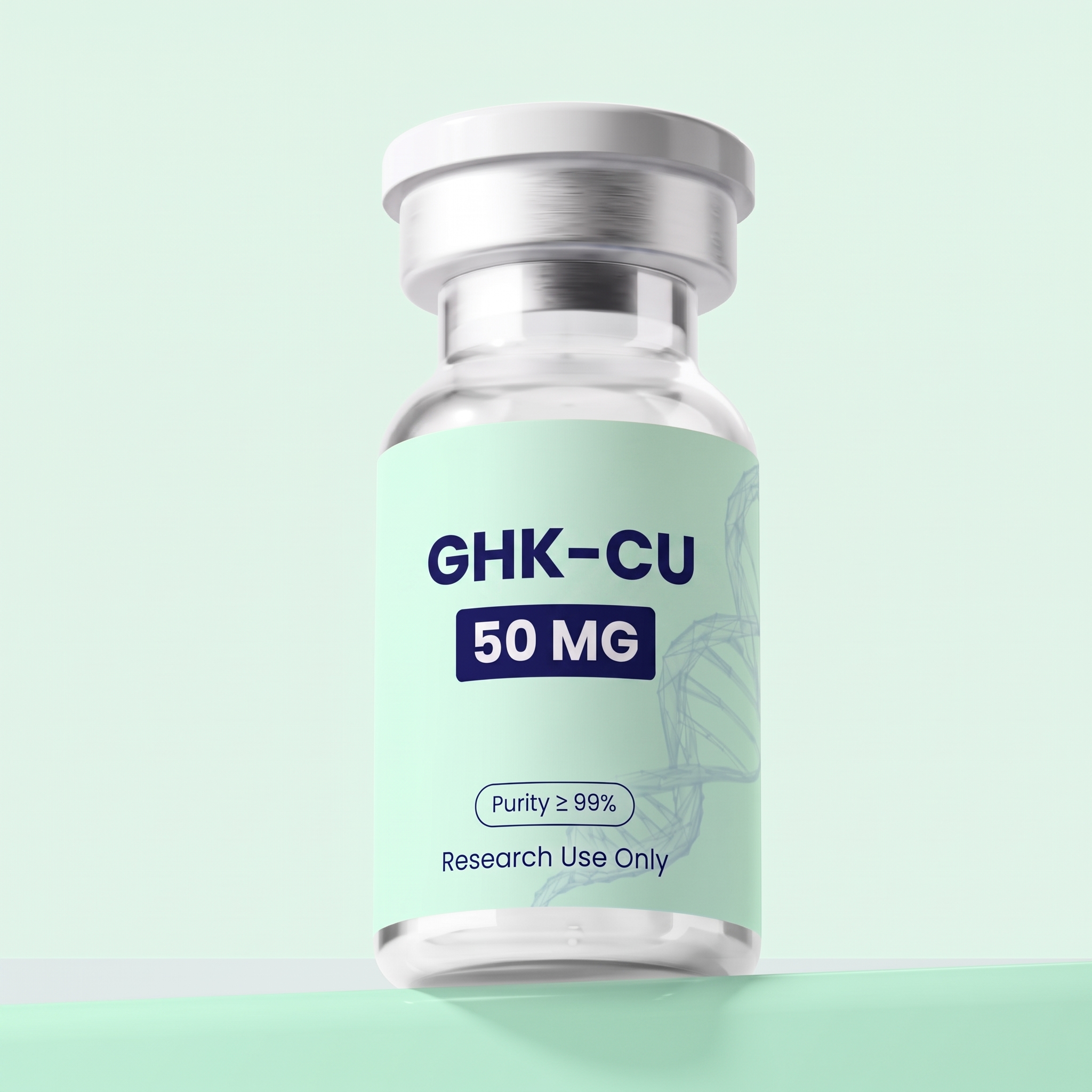
If you've ever seen a blue-tinted skincare serum, you've already met GHK-Cu. It's a copper-carrying tripeptide that was first pulled out of human blood plasma back in 1973, and it's been sitting in cosmetics for decades. What's newer is its life as a research peptide: vials of it, and blends like Glow and Klow that put it alongside BPC-157 and TB-500 . I'll say upfront that GHK-Cu is a bit unusual in this catalog. It has a long research history, and the skin-care version is a mainstream cosmetic ingredient. But no GHK-Cu drug is approved by the FDA, and the injectable side is much less studied than the creams. On Peptide Grading , we line up the research-labeled listings, with vendors, sizes, price per mg, and COAs , so you can see the differences. A listing isn't a recommendation to use it.
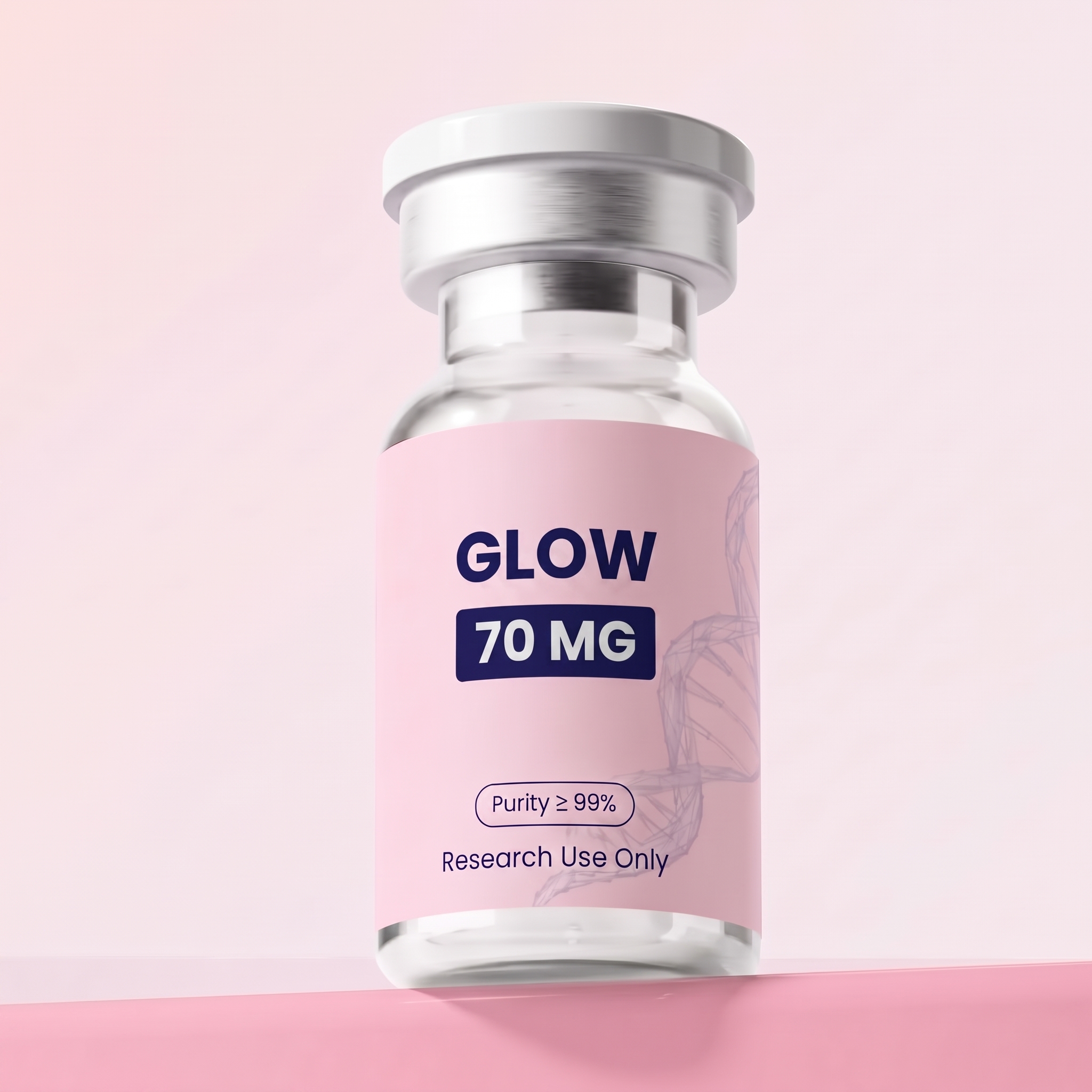
Ask five vendors what's in GLOW and you'll mostly get the same answer: GHK-Cu , BPC-157 and TB-500 in one vial. That's the whole formula. The name is a marketing label, not a pharmacological category, and the pitch is simple: a skin peptide plus two repair peptides, sold as a two-in-one. We pull GLOW listings from different vendors into one place, with vial size, price, shipping and COA links.
 Peptide Grading