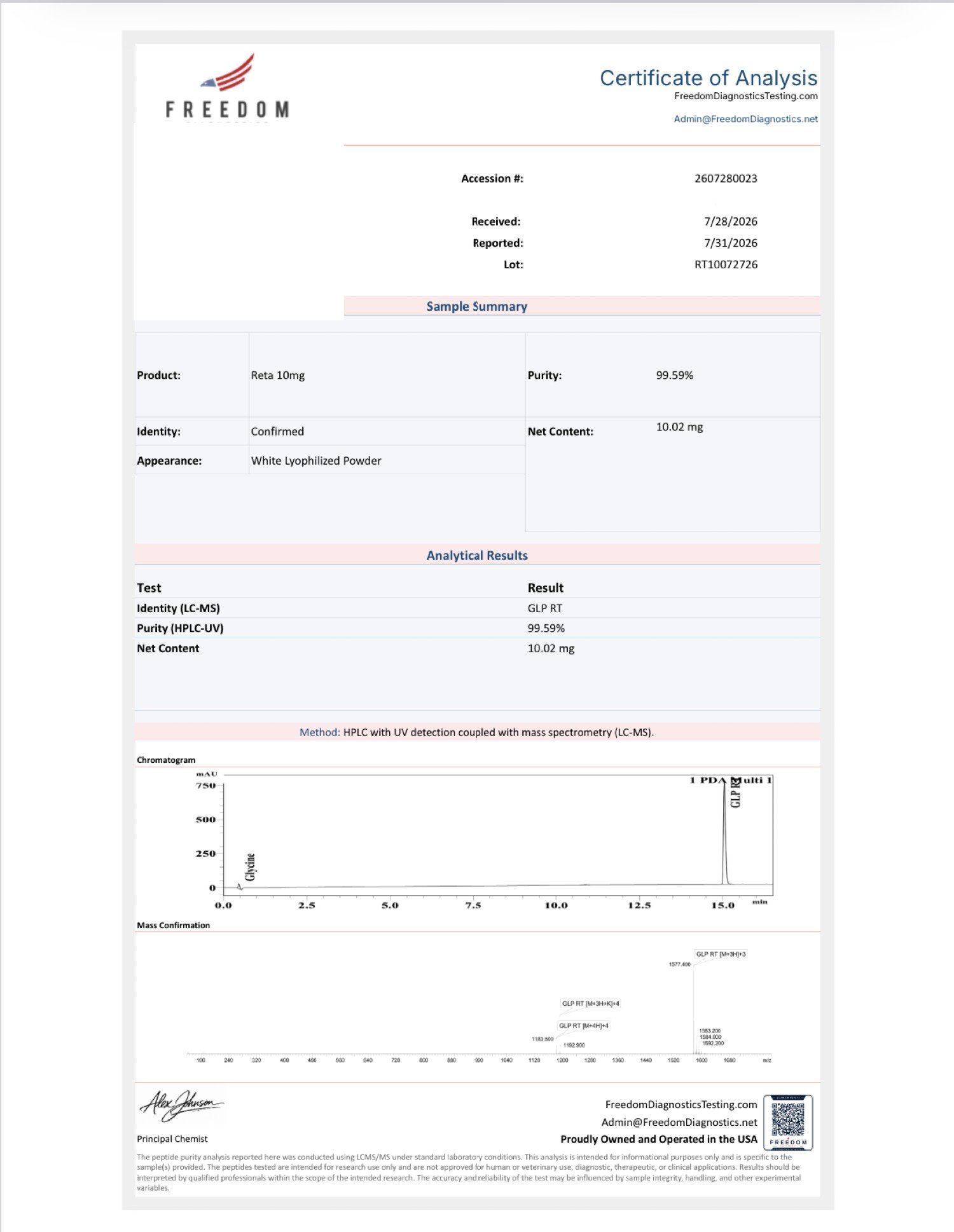
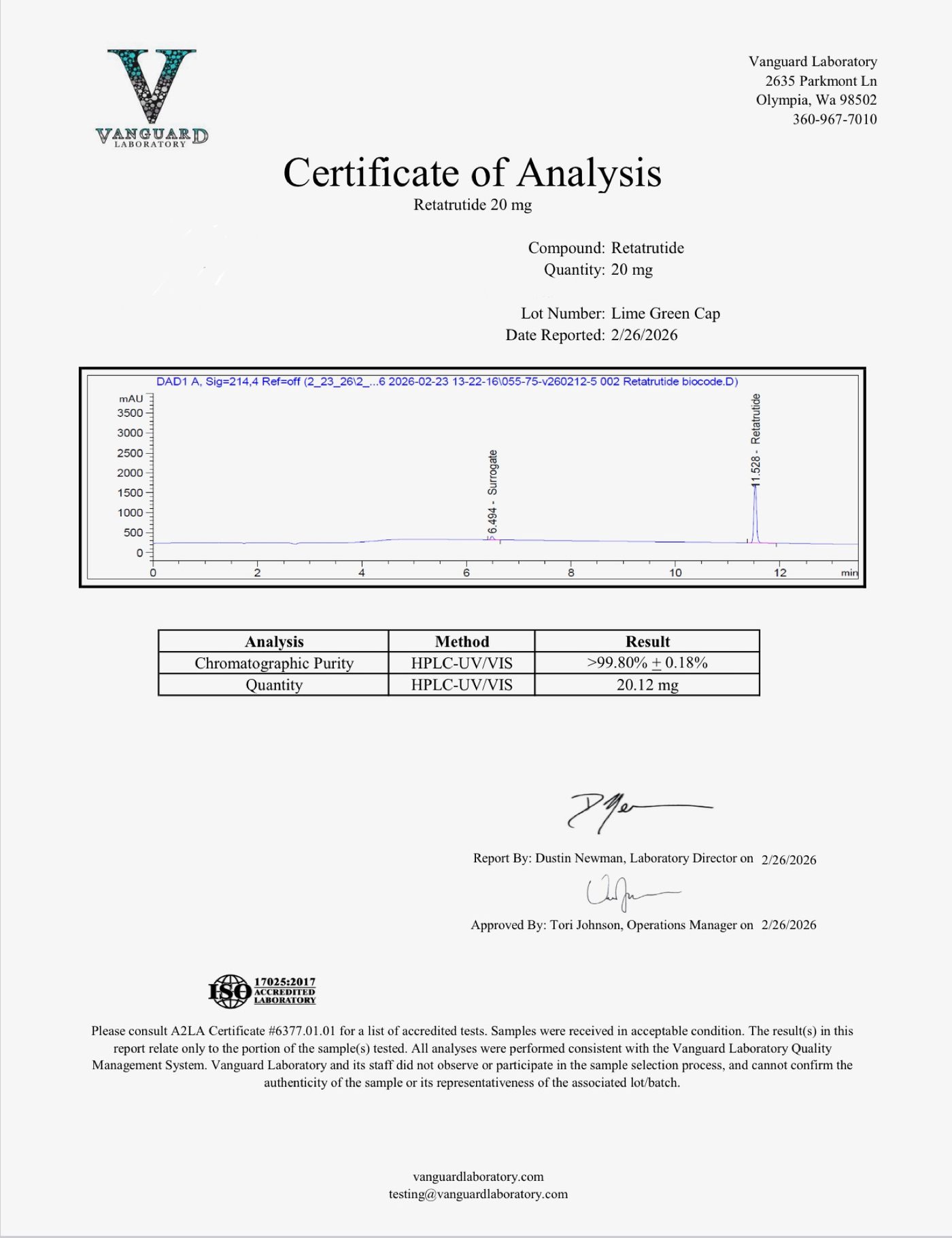
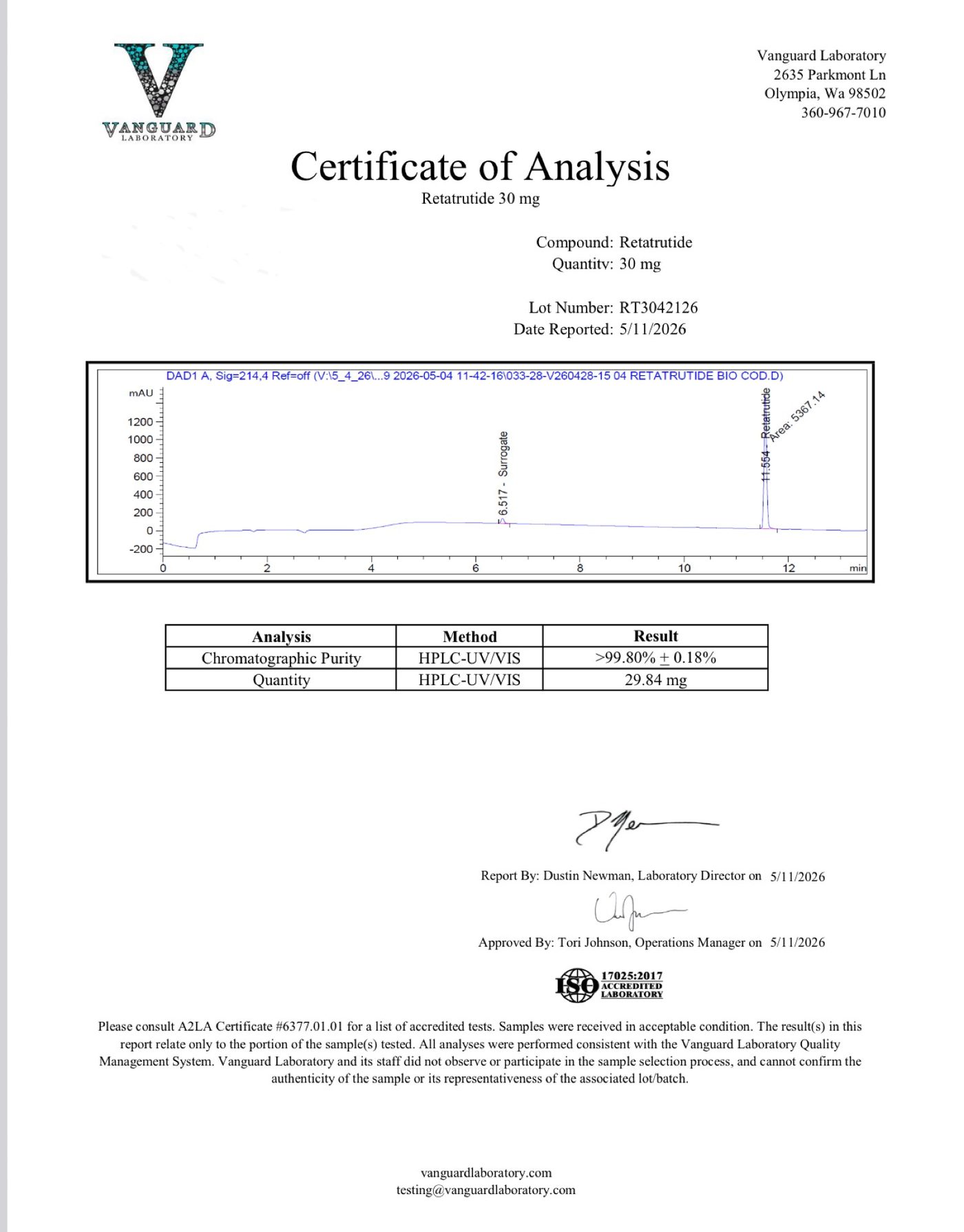
Vitality Chems supplies research peptides for laboratory research use only, not for human or animal consumption. Reports are issued by Vanguard Laboratory (Olympia, WA), an independent US testing lab, and purity is reported per lot. Orders ship from US fulfillment with tracking.
40 live listings from $16.99 – $179.99 · 10% off with code PEPGRADING
Discounted only
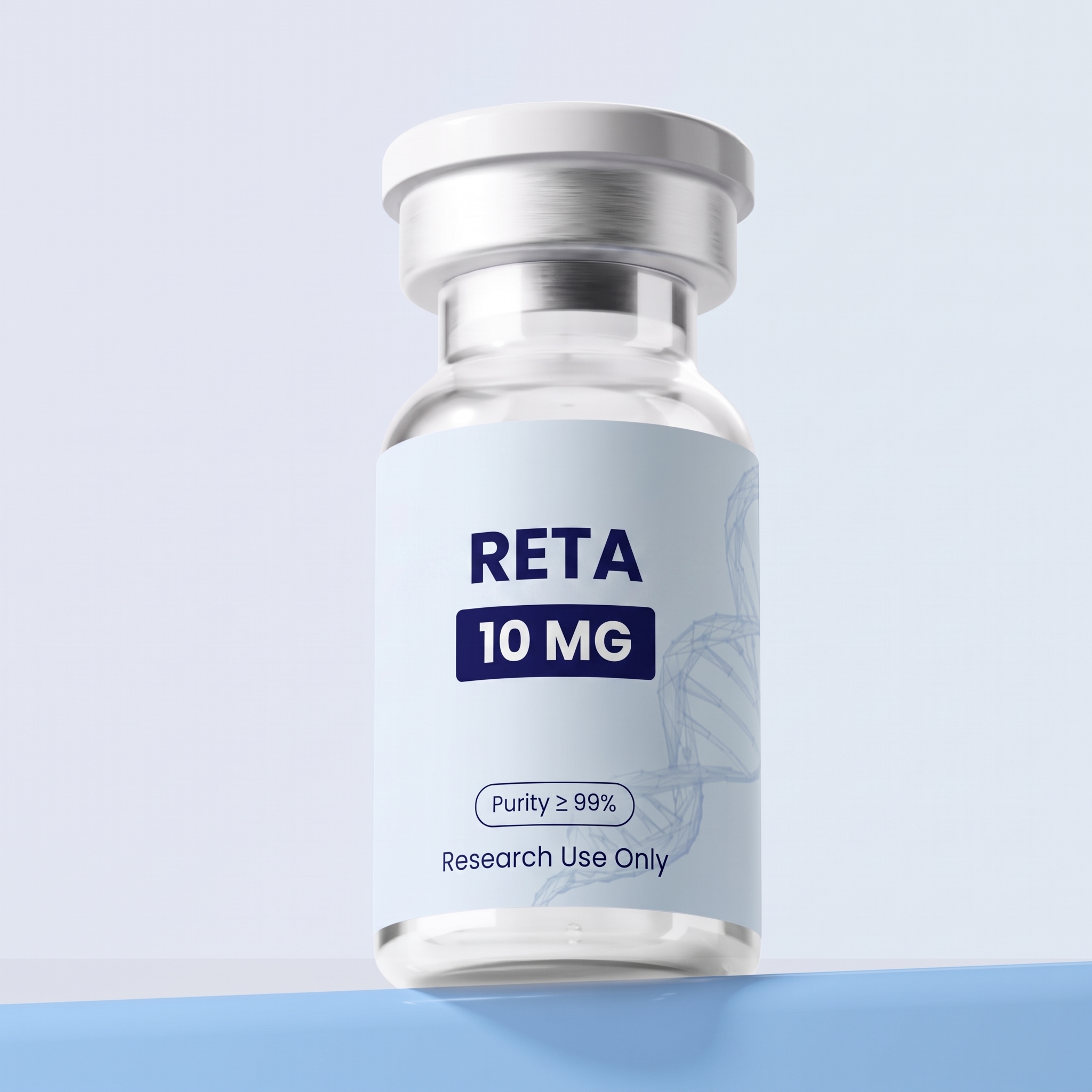
Retatrutide
Retatrutide is an experimental once-weekly injection from Eli Lilly (internal code LY3437943). It's a single molecule that activates three receptors: GIP, GLP-1, and glucagon. Tirzepatide covers the first two, and retatrutide adds the third. It isn't approved anywhere, for anything. Lilly has said it plans to file with the FDA in the first quarter of 2027. On Peptide Grading , we list the research-labeled vials with sizes, price per mg, and COAs side by side. Being listed there isn't an endorsement, and those vials aren't Lilly's product.
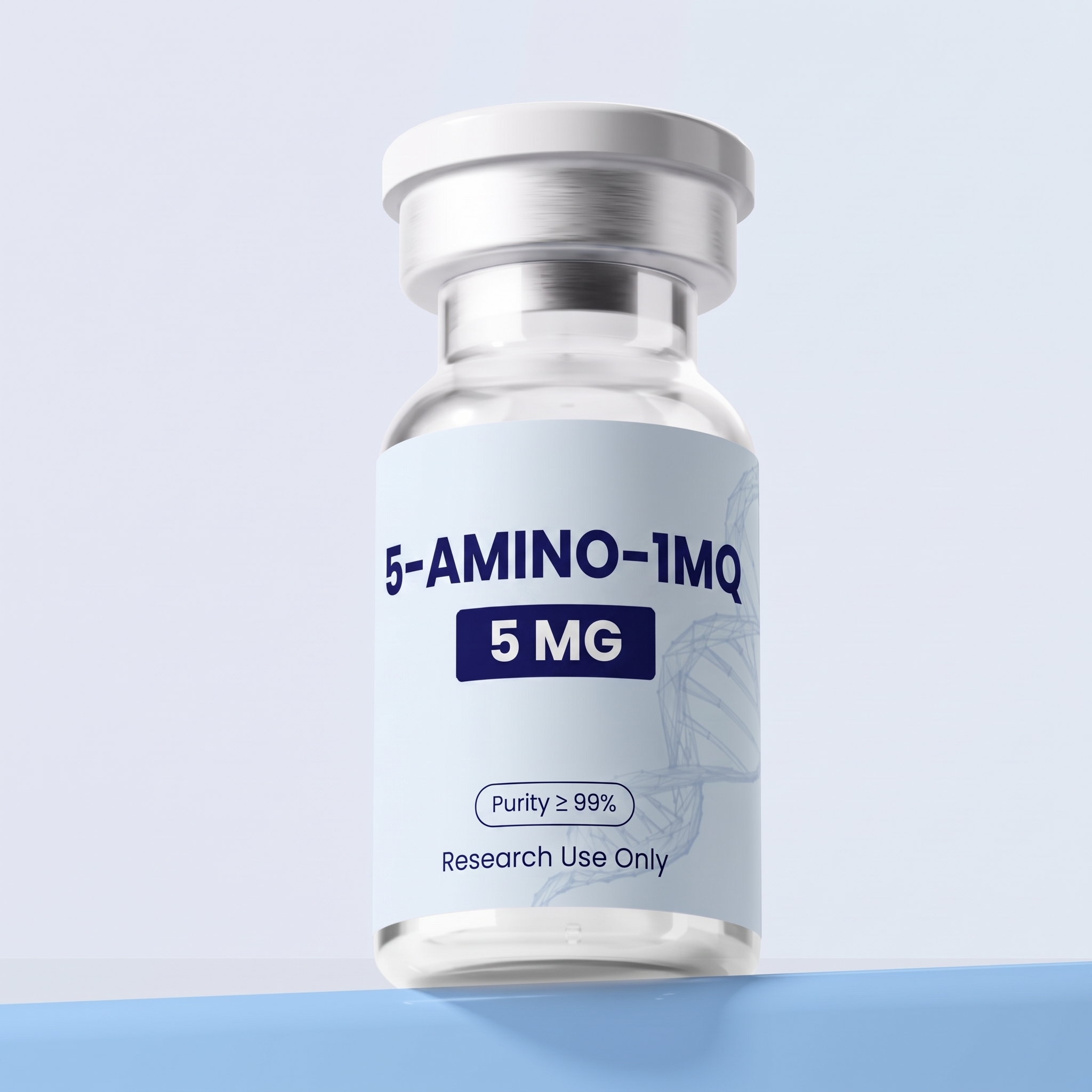
5-Amino-1MQ is a small-molecule inhibitor of nicotinamide N-methyltransferase (NNMT) . Unlike peptide compounds, it is a quinolinium-based molecule studied mainly in cell and animal models to understand NNMT activity, methylation metabolism, and related NAD+ pathways. Current evidence remains preclinical , with no established human clinical profile.
AOD-9604 is a modified fragment of human growth hormone (amino acids 176-191 with an added tyrosine). It was developed to study growth hormone's effect on fat breakdown without its effects on growth or blood sugar, and reached human weight-loss trials before development stopped.
ARA-290 (cibinetide) is an 11-amino-acid peptide designed from part of erythropoietin (EPO). It targets the innate repair receptor to study tissue-protective and anti-inflammatory effects, without EPO's effect of raising red blood cell counts.
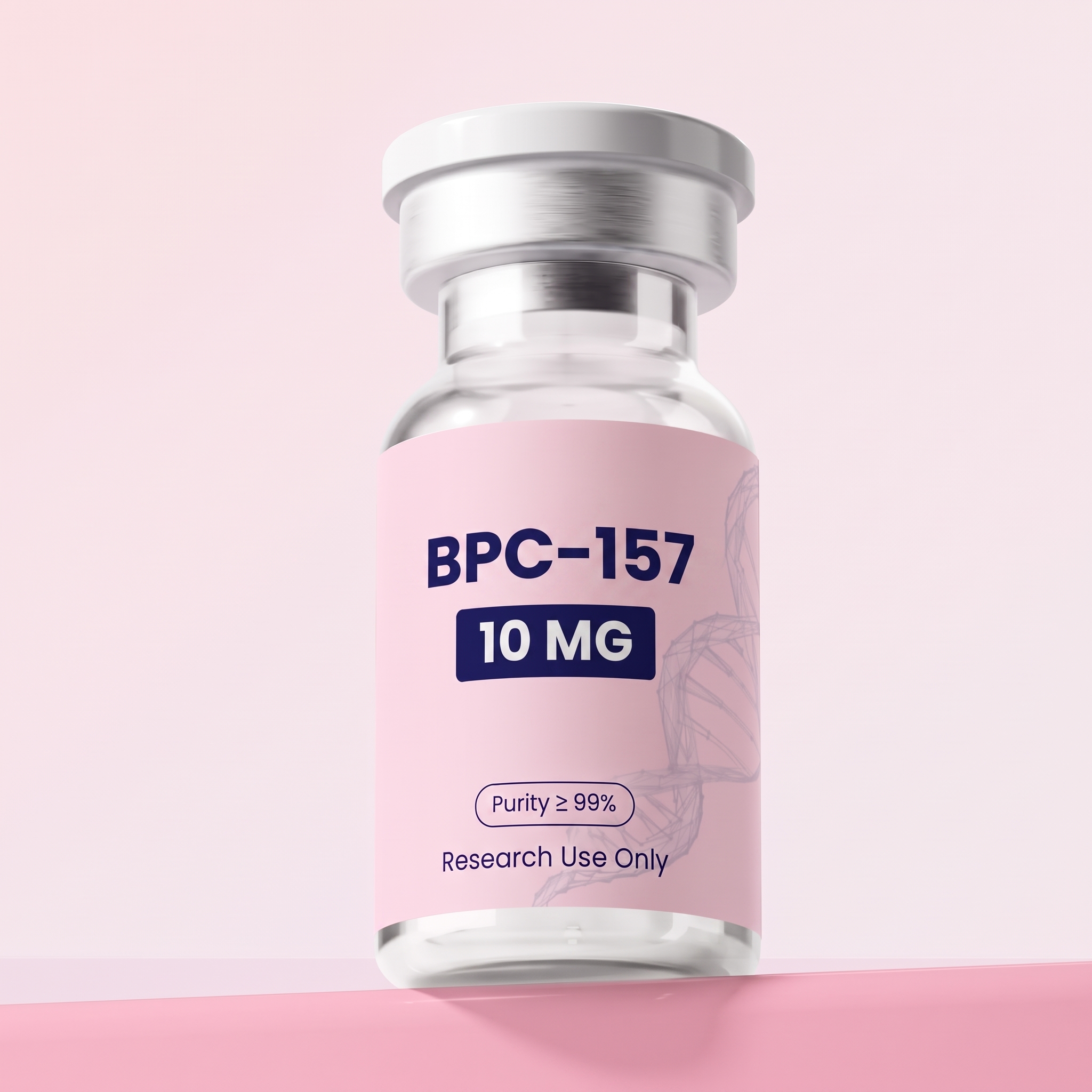
BPC-157 is a 15-amino-acid peptide first described from gastric juice. Most of the published work is preclinical, with studies covering tendon, muscle, gastrointestinal, vascular, and other injury models. Researchers have looked at several signaling pathways, including VEGFR2, nitric oxide, Akt-eNOS, and ERK1/2 . Other work has focused on angiogenesis, fibroblast activity, endothelial responses, and inflammation. Human data are still sparse. Small studies have looked at knee pain, interstitial cystitis, and intravenous safety and pharmacokinetics , but the number of human studies remains small and larger controlled trials are not available.
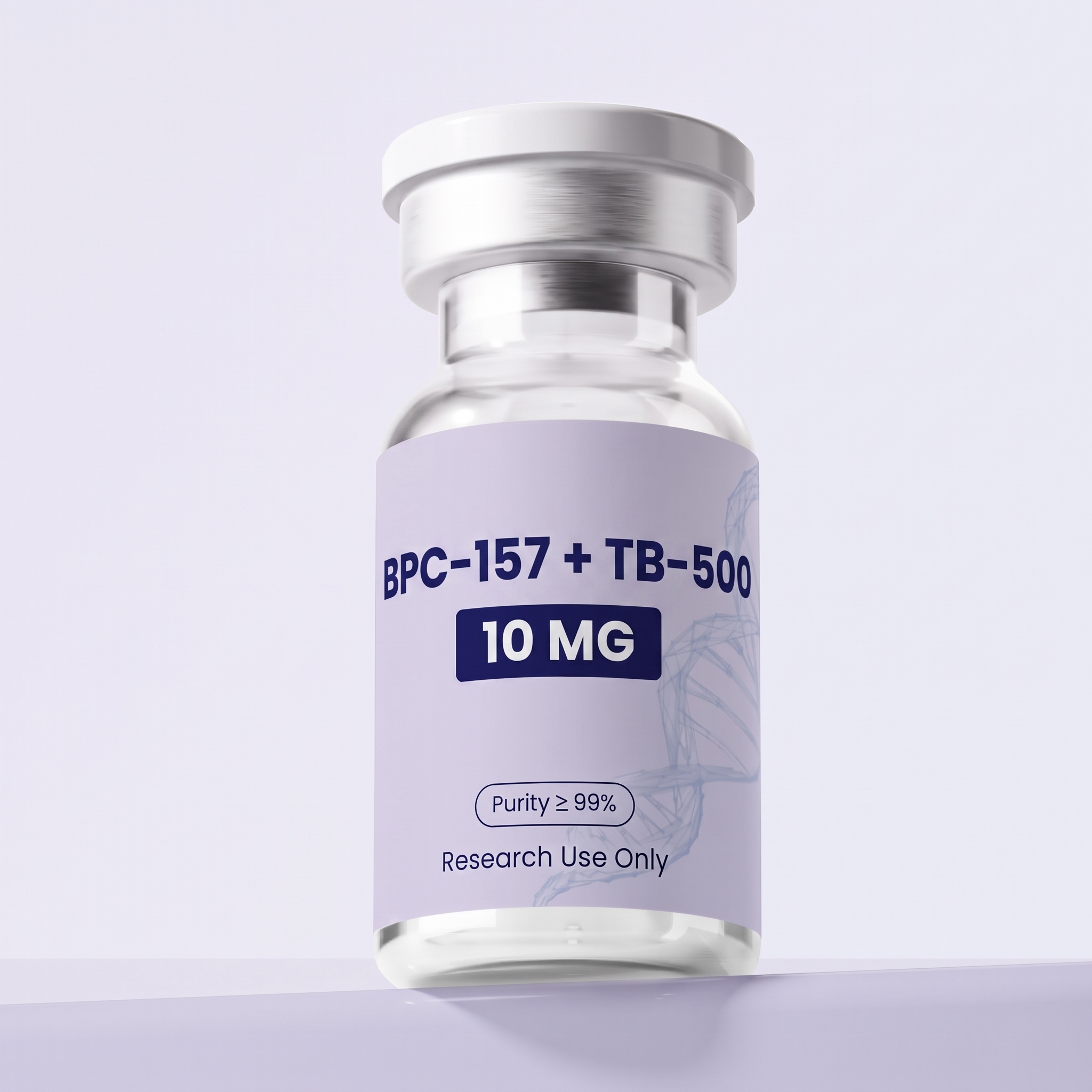
A BPC-157 and TB-500 blend, often called the "Wolverine Stack" is an informal combination of two synthetic peptides studied for tissue repair, cellular movement, and recovery
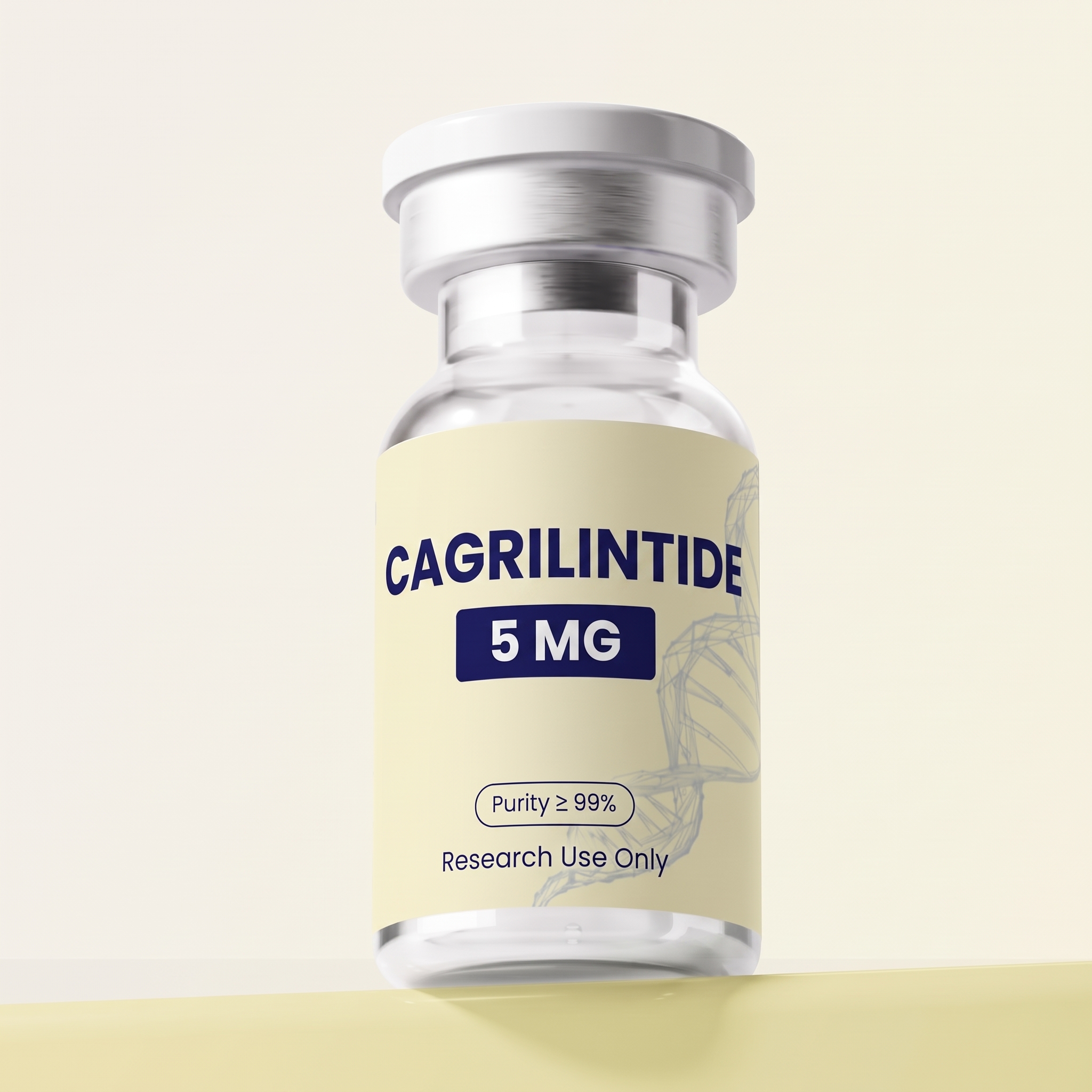
Cagrilintide is based on amylin , a hormone that helps regulate appetite and blood sugar after eating. Its structure was modified from natural amylin to make the peptide last longer. Unlike semaglutide, which mainly targets the GLP-1 receptor , cagrilintide acts through amylin and calcitonin-family receptors . Cagrilintide has also been studied on its own and together with semaglutide. Peptide Grading lists cagrilintide research materials from different suppliers. Listings can include supplier details, reported specifications, COA, quantities, shipping information, and price per mg .
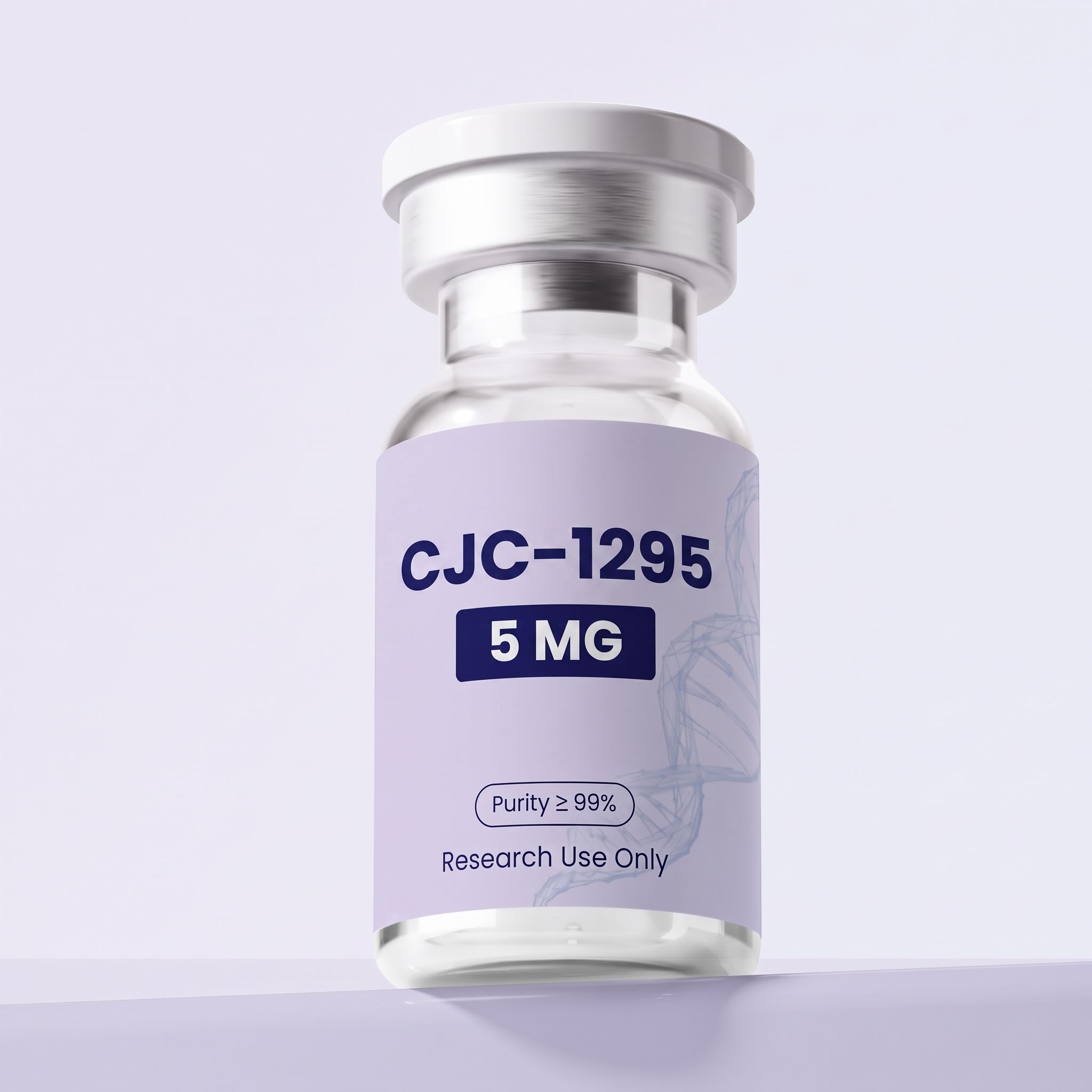
CJC-1295 is a member of the GHRH analogue family of peptides and consists of a sequence derived from hGRF(1-29). The addition of a DAC group allows for prolonged exposure by binding to albumin compared to native GHRH. That longer exposure is what makes CJC-1295 interesting in human pharmacology. Studies have followed changes in GH and IGF-1 , along with the pharmacokinetic behavior of the DAC form. At Peptide Grading , CJC-1295 listings can be compared by material form, supplier, reported specifications, COA documentation, quantity, shipping and price per mg.
 Peptide Grading