U.S.-based supplier of premium research peptides. Buy BPC-157, GHK-Cu, TB-500 & more. Third-party tested, 99%+ purity, fast USA shipping. Trusted by researchers.
Visa, Mastercard, American Express, Discover, Cash App, Venmo, Bitcoin, USDT
Established
2025
1 year trading
Domain age
1 year
Reg. Sep 17, 2025
Origin
United States
1 supply region
COA verification
Third-party accredited lab
Batch-specific HPLC + MS COA
Products
22
$25.00 – $120.00, all priced
Aggregated rating
—
No rating entries yet
Catalog
Products
Live listings from prpeps
Discounted only
Product
Size
Price
COAs
Action
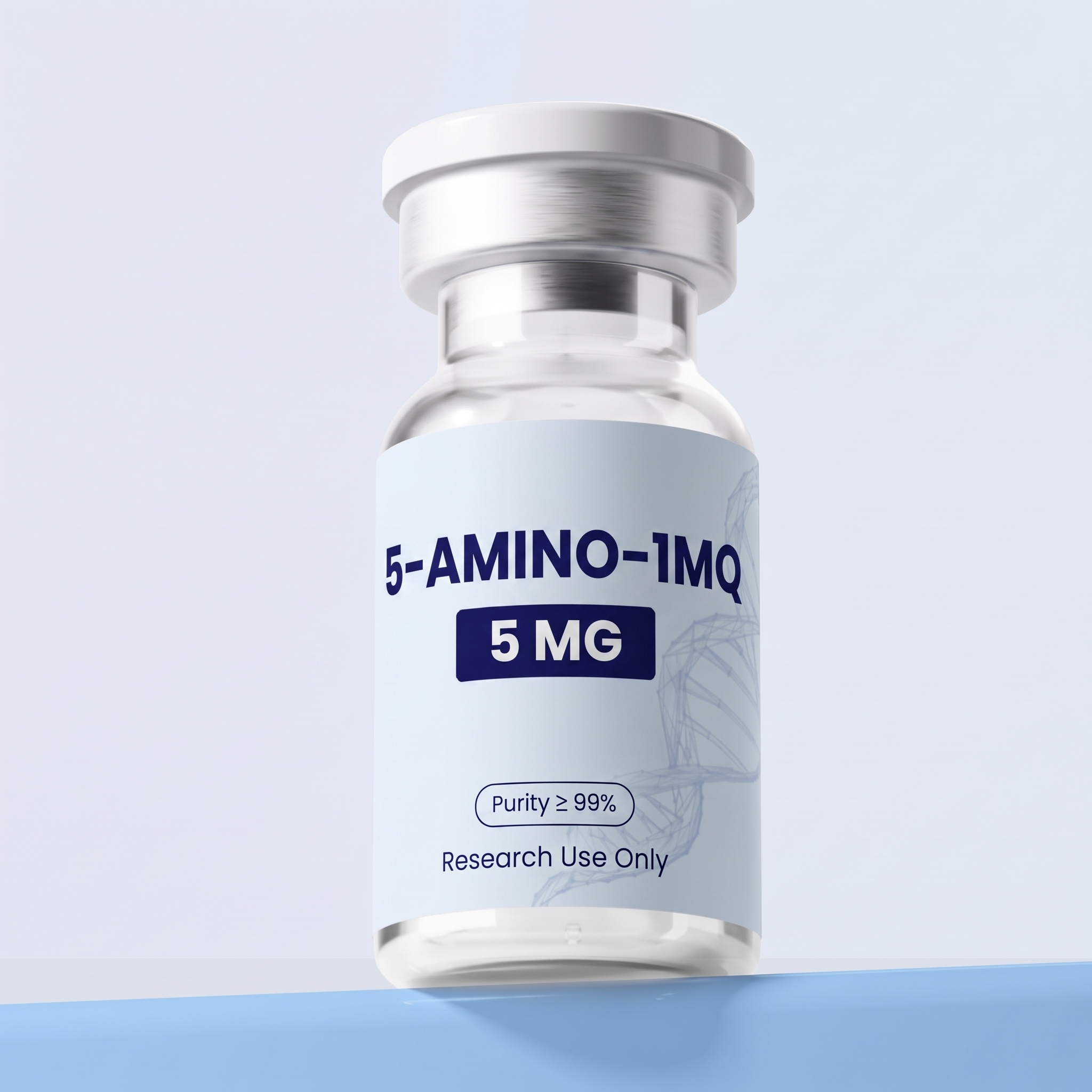
5-Amino-1MQ
5-Amino-1MQ is a small molecule (not technically a peptide) that selectively inhibits nicotinamide N-methyltransferase (NNMT), an enzyme overexpressed in adipose tissue of obese individuals. NNMT degrades the NAD+ precursor SAM, linking it to metabolic dysfunction. By blocking NNMT, 5-Amino-1MQ increases intracellular NAD+ and SAM levels, theoretically boosting fat cell energy expenditure and shrinking adipocytes. All data is preclinical.
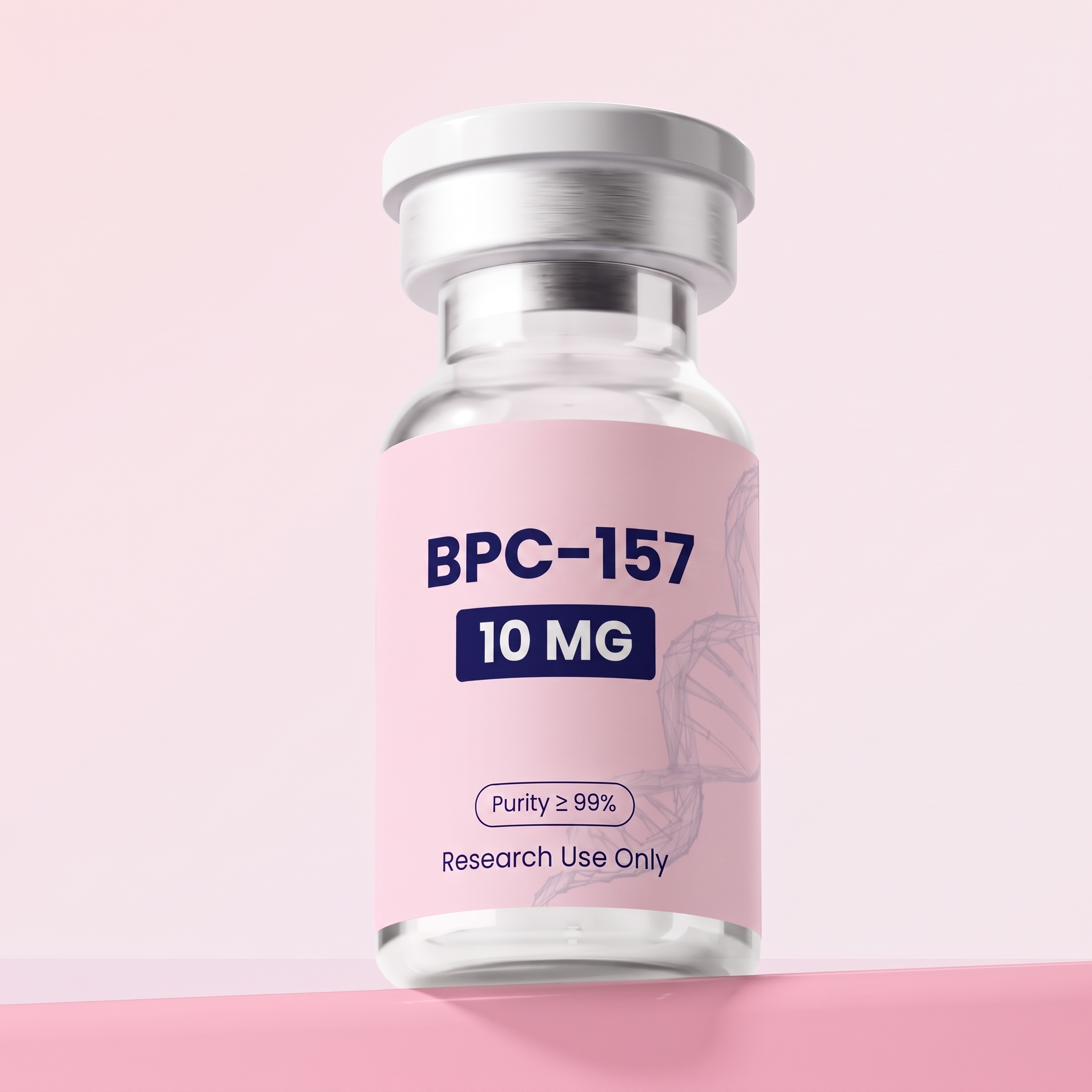
BPC-157 is a synthetic 15-amino-acid peptide (sequence: Gly-Glu-Pro-Pro-Pro-Gly-Lys-Pro-Ala-Asp-Asp-Ala-Gly-Leu-Val, MW ~1419.5 g/mol) derived from a protein found in human gastric juice. It has demonstrated robust regenerative and cytoprotective effects across hundreds of animal studies spanning tendon, ligament, muscle, bone, nerve, GI tract, and blood vessel healing. However, human clinical data is extremely limited — only three pilot studies have examined BPC-157 in humans as of 2025 (knee pain n=16, interstitial cystitis n=12, IV safety n=2). The FDA classifies it as Category 2, prohibiting compounding, and WADA bans its use in sports.
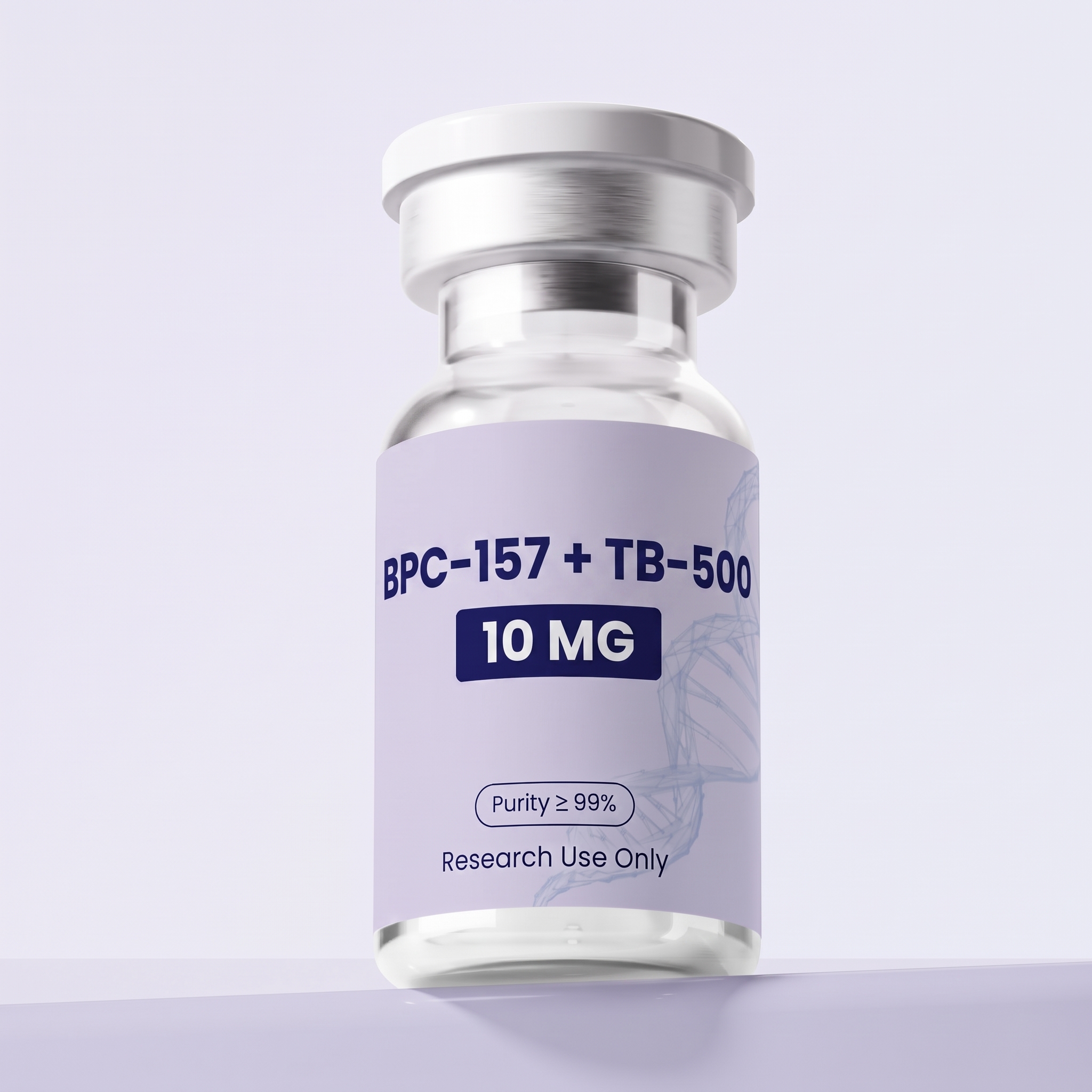
A BPC-157 and TB-500 blend, often called the "Wolverine Stack" is an informal combination of two synthetic peptides studied for tissue repair, cellular movement, and recovery
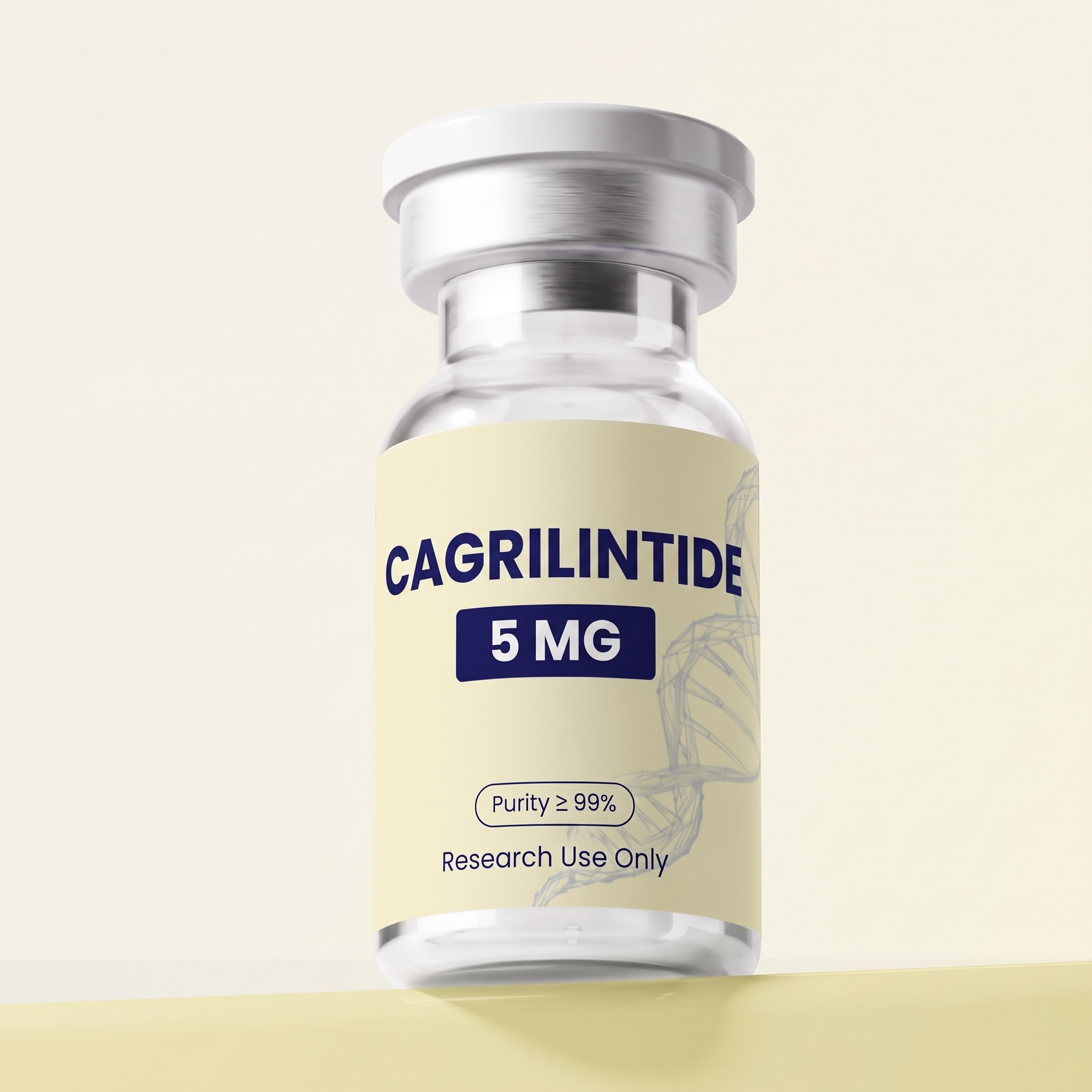
Cagrilintide is a long-acting synthetic analog of human amylin, a peptide hormone co-secreted with insulin by pancreatic beta cells. It is being developed by Novo Nordisk both as a standalone agent and in fixed-dose combination with semaglutide (CagriSema). The CagriSema combination targets complementary appetite pathways — amylin acts on hindbrain satiety circuits while GLP-1 acts on hypothalamic and gut pathways. In the REDEFINE Phase 3 program, CagriSema achieved 20.4% weight loss at 68 weeks. Novo Nordisk filed for FDA approval in 2026.
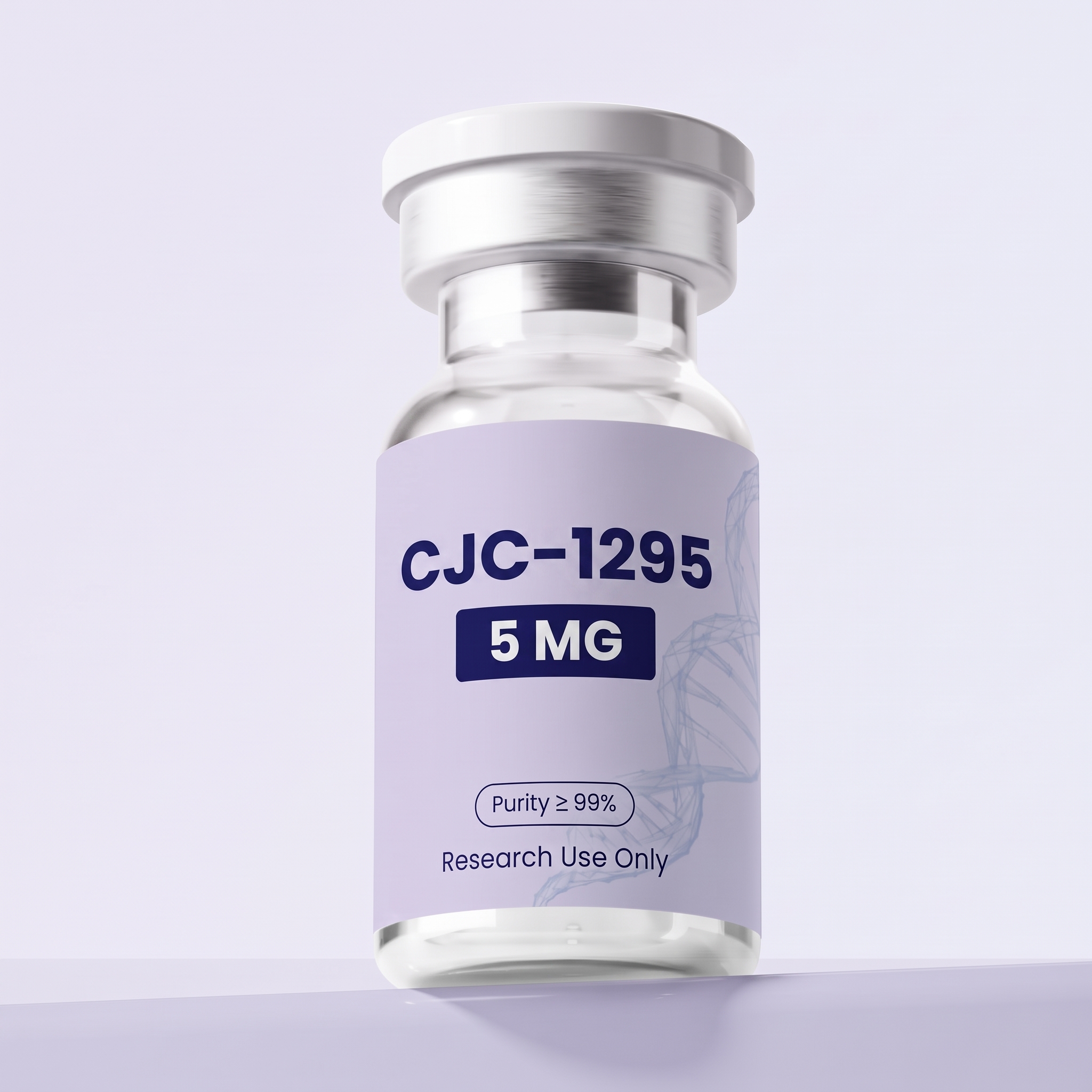
CJC-1295 is a synthetic analogue of growth hormone-releasing hormone (GHRH) originally developed by ConjuChem Technologies for HIV-associated lipodystrophy. It exists in two forms: with DAC (Drug Affinity Complex) for extended half-life of 5.8-8.1 days, and without DAC (Mod GRF 1-29) for shorter, pulsatile release with a half-life of approximately 30 minutes. Two 2006 randomized, placebo-controlled, double-blind clinical trials (Teichman et al.) demonstrated dose-dependent GH increases of 2-10 fold and IGF-1 increases of 1.5-3 fold in healthy adults aged 21-61. The No DAC version is generally considered the safer choice due to its physiological pulsatile pattern.
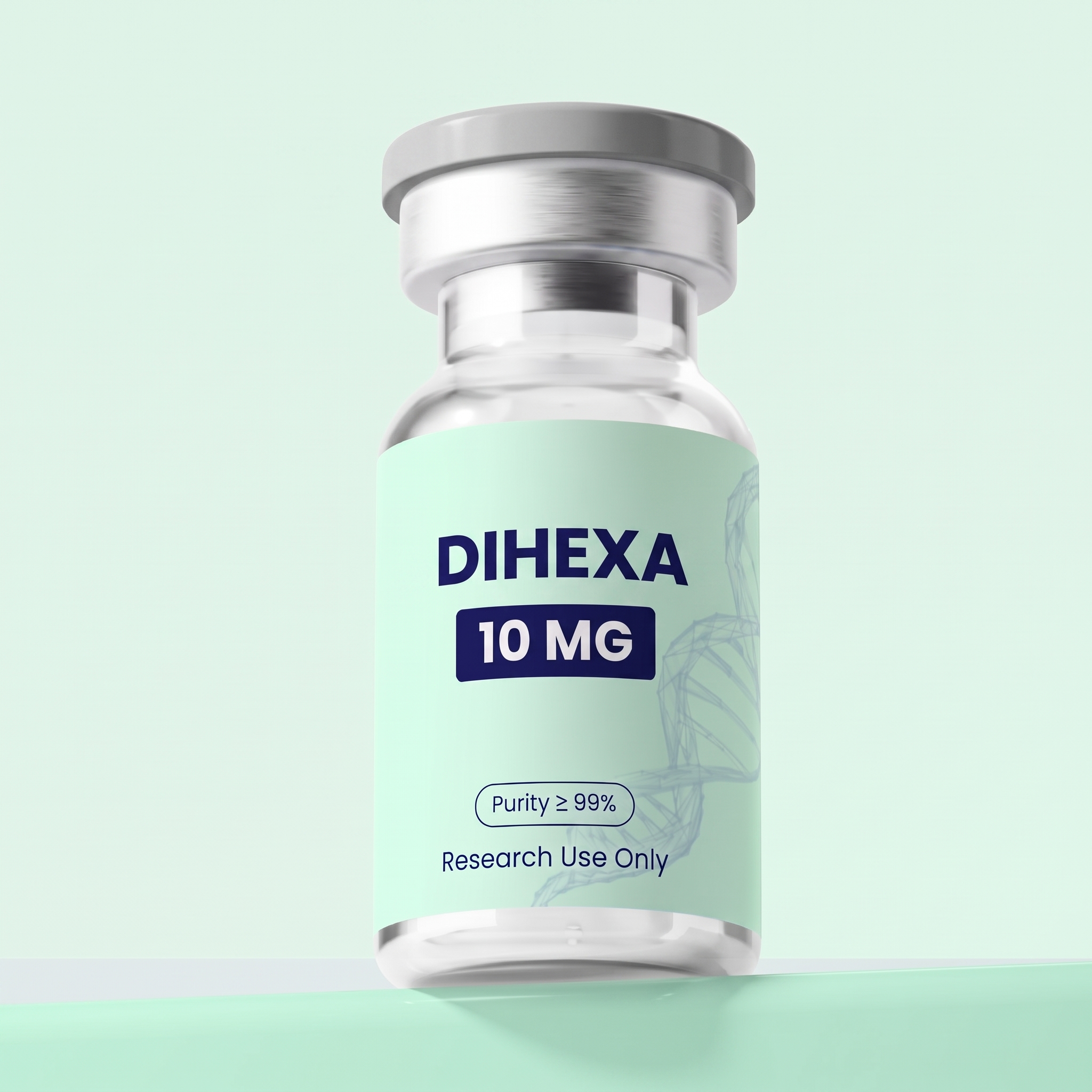
Dihexa (PNB-0408) is a synthetic small molecule derived from angiotensin IV, developed at Washington State University by the Harding lab. It is a hepatocyte growth factor (HGF) mimetic that activates HGF/c-Met signaling in the brain, promoting synaptogenesis, neuroplasticity, and neuronal survival. Unlike large HGF proteins, Dihexa has good oral bioavailability and crosses the blood-brain barrier. In APP/PS1 Alzheimer's model mice, Dihexa activated the PI3K/AKT pathway, reduced neuroinflammation, and rescued cognitive impairment. It has also shown promise for peripheral nerve regeneration and protection against chemical ototoxicity. No human clinical trials exist.
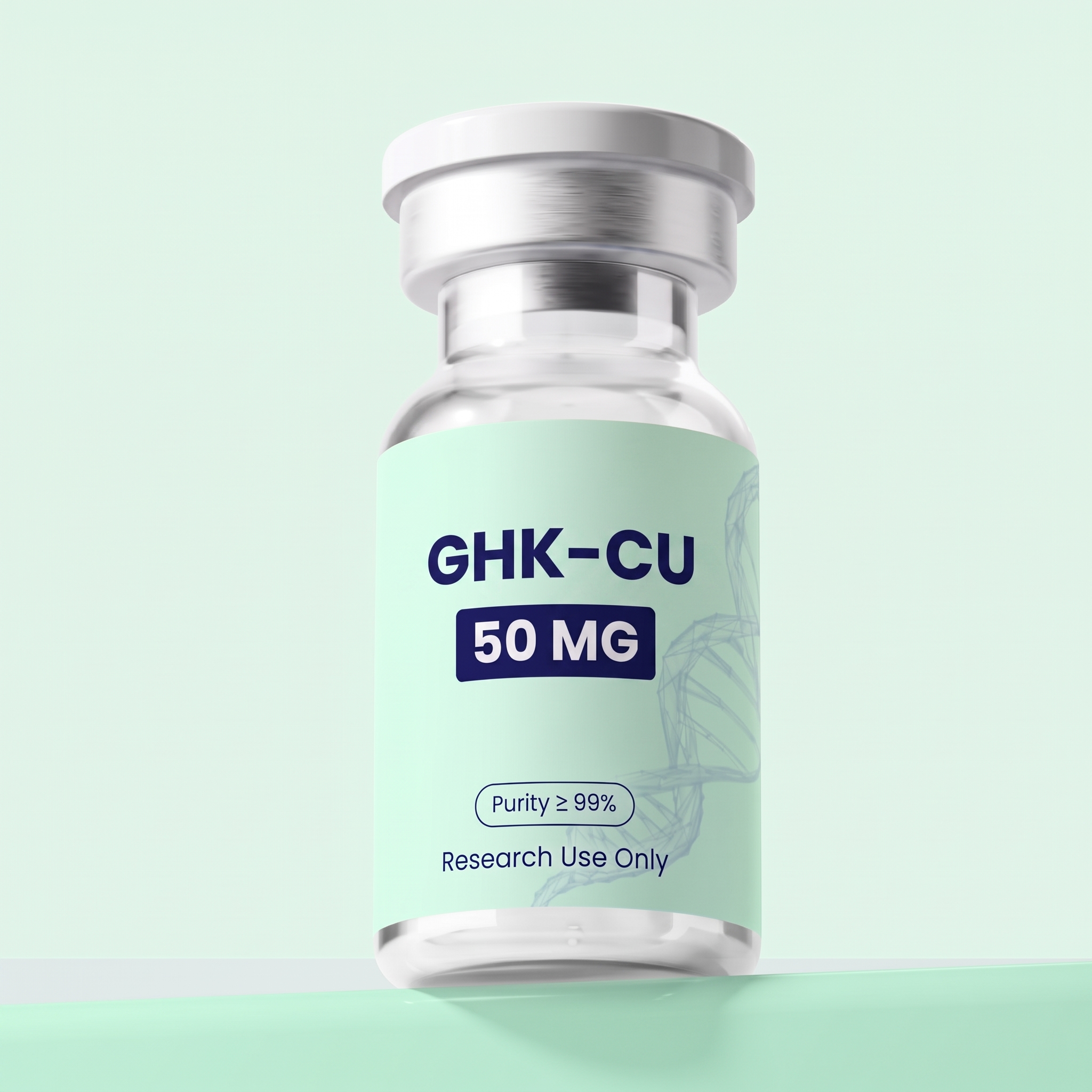
GHK-Cu is a naturally occurring copper-binding tripeptide (glycyl-L-histidyl-L-lysine) found in human plasma, saliva, and urine. First discovered by Dr. Loren Pickart in 1973, plasma levels average 200 ng/mL at age 20 but decline to ~80 ng/mL by age 60. It has been extensively studied for wound healing, collagen synthesis, skin regeneration, and gene modulation, with decades of cosmetic use and a broad safety profile. Molecular weight is approximately 340 g/mol (as the copper complex), with the formula C14H24N6O4Cu.
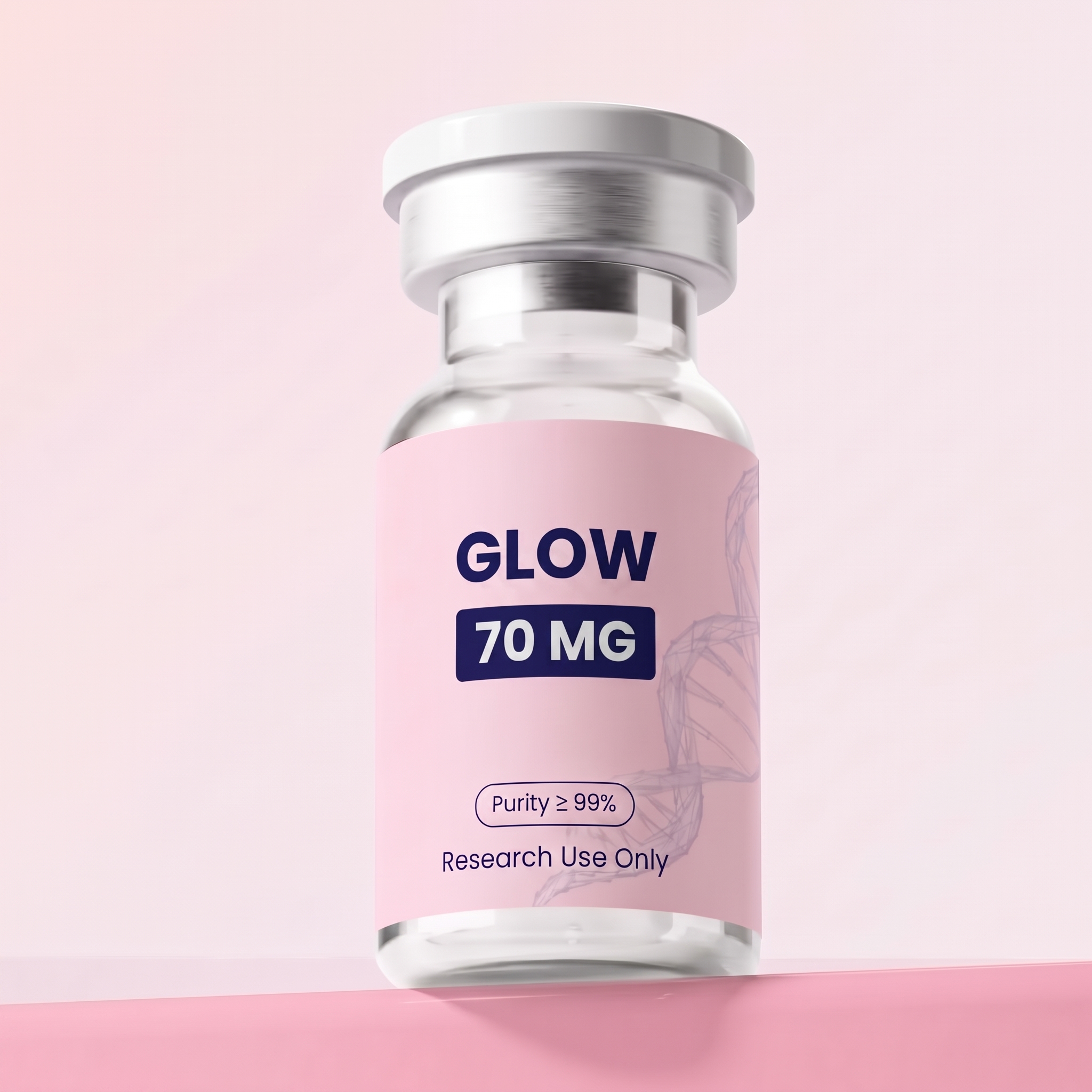
GLOW is a research peptide blend combining GHK-Cu, BPC-157, and TB-500. The individual peptides have been studied in preclinical research related to tissue repair, wound healing, cellular signaling, and recovery pathways. The complete blend has not been clinically validated.
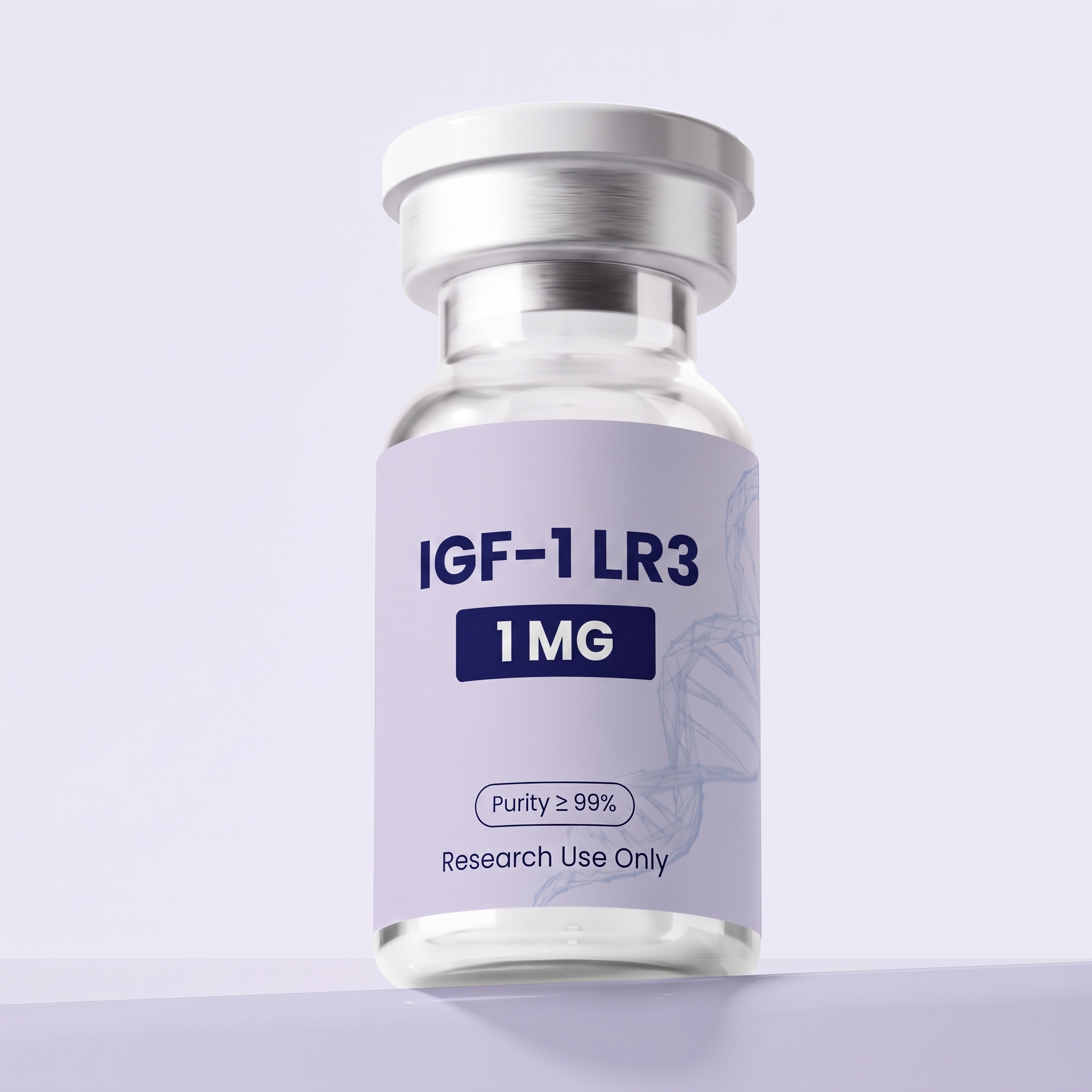
IGF-1 LR3 is a modified version of insulin-like growth factor 1 (IGF-1) with an extended N-terminal sequence (13 additional amino acids) and an arginine-to-glutamic acid substitution at position 3. These modifications dramatically reduce binding to IGF-binding proteins (IGFBPs), resulting in a half-life of 20-30 hours (vs 12-15 hours for native IGF-1) and approximately 3x greater potency. It is one of the most potent anabolic peptides available and is WADA-banned.
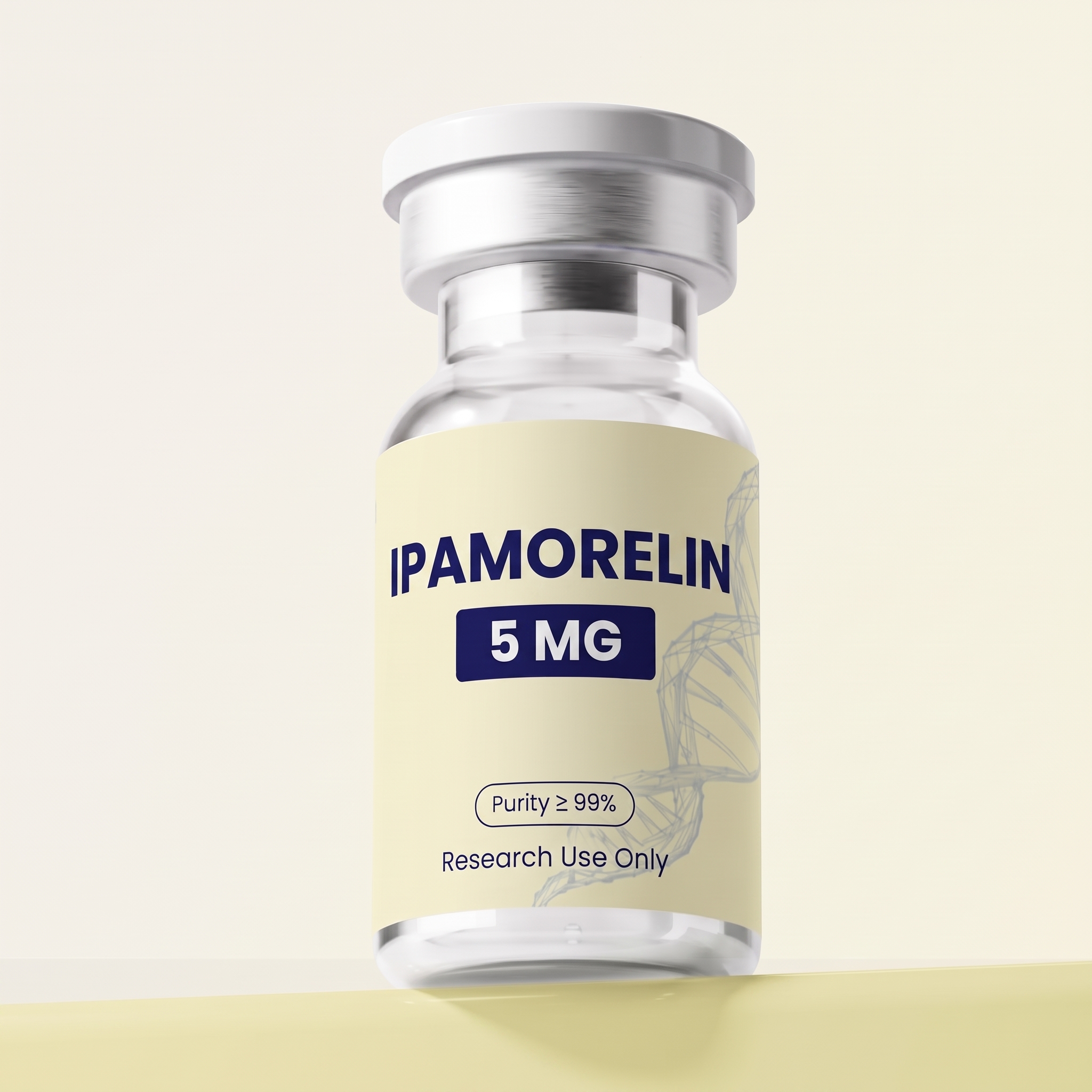
Ipamorelin is the most selective growth hormone secretagogue (GHS) available, a synthetic pentapeptide (MW ~711.86 g/mol, formula C38H49N9O5) that stimulates pulsatile GH release from the pituitary gland without significantly affecting cortisol, prolactin, or appetite. It is widely regarded as the mildest GHS, making it popular in anti-aging, body composition, and recovery contexts. However, research on ipamorelin is limited, and it is not FDA-approved for any indication.
 Pep Grading