 Pep Grading
 United States
 Romania
Intra-Articular Injection of BPC 157 for Multiple Types of Knee Pain.
87.5% of knee pain patients showed significant improvement with BPC 157 injection.
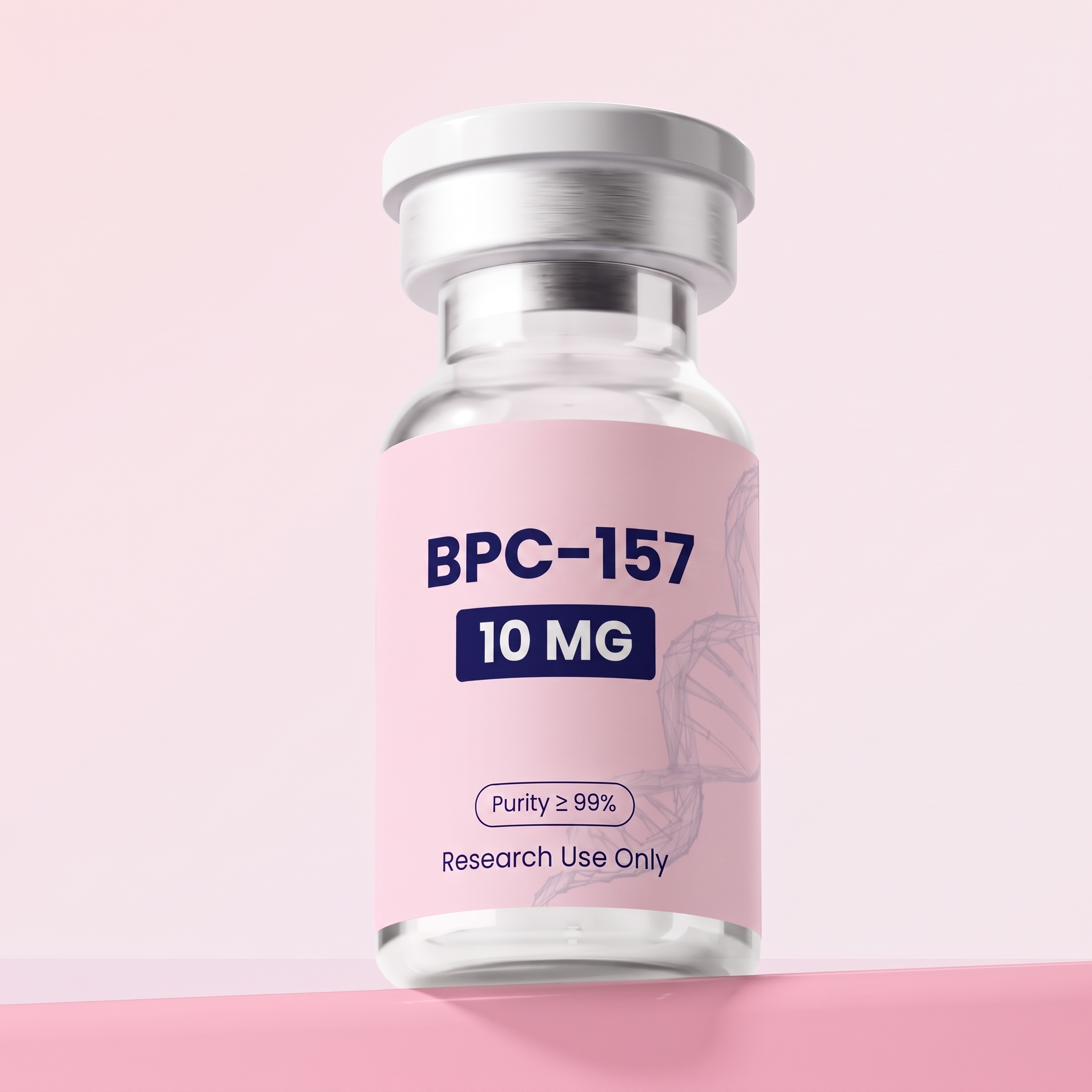
BPC-157 is a synthetic 15-amino-acid peptide (sequence: Gly-Glu-Pro-Pro-Pro-Gly-Lys-Pro-Ala-Asp-Asp-Ala-Gly-Leu-Val, MW ~1419.5 g/mol) derived from a protein found in human gastric juice. It has demonstrated robust regenerative and cytoprotective effects across hundreds of animal studies spanning tendon, ligament, muscle, bone, nerve, GI tract, and blood vessel healing. However, human clinical data is extremely limited — only three pilot studies have examined BPC-157 in humans as of 2025 (knee pain n=16, interstitial cystitis n=12, IV safety n=2). The FDA classifies it as Category 2, prohibiting compounding, and WADA bans its use in sports.
Typical dose
250-500mcg
Once or twice daily
Route
Subcutaneous
Can be administered once or twice daily. For localized injury, inject near the site. For systemic effects, subcutaneous abdomen injection is common.
Cycle
4–8 weeks
Typical duration
Storage
2-6°C
Follow vendor guidance
Marketplace
19 offers for BPC-157
| Vendor | Price | Rating | Shipping | COA | Action |
|---|---|---|---|---|---|
Reta One Labs
| $12.41 $22.00 $1.24/mg −43.6% | No reviews | 2 days United States | None | |
Certa Peptides
| $19.99 $9.99/mg | No reviews | 1–4 days Switzerland, United Kingdom +29 | 1 file | |
Bionova Peptides
| $20.00 $39.99 $2.00/mg −50% | No reviews | 1–3 days United States | 1 file | |
Amino Club
| $25.99 $39.99 $2.60/mg −35% | No reviews | 1–4 days United States | 1 file | |
Biologix Labs
| $27.99 $5.60/mg | No reviews | 2 Days United States, Canada | None | |
idunpeptides
| $27.99 $2.80/mg | No reviews | 3–7 days United States, United Kingdom +1 | 1 file | |
HLX LABS
| $29.99 $39.99 $6.00/mg −25% | No reviews | 2–5 days United States | 1 file | |
Trulab Peptides
| $35.00 $7.00/mg | No reviews | 2–5 days Worldwide | 1 file |
What the research reports
Outcomes described across the published literature and ongoing study, not promised results. Read each as research context, not a personal guarantee.
Tissue healing
Gut health support
Tendon and ligament repair
Muscle recovery
Anti-inflammatory effects
Dosage and protocol
BPC-157 is typically dosed between 200-500mcg per day, administered via subcutaneous or intramuscular injection. Research protocols often run 4-12 weeks depending on the application. Half-life: 4-6 hours. Commonly stacked with TB-500 for enhanced tissue repair.
01 Route
Subcutaneous, Intramuscular, Oral
02 Example range
250-500mcg
03 Frequency
Once or twice daily
04 Timing
Can be administered once or twice daily. For localized injury, inject near the site. For systemic effects, subcutaneous abdomen injection is common.
Educational reference only. Use clinician guidance for dosing decisions.
Evidence
87.5% of knee pain patients showed significant improvement with BPC 157 injection.
Intravesical BPC-157 injection (10 mg) resolved symptoms in 10/12 interstitial cystitis patients with no adverse events.
IV BPC-157 infusion up to 20 mg was well-tolerated with no adverse effects in 2 healthy adults.
BPC 157 attenuates duodenal lesions from major venous occlusion by promoting collateral vessel formation and reducing oxidative stress.
Interactions
B-500
Synergistic for tissue repair. BPC-157 promotes angiogenesis while TB-500 modulates actin. Combined healing effect often exceeds either alone.
GHK-CU
Synergistic for tissue remodeling. Both promote wound healing through different mechanisms.
SEMAGLUTIDE
No known negative interaction. BPC-157 may support GI health during GLP-1 therapy. Different mechanisms of action.
PT-141
No known interaction. Different target systems (sexual function vs tissue repair).
IPAMORELIN
No known negative interaction. Commonly used together in clinical settings. Different primary targets.
FAQ
BPC-157 (Body Protection Compound-157) is one of the most popular and extensively researched peptides for tissue repair and healing. Derived from a protective protein found in gastric juice, it has shown promising results in various healing applications.