AOD-9604 is a modified fragment of human growth hormone (amino acids 176-191 with an added tyrosine). It was developed to study growth hormone's effect on fat breakdown without its effects on growth or blood sugar, and reached human weight-loss trials before development stopped.
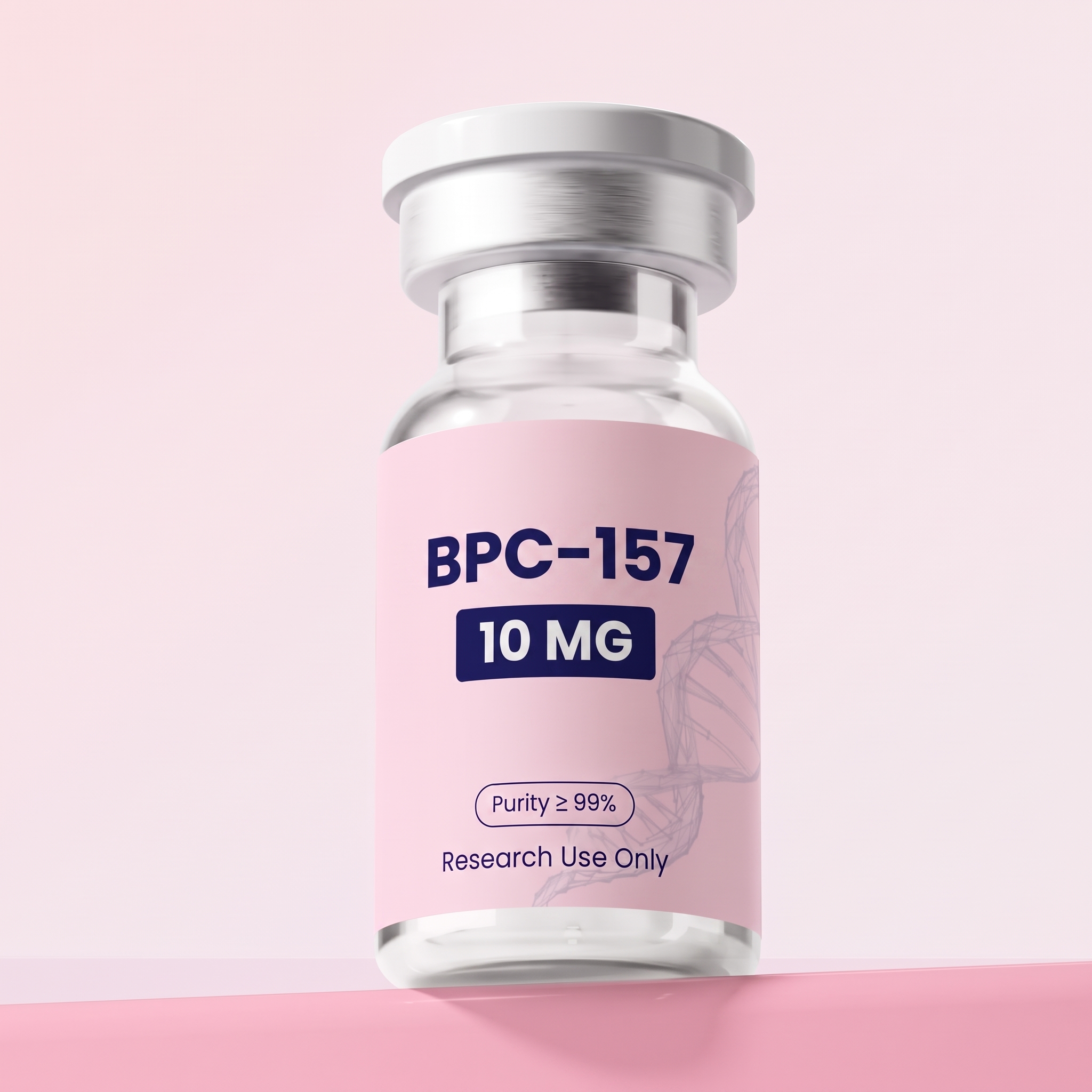
BPC-157 is a 15-amino-acid peptide first described from gastric juice. Most of the published work is preclinical, with studies covering tendon, muscle, gastrointestinal, vascular, and other injury models. Researchers have looked at several signaling pathways, including VEGFR2, nitric oxide, Akt-eNOS, and ERK1/2 . Other work has focused on angiogenesis, fibroblast activity, endothelial responses, and inflammation. Human data are still sparse. Small studies have looked at knee pain, interstitial cystitis, and intravenous safety and pharmacokinetics , but the number of human studies remains small and larger controlled trials are not available.
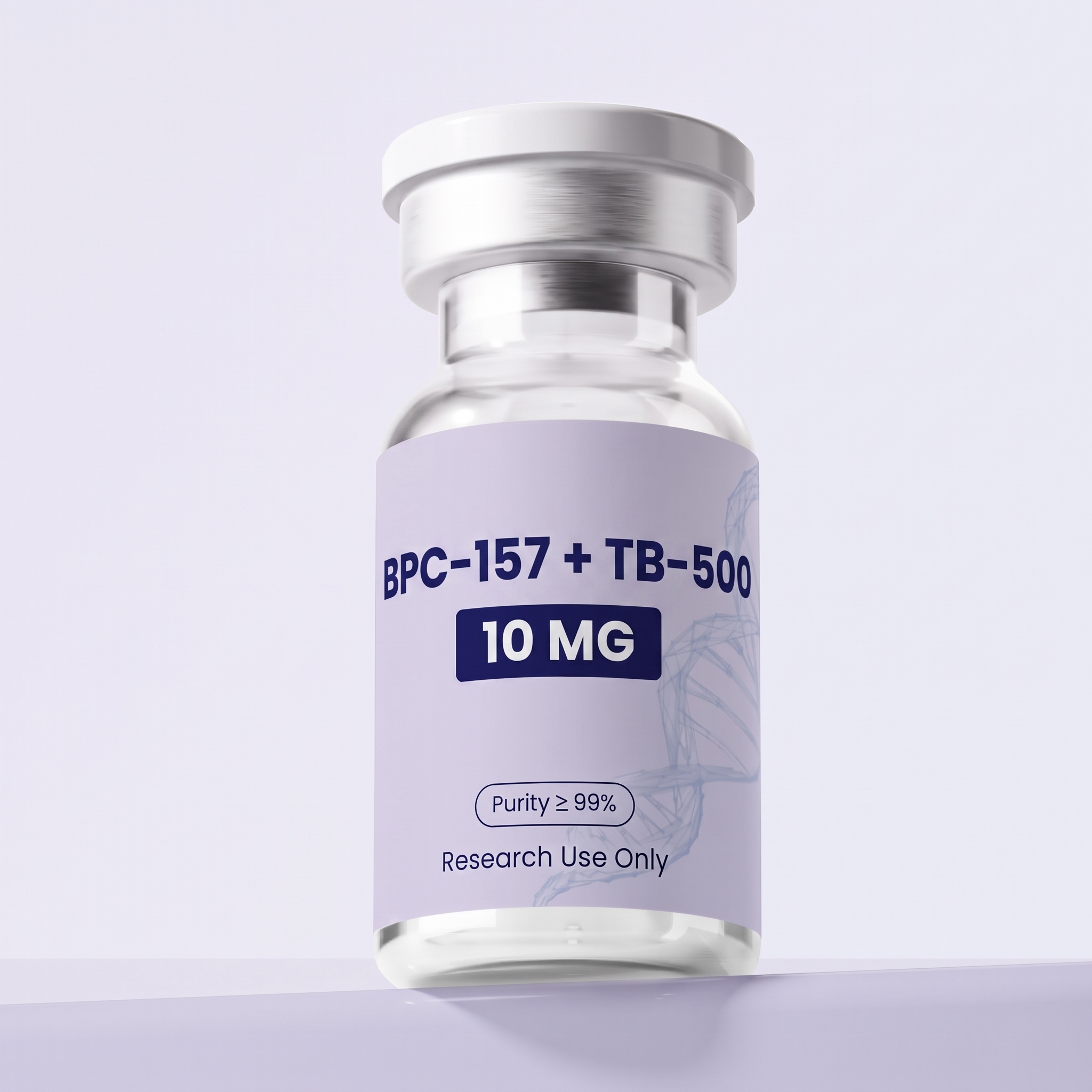
A BPC-157 and TB-500 blend, often called the "Wolverine Stack" is an informal combination of two synthetic peptides studied for tissue repair, cellular movement, and recovery
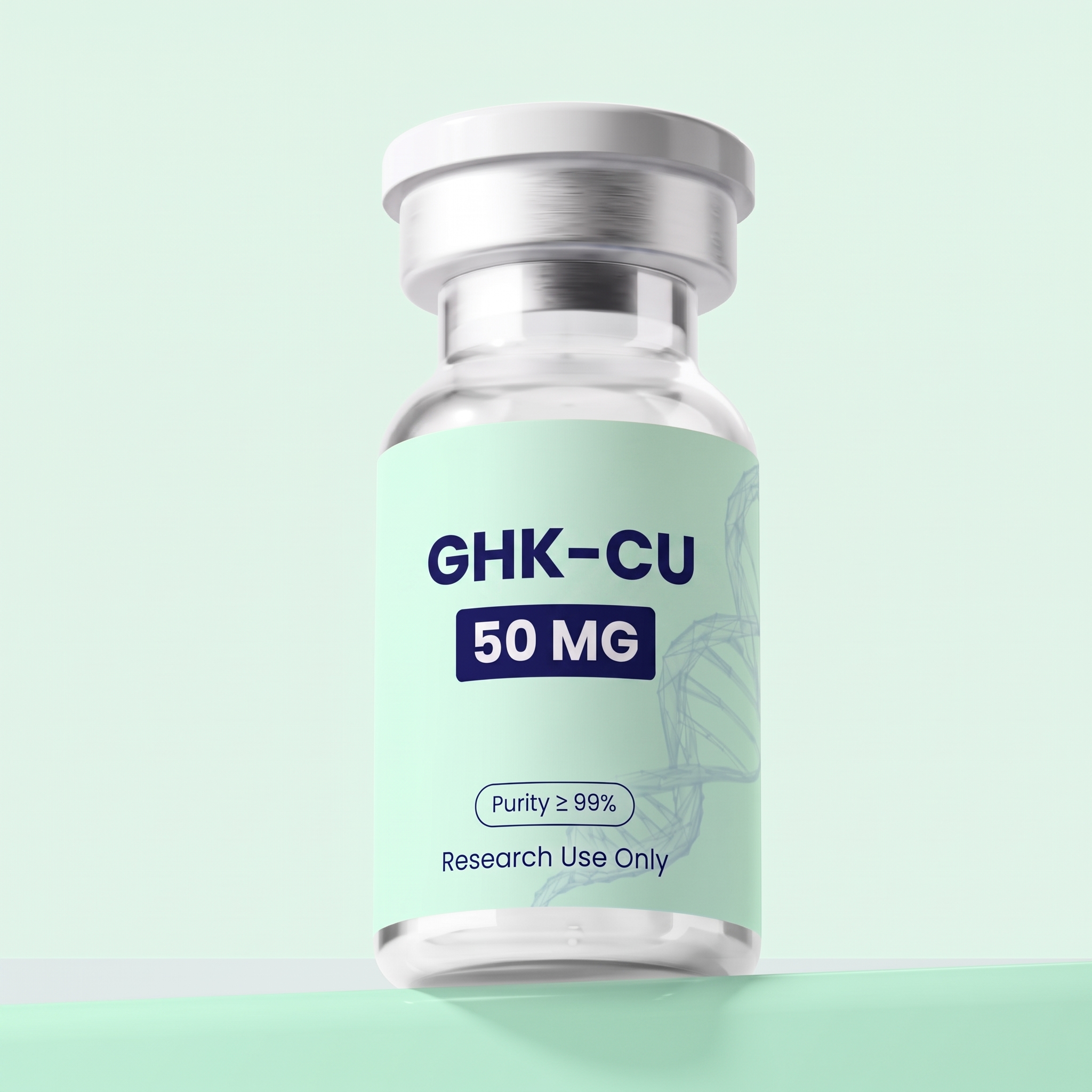
If you've ever seen a blue-tinted skincare serum, you've already met GHK-Cu. It's a copper-carrying tripeptide that was first pulled out of human blood plasma back in 1973, and it's been sitting in cosmetics for decades. What's newer is its life as a research peptide: vials of it, and blends like Glow and Klow that put it alongside BPC-157 and TB-500 . I'll say upfront that GHK-Cu is a bit unusual in this catalog. It has a long research history, and the skin-care version is a mainstream cosmetic ingredient. But no GHK-Cu drug is approved by the FDA, and the injectable side is much less studied than the creams. On Peptide Grading , we line up the research-labeled listings, with vendors, sizes, price per mg, and COAs , so you can see the differences. A listing isn't a recommendation to use it.
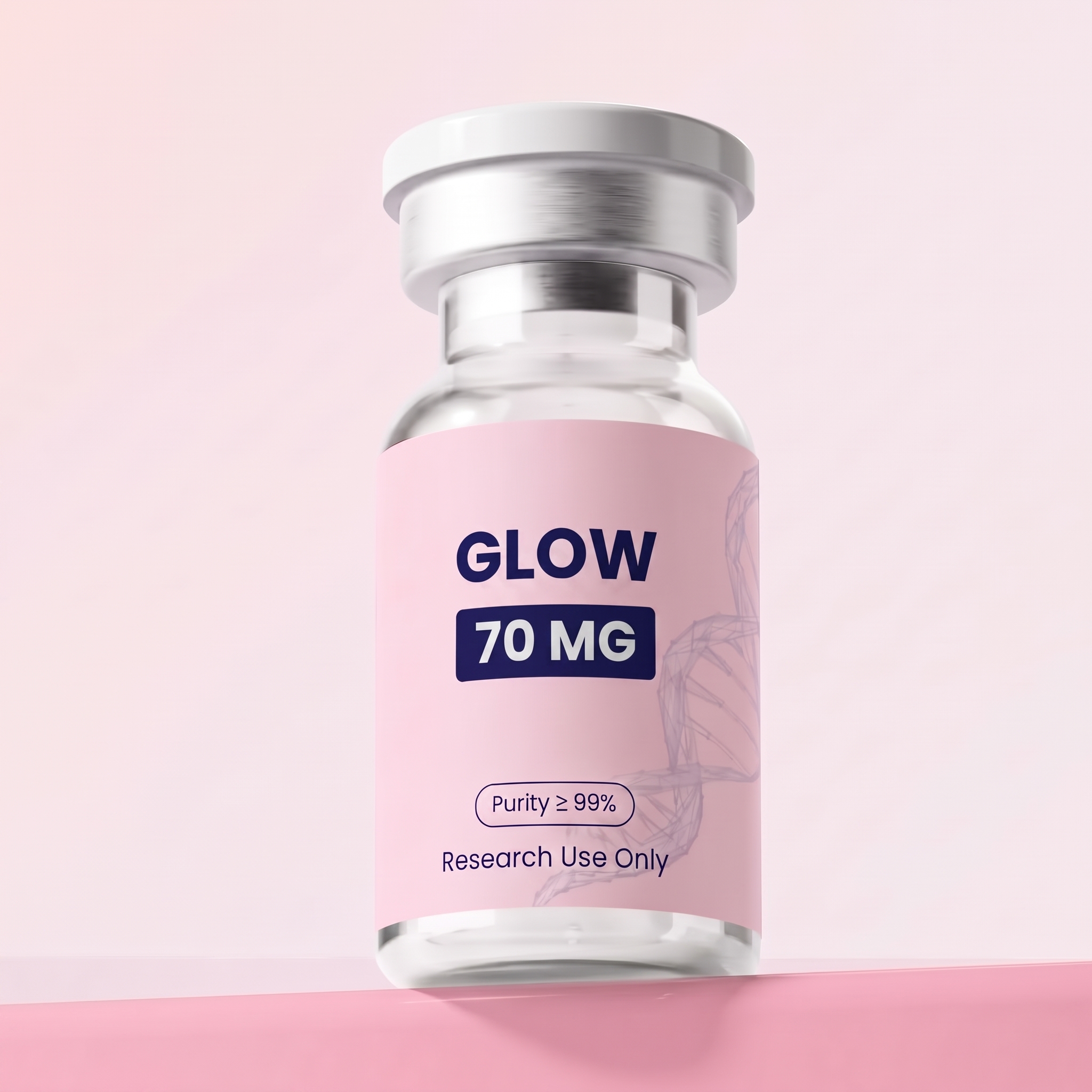
Ask five vendors what's in GLOW and you'll mostly get the same answer: GHK-Cu , BPC-157 and TB-500 in one vial. That's the whole formula. The name is a marketing label, not a pharmacological category, and the pitch is simple: a skin peptide plus two repair peptides, sold as a two-in-one. We pull GLOW listings from different vendors into one place, with vial size, price, shipping and COA links.
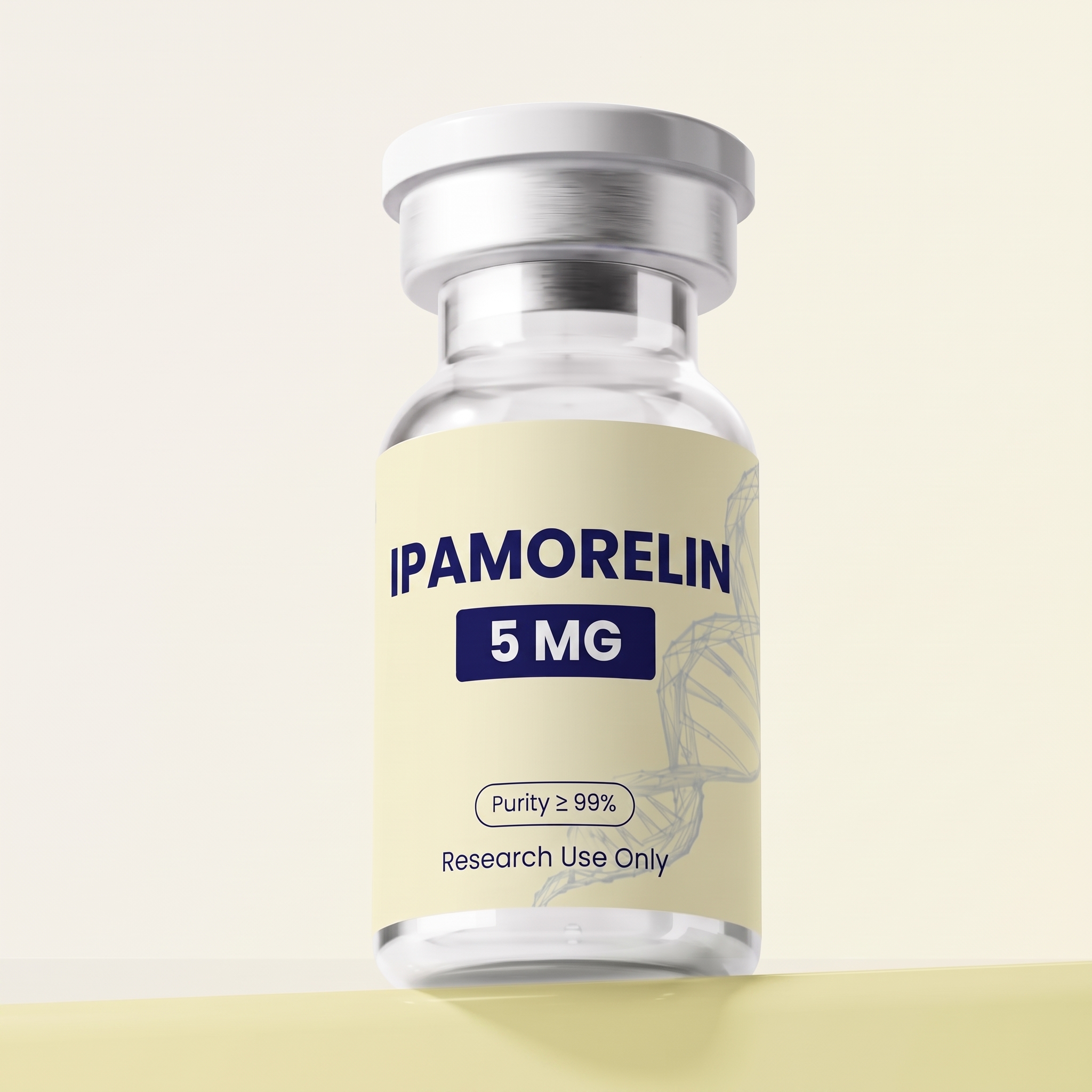
Ipamorelin is a five-amino-acid peptide that switches on the ghrelin receptor and makes the pituitary release growth hormone. Novo Nordisk researchers built it in the 1990s, and what made it interesting was how narrow its effect looked. Older compounds in the same family pushed up other hormones too. Ipamorelin mostly didn't. It has no approved use anywhere. A Phase 2 trial in the early 2000s tried it for a bowel problem after surgery, and it didn't work well enough to continue. So what's left is mostly lab and animal data, and the research-labeled vials that vendors sell. On Peptide Grading , we list those vials with vendors, sizes, price per mg, and COA documents in one place, so you can compare them without hunting through tabs.
Kisspeptin-10 is the shortest active form of kisspeptin, a hormone made from the KISS1 gene that switches on the brain's reproductive hormone axis. It acts on the kisspeptin receptor (KISS1R) to trigger GnRH release, which in turn raises LH and FSH.
Ordered GHK-CU. Shipping was incredibly fast, though our research facility failed to order BAC Water and as a result, we had to place a second order. Don’t make the same mistake as our office manager, it’s not great for the books. The product seems to be working well. For research purposes, it is believed that coffee enemas and GHK-CU work well together.
Audrey Bowden · US · Nov 8, 2026
10/10
Customer Support was very responsive and helpful before I placed my order. Order arrived one day early and everything was there.
Austin · US · Nov 7, 2026
a complete lack of customer service. WOW
I place my first two orders on 10/18, one was for the membership then I place a second one for more product. I received notification for both orders being made, and I recieved the second order, but still have not received my membership order. I have emailed 7-8 times 2xs I got a reply they would look into never heard back. I replied to their emails several times and have heard nothing back. They have no phone number so I am stuck. I have stayed hopeful, but I think I will have to cancel through my CC, very disapointing
Janelle prescher · US · Nov 5, 2026
Full on scam
Full on scam Tracking clearly indicates that the package of peptides was delivered back to sender. Kyle is asking me to ask around to my neighbors to see if it was delived. My mailing address is a UPS box. Every package has to be signed for. Do not use this company. Complete scam
Storm Ireland · US · Nov 5, 2026
good product easy to use
good product
Andrea Manriquez · MX · Nov 4, 2026
Great Communication and Professional Team
I had a positive experience working with the KYLO team. Communication was friendly and professional, and the team was responsive and helpful throughout the collaboration. They provided clear information and were always polite and supportive. I appreciate their communication and the opportunity to work together.
Nino Gazashvili · GE · Nov 3, 2026
Reviews of Kylo Peptides from Trustpilot, imported Nov 9, 2026.
Ready to order from Kylo Peptides?
Compare prices above, then shop on the vendor's site.
 Peptide Grading